


|
|
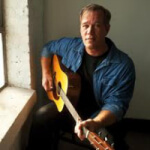
William Dillon is a man who served 28 years of a life sentence for a murder he...

Michael Semanchik is the Executive Director of The Innocence Center (TIC), a formidable national legal institution dedicated...
| Published: | January 13, 2026 |
| Podcast: | For The Innocent |
| Category: | Access to Justice , True Crime |
We trust the justice system to protect the innocent and prosecute the guilty, but what happens when it gets things catastrophically wrong? In 1981, 21-year-old William Michael Dillon became the focus of a murder investigation in Canova Beach, Florida. Though Dillon maintained his innocence, police coercion and unreliable witnesses rapidly steered the case toward what appeared to be a predetermined outcome. Dillon was arrested, convicted, and sent to prison for a crime he did not commit.
More than 27 years later, DNA testing finally proved his innocence and set him free. In this episode, Dillon explains how he was swept into the murder investigation, how coercive interrogations and untrustworthy testimony shaped the verdict—and how his love of music helped him survive the darkest years of his incarceration.
Be sure to read the full account of Dillon’s story in FRAMED, written by his wife, Ellen Moscovitz. And, listen to his album on YouTube: Black Robes and Lawyers.
Michael Semanchick:
What happens when you do everything you’re told to do? Tell the truth, cooperate with police, trust the system, and it still destroys your life. Today on For The Innocent, we hear from William Michael Dillon, who was just 21 years old when he was arrested for a murder he did not commit. You might recognize Bill’s name as the artist behind Chasing a Dream, the theme song for this podcast. Based on coerced interrogations, unreliable witnesses, and junk forensic practices, William was convicted and sent to one of the most violent prisons in Florida, where he spent more than 27 years maintaining his innocence. In this conversation, William walks us through the moment his life changed, the investigation that went off the rails, how music helped him survive decades behind bars, and how DNA evidence and the work of the Innocence Project of Florida finally proved what he had been saying all along.
They had the wrong man. This is a story about wrongful conviction, but it’s also about resilience, creativity, and what it takes to hold onto your humanity when the system takes everything else. I’m Michael Semanchick, executive director of the Innocent Center, and you’re listening to William Michael Dillon on For the Innocent.
Music:
Spend most of my life in prison. Chasing our dream. Call Justice. Chasing our dream. Chasing a dream. Want somebody please? Hear my pee. Want somebody please get me free?
William Michael Dillon:
Hi, my name is William Michael Dillon. I was arrested for murder on August 25th, 1981, for a crime that I did not commit. I was released November 18th of 2008 as a free man exonerated through DNA testing. My stepfather was in the military. My mother was doing pretty good. She was from Liverpool. She’s an English woman. My brothers were young and they’re my stepbrothers and they were five years younger than me. So it was basically, they were still in their later teens and they were enjoying life and family was good. Everything was pretty good. I was the black sheep kid, not the bad black sheep kid, but just the black sheep because I was older than them. We were living in a place called Satellite Beach, Florida. At the time, it was the beach life. I mean, do you know the beach life? If you’ve been on the coast at all living anywhere in your life, you know the beach life.
Surfing, fishing, swimming, anything you can think of to do with the water. I really thought that baseball was going to be my dream. I was a really good pitcher. Not as good as some these days, but I was a really good pitcher. 21 years old, I was about the girls too. I was chasing the girls all over and that kind of thing. But I thought baseball was my dream. I really did. I’d been practicing my whole life for it. I really thought it was going to be my dream and it was swept away. My brother was driving a car. His Monte Carlo, he was driving and he pulled me into the beach area where a murdered happened like four or five days ago. There was no tape or nothing up, but he’s pulling in, telling me about it and we’re looking at the waves and just checking everything out.
It was a place called Canova Beach. He pulls me in there and we’re just chatting it up, doing whatever. Next thing you know, there was a one man and a woman in civilian clothes come up to the car. It’s a teetop Monte Carlo, so it’s wide open. And of course, we were sitting there burning one, so it wasn’t a good idea to. So I took it and palmed it in my hand and put it out when they said, “We’re Sheriff’s Department investigating a murder.” And from there, I just started, I guess, trembling a little bit. It wasn’t bad, but I could feel it like that, knowing I was in a bad situation thinking that that was going to be a problem. And I said, “Well, I didn’t know anything about it. I wasn’t here. I don’t know anything about it. ” I answered their questions as best I could, which was crap.
And then they told me to get out of the car and they took my picture. I was a big kid. I was tall and no joke. I was very athletic. And I had long hair, of course. They took my picture, said, “Would I come down to the Sheriff’s Department for questioning?” I said, “No, I don’t know anything. I can’t help you. I wasn’t involved in this in no way, shape or form. I can’t help you. ” They said, “Well, how about coming in tomorrow?” So I saw them out there and I said, “Yeah, sure. I’ll stop by tomorrow knowing damn well I ain’t coming.” I wasn’t involved and I’m not getting involved if I can help it, seriously. And that was my out and I took it. But it was also a reason for them to think I was a suspect. When you say suspect, by me not coming back to their police questioning, they’re saying that I made myself a suspect by not coming back.
And a couple days passed and next thing I know, they come to the beach down where I live with my parents. They’re telling my brother who’s at the beach that they’re looking for me. So I show up and my brother tells me, because there’s no phones back in the days, we didn’t have it. So I go across the street to the restaurant and I call them on the phone and say, “My name is such and such. I heard you’re looking for me. ” I don’t have anything to worry about. I don’t care. It’s not like I’m Johnny Law on the run. I would’ve took off if I had any issues. I called them and said, “Hey, why are you coming to my little brother telling them, making him worried?” So next thing I know, these cops came and cherry’s blazing all around the parking lot, picked me up and took me with this lady.
She was a detective. She was one of the detectives. Well, they gave me a choice on who to ride with. I rode with the lady, took me to the police station on the beach and asked me a bunch of questions about the murder and all that stuff. And I answered them as best I could. I don’t know anything about it, so I don’t really know what to do. Where were you? What were you doing? I said, “Well, it was 10 days ago. I don’t really know what the hell I was doing where I was at. I can tell you I’m here, here, here.” So I know one it was and I wasn’t killing that person, that’s for sure. And that’s what I told them too. I says, “Well, I don’t know exactly where I was, but I know I wasn’t killing anybody.” And basically they questioned me.
And then one thing they had me do, they had me sign a paper, giving up something. And I signed the paper and then they said, “We don’t need it anymore. Just water it up and throw it in this trash can. ” So I watered it up and I called my mom. My mom’s screaming, telling them I’m crying, telling them, “What are you doing?” I said, “I ain’t doing nothing.” I said, “I didn’t do anything.” My mom’s, she’s loyal to the police. She believes in everything they do. Why would they pick on you and all that? I said, “Well, I don’t know. Are you smoking that weed?” And I said, “Yeah, well, whatever.” 10 degree, but my mom’s worried. She’s stressed out. I can understand it, but I had her come pick me up. And next thing you know, that night, they come back and get me about 10:30 at night.
My dad answers the door and he asked me, he says, “Son, do you want to go with him?” I said, “Dad, I don’t have anything to worry about. I didn’t do anything wrong. I can’t help him. I wasn’t involved in this in any way, shape or form. I don’t have anything to hide. And the truth’s the truth. They can’t prove I did something I didn’t do. ” So he says, “You sure?” I said, “Yeah, I’m sure. I’ll go with them. I don’t have a problem. I’ll be back.” Well, they took me to the courthouse on the mainland because remember we’re talking about beach. It’s an island off the beach. It’s just a long strip of land. They parked way in the back and it’s dark. It’s 10:30 at night now. They parked way in the back and both of them got out. Both of them got out of the car.
It was two detectives. They both got out of the car. They didn’t say anything to me either. They just got out of the car and closed the door. And I can’t get out. There’s no handles on the door. I can’t get out. If I want to get out, I can’t get out. So they just left me there. After a while, it was a good while. It wasn’t just a minute or so. It was a good while. I see the shadow coming from me from a side door. It’s coming at me and it walks over to me and opens the door and says, “Come with me. ” So I came with him. I’m following him. He ain’t saying nothing, and I ain’t saying nothing. I’m thinking they’re going to kill me. I honestly think they’re trying to kill me because this is weird. I’m coming here for questioning.
This is weird. They made me wait. I’m in the pitch dark. And it’s funny because the same two people are gone that took me there and now it’s another guy. So I’m very nervous. I’m very upset. And I walked with him up to the courthouse across the parking lot, which it was a good distance. It wasn’t just a little ways. It wasn’t right outside the door. And it’s funny that threw me off right up from the gate. So I go in, it’s just a small little hallway. He starts to take me down the left corridor down here. And he turned into this one room that was about midway down this hallway. As he opens the door, there’s a small desk there, old desk. And then all the way in the room, there’s a big chair. And there’s another door inside the room, but it has like a mirror door on it.
It’s like a glass mirror door. So he opens the door and we walk in and he tells me, sit in the chair. But he says, “Before you do that, ” he says, he moved the chair. He goes over to the chair and moves it and angles it towards the door, towards the door we’re coming in because it was squared up against the wall. He moves it and angles it to where it faces the door. And then he says, “Step in. ” So I stepped into the door. He closes the door that we came in and he tells me to look straight at the wall. I’m looking at the chair now that he just moved. He tells me to look straight at the wall and grab my right hand and take my hair and pull it all the way over to the right and hold it up.
And just for references, there was a sketch given of the man that committed the crime and the sketch was a man with short hair and a beard, no, a mustache. I’d never had a mustache in my life. And it was short hair and a mustache, a brown, dark medium-like mustache. But anyway, he tells me with the right hand to take my hair and hold it to the right while I’m looking at the wall. Okay. He tells me to stay there for a second. Okay. He says, “Okay.” He says, “Now sit down.” I sat down in the chair. I’m sitting there first time and I tell him, I said, “I need to go to the bathroom. So we’ll get up.” And I go in there and go to the bathroom. We come back out and we go back into the room and not more than maybe a minute I was sitting there, the door flings open and there’s a big German shepherd in the door and a guy steps in behind the German Shepherd and says, “How does it feel to be tracked by harass too?” I said, “Track for what?
” “I haven’t done anything. “”How can harass too be tracking me and I haven’t done anything?” “Oh, you’ll see. You’ll see. “From there, we went to where all the detectives were and they started questioning me in this big bullpen, three or four of them. “Yeah, we know you did it. ” I said, “I didn’t do nothing.” “Oh yes, you did. “I said,” You got the wrong person. I’m not the guy. You got the wrong person. No if and buts about it. You definitely got the wrong person. “And I just kept letting them know. And they said,” Well, we know you’re the one that did it. We got you. “And sure enough, they started to talking about, ” Yeah, we know you did it and just talking crap and telling me I was this and that there. And yeah, just confess, man, just a gay guy.
It was just a gay guy and you get five years. We’ll give you five years. You only do two. Come on, be straight up. “And I said,” Well, I didn’t do anything. And as a matter of fact, I got sheriff, what’s the name that’ll vouch for me? “”Well, they called Sheriff Bird in and he didn’t vouch for me. He told me to do they got you, Bill. Go ahead and confess.” I said, “No, I’m not confessing to something I didn’t do. I just ain’t doing it. ” They said, “Well, we’re offering you five years you’ll do too. Never had a conviction of any kind.” He said, “You might not even do two years. We’ll do manslaughter and you’d be home free, gone.” And I said, “Yeah, well, I didn’t do it, so I ain’t confessing to it. ” What they did, they questioned me, questioned me all night long, all night and early morning.
Said, “We take a lie detector test.” I said, “Sure will. I believe in it. I don’t know if it’s any good or not. I believe in it. I believe in a lie detector, especially I’m telling the truth, so I don’t have to hide anything.” They couldn’t bring the light detector in at that time. Remember, it was late at night. They picked me up at 10:30. So it was like early morning hours when they finally decided they were going to bring in a lie detector, but I wasn’t under arrest at that point. And they says, “We can’t let you go, but we’re not going to lock the cell. We’re just going to leave the cell door unlocked.” So I went in the cell and just laid down and went to sleep. And in the morning they brought me this hamburger that had been probably sitting there all night and this Coke that tasted like medicine.
It seemed funny to me. So I took one sip, that was it. I took one bite of the burger. That was it. He told me to go upstairs and I went upstairs with them and I did my lie detector. The guy says, “Well, you’re lying.” I said, “No, I’m not lying, buddy. I didn’t have nothing to do with this. Something’s wrong somewhere.” “Oh, everybody’s wrong but you. “I said,” No, no. There ain’t no everybody wrong. “I said,” This is just wrong. This ain’t working. First of all, I’m hungry, tired, stressed out with all this here. So I don’t believe this is all legit. “And he said,” Well, yeah, it’s good news.You’re guilty. We got you. “I said,” You got the wrong guy, buddy. You’ve got the wrong guy. “And I just kept repeating it and come to find out, I guess I wasn’t lying. They were just jiving me, but they ended up arresting me.
“How am I going to fail a lie detector test when I really didn’t do the crime? It’s impossible to fail unless there’s something wrong with their system. I didn’t commit the crime, so there’s no way possible that that machine can say I lied because I’m not, unless there’s something wrong with the machine.
The paper that I wadded up was used for the harass to track me. There was a shirt left at the crime scene left with the driver that picked up the killer on the side of the road. And just to clarify that, the victim was killed in a beach parking area. It’s an overlook and to the right is woods and to the left is woods. So the victim was killed in the right wooded area where it’s very thick and dense. The man that had the shirt was parked there that night. He pulled out and went up on the highway, saw the killer come by him coming up the steps from the beach. He didn’t know it was a killer, but he saw the guy come up the steps carrying the shirt in his hands and he walked by him and the guy goes to the highway.
Well, the guy pulls out in his truck, he pulls out, goes up to the highway, and the guy sticks his thumb out, and he stops and picks him up, and he realizes he has blood on him. That guy, they didn’t know it at the time, but his name is Paul. He’s one of the killers, and he leaves the shirt in the guy’s truck. The next day, the guy cleans out his truck and throws it in the trash and wipes his truck completely down. And in wiping his truck completely down, he wipes away all the prints, all the stuff, throws the shirt that’s left in his truck in the trash. Then later on, he hears about the crime, calls the detectives and says,” I picked up a guy right there on the street, and he left this yellow surface shirt and he had blood on him.
“”Where’s that shirt at? It’s right here.” So they go and get the shirt out of the trash can. And that’s how they got the yellow surface t-shirt. The killer left it there. The killer dropped it in his truck. They tried to say it was mine by having witnesses say that they saw me in the shirt. Now, the problem here is perspective of visual, which I owned a yellow Pelican T-shirt, which I might have or might not have been wearing at the time and that time. Remember, it was 10 or longer days before they talked to anybody about seeing me in it, okay? But I don’t know if I was wearing it. I owned one. Yes. It’s a good possibility I probably was because I frequented the bar that was across the street from the murder. So they have people in the bar, the bar maid for one, saying that, yes, I was there that night wearing that shirt and that I didn’t have any money supposedly.
So they have the barmaid saying this. Now, we’re not enemies of any kind. I can’t understand why she would do that to any degree. I couldn’t tell you in my life why she came up with whatever. And you know a bartender, but you don’t know a bartender. I’m not in there every moment of the day where we have a social interaction with her. I guess it’s just a facial thing. So anyway, her and a few others, like the bouncers, mentioned that I was there and they saw me in the shirt and saw me walk across the street. And then there was a girl who I happened to help named Donna Parrish. I didn’t know her that well. I only knew her about a week, week, maybe two before that. And it was an on and off thing. It wasn’t everyday motion, whatever. It was an on and off thing.
I met her at the bar mostly. And sometimes I did go pick her up. She’d call me or I’d call her or something from a payphone. She also was there supposedly. She said that she saw me walking across the street. She says she goes over there and by the time she gets over there, she sees me standing over the body. I guess she goes back and doesn’t tell anybody at this time, but this is her testimony now. It comes up that she doesn’t see any blood or anything like that there, but she sees me putting my pants back on or shorts back on. I’m not sure what it was, but she sees me putting something back on. Then she just goes back to the bar. And when I come back to the bar, I’m sweaty, but I have money now. I’m back at the bar now buying drinks for everybody and I have money now.
She didn’t think anything of it at the time. She didn’t tell anybody and she just enjoyed her drinks and white Russians and everything like that there, but didn’t tell anybody. But the reality was that was their ploy was to get people to put me in the shirt, the yellow surface shirt that I never owned, but what can I say?
There was also a Roger Dale Chapman. Yeah, he was in the county jail for sexual battery on a 16-year-old girl. He says that I confessed to him that night when I came on television. They all saw me come on television. I’m in a cell block that’s supposed to have 30 people and it’s got about 50 and everybody’s jam packed in there and I come up on the news as a suspect for this murder. Roger Dale Chapman’s in there. He’s not talking to me or saying anything to me. Only thing I know is a black guy was talking to me. It wasn’t anything to do with that. He saw me come up on the TV screen. He said, “Damn, man.” I said, “Man, I didn’t do it. ” I didn’t know Roger Dale Chapman was even in that cell. He never said hi and bye or whatever that I can remember.
And the next morning, they come and get me out early, like six o’clock in the morning. They’d come and take me out of there. So I think they’re letting me go. Well, they finally found out I’m not the guy. Nope. They took me and put me in a single cell, a single cell by myself. And I don’t know anything about it for days. And then finally my lawyer finally comes. He says to me, “Well, the man says you confessed to him in the cell.” I said, “Confess to him about what? ” The reality of this was that Roger Dale Chapman said that I confessed to him about committing the crime, that I beat him to death, rolled around on the ground with him, all kinds of stuff. The reality was that he was lying and that he got the charges against him dropped, and he came to my trial and testified that I confessed to him about committing the crime.
He said he got no deal and they said they were going to drop the charges against him anyway.
The day in court when I got convicted was a traumatic day, of course. I’ve just been convicted of a crime I didn’t commit, but the reality was it’s also broken a young soul that believed in the system. I really believed in the system greatly. I’ve been saying the whole time that they’re going to find us, they’re going to know that I didn’t do it regardless of whatever. And he, she said, and all they said and this, that, and that said. And I’m going to testify. I’m going to tell them exactly what it is. I wasn’t involved in whatever, but it took me and destroyed what I believed in as far as the reality of justice and the real life. I figured the police will be dirty and they’ll arrest you and they’ll do whatever, but the court system themselves, they’re set up and designed to protect us, to make sure that the wrong people don’t get convicted.
So that day I ruined me completely. I knew that day was, it would all been false of what I believed in my whole life. But it was a sad time. It was a very sad time. I was just sort of numb to it all. I realized that it was nobody believed me and nobody cared at any cost. Even my parents thought I might’ve been guilty of the crime. Prison initially was very rough for me. I had a terrible time. I’d never been in prison before, never been in jail before. I was in a bad way. I was athletically healthy, but at the same time, one thing I wasn’t was a coward. See, that was the problem with … Everything to them was just go and lock in and spend the rest of your life in a single cell. And I just wasn’t a coward. I wasn’t going to do it.
So I had a tough time. I don’t care how tough you think you are. When they come five or six deep, it’s over. Remember, I went to Florida State Prison. At the time it was the fifth worst than the nation. And they sent me there unbeknownst to me saying I was a serious threat. I’d killed with my hands. So they sent me to the Florida State Prison and I’d never been in prison before. And they sent me straight to Florida State Prison. Now, Florida State Prison in Florida is what they call the last stop. I have a bunch of prisons in Florida, and they have a lot of murderers in Florida and all kinds of different prisons. You send a kid that’s 21, just turned 22 to Florida State Prison, never been in prison before. What are you going to get? You’re going to get a kid that’s destroyed, or they thought they were, but see, here’s the key.
I wasn’t going to let it happen, regardless of what it … I was going to keep everything. My mental status, my physical status, everything, I was going to keep it. I don’t care.
Music for me was, and has been my whole life, is a source of quietness and passion. It’s a place for me to let out my artistic side. It’s a place for me to show that I’m worthy, that I have value, that I am possible. That’s where I see music. And it’s also a statement. Like when you’re a singer and you sing or you write, you’re a poet and you write and you write about the things that bother you or the things that try to destroy you, the things that make your life miserable or the things that make your life happy and fantastic. It’s an emotion sense of, I guess you could say, making something happen when you have nothing. So you have nothing, but yet you’re achieving things. You write a song, you write a poem, you play guitar, you learn how to play, you’re progressing, you’re achieving something.
It’s a beautiful sense. And maybe you’re the only one that likes it. You probably can’t sing a bit, but maybe the only one liked it. But at the same time, just the powerful blessings of feeling that emotion. That’s another thing too, is I was in Maximum Security every day. So my stuff was limited on what I could do and what I couldn’t do. And learning to play the guitar and music and writing and hearing my little clear radio and just listening to the musics and different sounds and stuff, it was a lifesaver to me. I mean, that probably kept me from killing myself, I think.
In prison, you don’t get access to too many instruments unless you get somebody to donate some stuff. And at certain institutions like Avon Park, we happen to have somebody that’s an older guy that’s, he’s a civilian, but he works in the athletic department and he saw a little bit of sense in having like musical equipment and band and stuff. And even though it was maximum security, it was still of a lower grade of custody. It was still something that he saw a way for guys to put their energy into and that it was a possibility of having a nice music program because you got the brothers and you got the Latinos and you got the white guys and everybody has a different kind of music. And on a certain holiday, you can get them all out there and they’re all playing their certain little music.
And it’s a pretty cool thing. You have to see it to believe it. It’s amazing. I mean, it is absolutely amazing. You got to have that kind of person that believes in people, that’s civilian that runs it, because the officers, they’re not going to do it. They’re just not going to do it. The reality is that once they get those programs, the institutions seem to do a little bit better. The key is it doesn’t take a whole lot of people. You can’t involve a whole lot of people into that kind of music system. Remember, it’s only … Unless you get donated like seven Palmer acoustic guitars from some guys that know how to play and they donate these cheaper acoustic guitars that guys can learn on. So you have a program, which I helped set up a program in Avon Park to teach guys how to play guitar.
I learned in prison off of a guy named Mike Nighinghale. He was amazing guy and he could play really well and he was just good. In teaching, you have to be patient. So I did a lot of things. There wasn’t a lot of books. There wasn’t any computers or anything like that there. So I had to learn by word of mouth and visual. I had to watch visually and look and learn. And what they have is like a class. You can check out these acoustic guitars and once you’ve completed the class, then you can take the guitars out in this little area and sit down and practice yourself and play. They also had them at Hardy. Hardy was where I got my release, where I got my DNA testing. And Leonard Skynyrd had donated some equipment there. We’d written to them to send in some equipment there.
I was in charge of the band room at Hardy, and I was pretty adept at that point as far as just playing and knowing things. And I played bass and I played a little bit of keyboards and stuff, plus I was responsible. You had to be responsible or it wouldn’t work. They just destroy the program and sell all the stuff and throw it all away and trash it and you just won’t have a program no more. They’ll turn the building into a clean center, put all kind of cleaning supplies in it and you check them out through there. So the band room was a band room. It was a place where you could come together, you’d have a certain amount of time every day, or you could check out acoustic guitars every day and go into this little area and play your guitar. That’s how it worked.
But if you brought back a guitar that didn’t have a string on it, because guitar strings were tattoo needles. So if you brought back a guitar that didn’t have a string on it, then they would either lock you up or they’d shut down the program. The first song I wrote in prison was Black Robes and Lawyers. I wrote that on toilet paper. They had come in and hosed us down with the fire hoses in the cells and locked us down. We were in lockdown. I think it was after the electrocution of a certain guy. I think it was Sullivan or they locked us down. They hosed us down because we were all raising hell, I guess. I wasn’t, but the unit, everything you do in prison is a wee thing. It’s not a I thing. When you have a problem, they’ll say, “Well, you should have stopped him.
Now you’re all going to pay for it. ” So it’s a we thing. Anyway, it hose us down. They got everything all wet and everything soaked, my transcripts, everything. I started writing black robes and lawyers on toilet paper all the way down. And I didn’t write it as a song. It wasn’t a song. It was a statement. It was a poem. It was my thing that nobody was ever going to read and certainly wasn’t going to be a song and it certainly wasn’t going to be in the free world because I never thought I was going to ever get there. I thought I’d been defeated. It was a statement of the facts of what’s taking place and that nobody sees us and nobody hears us in any way, shape or form. In reading it, every time I read it, I felt better in reading it.
It didn’t make me angry. It didn’t make me sad. It gave me hope in a sense that at least I’m trying to do something in a place where I can’t do nothing.
A man approaches me in the Law Law Library, an old guy. He’s about four feet tall, maybe a little bit taller, four feet something. And he says, “Bill, I know you’ve been in prison a long time.” He says, “Have you ever had a DNA test?” I said, “No, I haven’t.” “What is it? “He says,” It’s just a test where they take tests from you and they test your evidence and see if you match. “I said,” No, I’ve never had anything like that. “He says,” Well, here, I want you to take this and I want you to file this. I want you to file it to the Sheriff Department of Brevard County. If they ask you where the evidence was, just tell them it’s in the courthouse. “It’s strange, but that’s exactly what he told me. I remember it to this day. I did that. I took that paper, filled it out.
It was tough because I’d been working my case all through the years, but I hadn’t done it. It’d been paralegal. I had never done anything because I didn’t know how to do it. I honestly did not know how to do it. I’m not saying I couldn’t do it, but I’m just saying that I didn’t know how to do it. So I take this paper and now I don’t have anybody now at this point to do it. So I do it myself. I take this paper and I look at it and I start going through it and I answer the questions as best I can. I remember most of what’s going on and everything, and I explained to them just in my general terms of what’s taking place, the case and everything, how it worked out. And I put it down in my words. I send it in.
They come back and say,” We’re granting you DNA testing. “They take me to the Brevard County Jail. They put me in front of the judge and say,” Mr. Dillon, do you deserve DNA testing? “I said,” I sure do. “I said,” I have some evidence that needs to be DNA tested. It’s a surface t-shirt. They’re saying it’s mine. I’m saying it ain’t, and they’re saying it has blood of the victim on it. They send me back to Polk County and I get a call out and Melissa Montel and somebody else are there at the place with John Torres from the Florida today and they’re both asking me about checking my DNA and prospects of my case. It just started from there. It was just amazing at that point. Again, I’m still not believing in it yet because it’s still unbeatable against me. It’s hard. It’s hard to get a person to believe in you when you’re innocent.
It’s just hard, especially behind bars already. You’re already in prison. You can’t get people to believe you at this point. It’s just impossible. I mean, just the perspective, looking at it just like saying, how am I going to believe in you? You’re already in prison already. It’s not like you’re going to prison or you’re getting ready, you’re in trial, or you’re out here talking, you’re already in jail. They got you. If you read my transcripts, you would’ve thought I was guilty too. I mean, it’s just the way they did it. I mean, it’s so sad. I read them transcripts thousands of times. Every time I read them, I never saw innocence in there. It was like all guilty. And I knew damn well I hadn’t committed any crime at all, but all I could see was guilty. It’s truly sad how we can do that in America.
It’s just truly sad. I mean, I’m the one and I think myself is guilty. I’m thinking, “Damn, did I do this and I don’t know what I did? Am I crazy?” I filed in June 2006, I filed the initial DNA testing. So it took a year to process to get me to the DNA testing. So the DNA testing is supposed to happen in July of 2007. The DNA test comes back and they take me to the room, into my classification officer’s office and they call me on the phone and say, “Bill, we just want to tell you that the DNA results have come back and that you have no markers in the DNA at all. We do have a suspect and the markers of the DNA, so we just want to let you know that you have no markers involved in the DNA at all.
” And if anybody knows anything about DNA, you know that there’s a possibility of at least being one or two markers in there. Even though you may not be guilty of it, you may have genetic of something to do with a white person, black person, Latino, whatever. But there was no markers involved, so they knew that there was no way I was involved in that t-shirt. And the t-shirt being DNA checked around the collar for the wear and whatever and stuff. But they did verify that the blood was the victim’s blood. So the shirt was involved in the crime scene. And it come to find out that it’s actually a 17-year-old kid and it happens to be four 17-year-old kids involved in the crime, four 17-year-old kids and one of them confessed. The others denied it. One confessed that they smoked a joint on the beach and him and the guys that owned the shirt went up to the top of the hill and they were having sex.
And the guys came back up there and saw him and started laughing and kikieing him. And the guy that owned the shirt, actually owned the surface shirt, started kicking and punching him and stuff like that. And then they all just dived in and started kicking and punching and they ended up killing him, but they didn’t know they were going to kill him, so they were going to charge them with manslaughter. I got the DNA results in July 2008. They come back and said that it seems that the detectives in my case have found a girl that said she gave me the shirt. She was a surfer girl and she said that she gave me that shirt on the night of the murder. Then this is 25 years later and she said she gave me the shirt. She remembers it distinctly giving me the shirt. And come to find out she was on probation, she violated, and now she’s saying that she gave me that surface shirt 26 years later.
They also said that I didn’t take the DNA test in the prison, that somebody took the DNA test for me. So what happened was they throwed some more shade on the fact of my release through that DNA because they’re saying that the girl positively identifies me as her giving me that shirt the night the murder happened. So I was in possession of the shirt by this girl and the DNA that I took wasn’t mine. It was somebody else’s that I said I would give half my compensation to that this guy testifies to that he did for me, but yet you know as well as I do, I took that and signed my name. They signed their names on that DNA seal that up right in front of me. The dog handler had been called into question on many cases, Arizona cases. He was a state trooper out of Pennsylvania.
He was a big fraud, just a big fraud, making plenty of money in Florida on many cases, but still Florida still holds onto his cases, but Arizona has dropped all his cases. They have overturned all his cases and Florida should too. They better wake up. They don’t care. They don’t seem to care. They seem to just stick with their guns and we’ll ride with it. But it’s just a joke. So I ended up getting out November 18th, 2008. I’m released. I walked out of there like I was on Cloud nine. Oh my gosh, it was amazing. You just don’t know. I mean, I waited and waited for hours, never thinking it was going to happen. They were going to find a way to just turn this around and stuff. And I’d been basically defeated this whole process. So you can’t imagine I saw anything worth really looking at it.
It just wasn’t going to happen. I saw defeat everywhere. It just wasn’t happening. I still had spirit, but at the same time, I just didn’t want to believe in a system that was just failed, that failed me and I realized they could fail me at any corner. I mean, they know they’re dead wrong. They know they did it wrong, but yet they’re still making up stuff to try to convict me of a crime they knew I didn’t do. And that to me says it all. It just says it all. They continue to keep trying it, not just doing it at the trial, but after. This is 26 years, 27 years later, they’re still trying to do it. So that tells you it’s not about wrongful conviction. It’s about continually staying with what they’re doing wrong. They don’t care. Point being is that was a heck of a day.
The day I was released was one beautiful day. I felt like I was floating down the steps. When I talked to all the people, I have photos and videos of it and stuff, and it was such an amazing day. I felt like God was just taking me and lifting me and just floating me down the steps and just saying, “Okay, well, here you go. This is you. Now do what you will with it. ” And I went down those steps and I haven’t looked back since. I’m telling you, it was beautiful. It was really beautiful. And so many people worked at that time. We talked about it was only me and when Melissa came and John Torres came. But at that time, there was so many people involved in it at that point. It was just amazing. There were just so many amazing people. Seth Miller, all of the Florida Innocent Project, everybody.
It was amazing and so many other people, but there was a lot of well wishers and just people, just beautiful people. It was just great. It was really great. One of the best days of my life. Life for me when I got back into society was slow. I was still irritated at the fact that I couldn’t feel like I’d been exonerated. I kept feeling like people were looking at me like I committed the crime and I’d walked free and I’d escaped somehow through the paperwork of the prison system or something. I got to see my mom and she got to see me innocent before she passed. She told me, she says, “A terrible burden has been lifted from my shoulders.” And I says, “Yeah.” And I didn’t reiterate to go into it, but it was more of her … She thought that maybe I was guilty of the crime at the time.
She tells my brother and sisters he’s made his bed, but I got to see her and she got to see me innocent before she passed and that was good. I was happy with that. I’m living life. I’m having fun. I’m trying to do what I couldn’t do. I lost all my 20s, 30s, and 40s, so I’m just trying to live. I’m just trying to do things that I haven’t done before. But deep inside, I’m realizing that I’m having issues. Plus, I’m fighting for compensation at this time too, to be compensated for my troubles. And that in itself was a journey. That was another journey of certain things that people aren’t doing right. It ended up, I got that, and it worked out to that way, but still to the point that it’s like making sausage. It’s not a good sight. None of it. I carried my writings to the outside and made music out of them.
The basic Sense … I had a few songs that I, of course, I’d written on guitar and I was out there playing and stuff like that, but I took certain songs and said that one of the main things I wanted to do was create an album, or in this case, when I got out, it was CDs. It wasn’t albums anymore. It’s albums again now, but it was CDs back then when I got out. I went in, it was eight tracks and cassettes. When I got out, it was CDs. But yeah, I wanted to make myself a CD, which I did. I made a CD called Black Robes and Lawyers. My wife wrote a book called Framed, which is fantastic. If you haven’t had the chance to read it, you’ve got to read it. It is amazing. She tells the story way better than I do and it’s amazing.
She got all the particular information down. She knows what she’s doing and she worked hard on it. It actually took 10 years to write it because there’s a lot of fear of retaliatories, I guess you could say. The people are not nice, but it’s very good. And my music just feels the world. And I’ve taken that to another level now. Some of the other songs I never put out. I don’t know if you guys have ever experienced it, but I’m using AI now. I’m taking my songs and putting them in AI and it’s absolutely amazing. It’s like me when I first got out and playing the games that the kids were playing. And I said, “I know why these kids don’t do anything all day. You get stuck here.” Well, the same thing for me. I have all these written songs and I don’t feel well enough to actually play the guitar.
So I put them in AI and gosh, they pump out this song or this Grammy award-winning singer and the band is like the best band you could get. And it’s amazing. Absolutely amazing. I love it. I love technology.
The exoneree band came into being from Cincinnati and I think it was 2011, maybe 12, something like that, but I’m pretty sure it was right around that time and it was awesome. That was the Cincinnati Innocent Project and they had what they call a talent show. And everybody, I’m doing Black Robes and Lawyers. I have a cassette recording of a, I think it’s a 12 minute long Black Robes and Lawyers song that I did and it’s just so cool. It’s a 12 minute long Black Groves & Lawyers. I really wanted people to know what I was talking about, but it’s just amazing how it all worked out. And everybody did their little thing. And then finally we got together and said, “You know what? Why don’t you guys help me play mine and I’ll help you do yours and we’ll all work together and do it.
” Some of us decided to do it then and some of us decided not to do it then. So like I say, the exoneree band for the majority part started in Cincinnati, Ohio. But then some of the guys that were there actually came later on and played in the band now. So it was pretty amazing. And again, it’s another thing that you, when you get that camaraderie from guys that have been in prison and stuff, and we know, we all know what we’re talking about and nobody else might not know what we’re talking about. We know what we’re talking about. And we got that camaraderie. It doesn’t always work to the best things, but it’s a really good thing. You got to see it and experience it to know what I’m talking about. Raymond Tower was a great guitar player, really good. He gave us a really good start.
He’s definitely the most talented out of all of us. And he kind of really didn’t want to do it, but he did want to do it. Yeah, he was an exoneree and he wanted to give us a hand, but he didn’t really want all the work. So we put in a lot of work equity and stuff like that there. And Antoine sang Eddie Larry was our bass player at the time when we first started. I had a couple songs like Chasing a Dream and we did my songs. We did my songs because they were already there. I think at that time Black Robes and Lawyers had been out or just coming out. We didn’t win an award. It was just a talent show. It wasn’t to win anything or anything like that. We were just out there and it was a great time. It really was.
And the exoneree band kicked off like that and we took it a long way. We decided to say, “You know what? We can take our music and we can go out and we can spread the word on wrongful conviction.” We can do all kinds of avenues because wrongful conviction is something that happens in the law and the courts, but it also happens in the mind. The mind is ruined as well. And your relatives and your siblings and your spouses are ruined too. It’s just not just you that’s ruined.
Well, I had a heart attack January 23rd of 23 and I almost died and it took me all the way down to like the bear knubs. I could hardly do anything. I was in the hospital for a long time. I’d been running good and honestly, I didn’t know that I was in a bad situation. I just didn’t know it. I was a little bit overweight, but not humongous, but I was just overweight for my statue. And they told me that I needed a heart transplant. So I’m thinking all my time that I’m not going to be able to do anything else. I’m just stuck. I need a heart transplant. And I kept feeling dizzy and nauseous all the time. And everything started to progress and getting a little bit better each time. The heart’s a muscle. So I just kept trying to do more and trying to convince myself that to be positive about it and just keep going.
If it goes, it just goes. I’ve done enough. I’ve done enough. I’m not complaining about anything that I’ve done or anything that I still owe or anything like that there. The basic sense of it is I’m just getting stronger. It’s getting ready to be 2026 and I’m already back to playing the guitar. I’m doing things. I’m recording. I’m trying to be more positive. My heart is now a little bit stronger than it was. It was at 19. Now it’s at 34. It’s EF. It’s just some sort of protection that tells you that I’m growing and I’m getting stronger. I feel good. I’m getting older, but hey, what can I say? I do feel good. I felt better than I have in three years. I just want to say thank you to all the people that helped. Through the whole journey of all this, it takes a lot of money and it takes a lot of belief in the person.
It’s just something that I think is important that we appreciate the people that do this, that help us and that made this happen. And I would say to everybody to try to give back. Everybody that’s been an exoneree, well, they always say, “Well, they just use this up,” but it’s not a use up. It’s not a use up. It’s a message. We need to get this stuff corrected. And if you don’t believe me, look at your own case. Look at the way that happened to you. Look at the things that happened. Try to give back. It’s very important to make this happen. It’s very important to give it back. And I want to say thank you.
Michael Semanchick:
William Michael Dillon’s story reminds us that wrongful convictions don’t just happen because of one mistake. They happen because of a system that refuses to slow down, listen, or admit error. Even after DNA evidence proved William’s innocence, the fight didn’t end. What stands out most is not only what was taken from him, his freedom, his youth, his family, but what he managed to preserve, his voice. Through music, writing and community, William found a way to survive and then to give back. We would like to thank Bill for not only sharing his story, but also for allowing us to use his music in this podcast. Be sure to check out Black Robes and Lawyers, the CD Bill mentions in the episode, as well as the book Framed, authored by Bill’s wife, Ellen Noskovitz. You can find links in the show notes. If you like what you heard, share with your friends and tune in next time.
I’m Michael Semanchick, executive director of The Innocent Center. Thank you for listening to William Michael Dillon on For The Innocent. For The Innocent is produced by myself and Adam Lockwood. Our assistant producer is Ali Kevivit. Music in this episode provided by Soundstripe. Our theme song is by William Michael Dillon. We’ll play out this episode with his song, Black Robes and Lawyers. For the Innocent is a proud part of the Legal Talk Network, an info track company.
Music:
My name is William Michael Dillon. I was arrested for murder on August 26th, 1981 for a crime I didn’t commit. I was released in November 18th, 2008. Thank you for the keepers of justice. Took me away when I was a team. Not really more than a bar just leaned. Sent to hell’s prison to seal my faith. Only my will to survive. Let me read Zack Gay. Let me read Sad Gay. Let me read Sac Gay. I had to read Sad Gig. Black robes and largest. Justice said it will be done. Black Road to Law Group. Lady of Justice lost this war. I was taken by the laws of justice. Cast the whales of storm. Left the rod in the dungeon for the murder of a man I didn’t know. Don’t you know that? It’s a fact. The fact you know where your freedom shame is in the prisonon stone wears your name.
Where’s your name? Bears your name. Black roles and lawyers. Justice said it will be done. Black road to lower. Lady of Justice lost this water.
Notify me when there’s a new episode!

|
For The Innocent |
Hosted by Michael Semanchik, For the Innocent reveals the shocking realities of wrongful convictions. Season 3 features the stories Amanda Knox, JJ Velasquez, Bruce Lisker, and more. Plus, legal experts reveal how false confessions, flawed forensics, and corruption put innocent people behind bars. Seasons One and Two are now available.