
Learning and deploying new technologies can seem like another chore. But our panel of experts share how new tools can free you to work on what’s really important.
|
|

Kristine Custodio Suero is an award-winning legal professional and a highly sought after speaker, inspiring legal professionals...
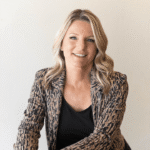
Ann Pearson is the CEO of Paralegal Boot Camp, a training company that helps paralegals and legal...

Kelli Radnothy is a legal tech educator and wellness strategist redefining how legal professionals work and live....

Eda Rosa, founder of Eda Rosa LLC, specializes in legal operations management and staff training. With over...

Tony Sipp is an accomplished legal professional with 19 years of industry experience, recently honored as the...
| Published: | September 17, 2026 |
| Podcast: | Paralegal Voice |
| Category: | Paralegal |
Host Tony Sipp welcomes back four insightful and inspirational guests as they share tips not only about work, trends, and tech, but also about taking care of your own health and wellness. Legal professionals work in a pressure cooker. It’s important to offload routine, draining tasks wherever possible.
Join Kristine Custodio Suero, Eda Rosa, Ann Pearson, and Kelli Radnothy as the break down some of the daily frustrations we all face. When you find yourself facing redundancies and inefficiencies, things that could be done differently, it’s OK to speak up for yourself, share your ideas, and build a better workplace.
Legal tech is evolving at a breakneck pace. If you make an effort to keep up, today’s tech can streamline your workday and optimize your output without creating more stress. Don’t avoid new technology because it’s “one more thing” on your plate. If you unlock it, AI and new legal tech tools can help you unload some pressures.
Hear how technology can not only help your own wellbeing, but it’s also turning paralegal professionals into leaders at their firm as they ride the next wave of tech to expand their roles and recreate the legal workplace. Get inspired. What will you learn next, and where will it take you?
Resources:
Let’s Talk Paralegals Hosted by Eda Rosa
Los Angeles Paralegal Association
Kristine Custodio Suero:
Yes, we have this wonderful technology that can support us as legal professionals, but we are still in the driver’s seat. Now it is even more important that we focus on those human-centered skills.
Tony Sipp:
Welcome back to the ParaLegal Voice. My name is Tony Sipp. Today we’re continuing our series with the Pure Legal Powerhouses. Today we have Kristine Custodio Suero, Kelli Ratheny, and Ann Pearson. Today, we’re going to continue our series where we left off with Kelli, how tech and wellness merge. So if you could make one legal professional advice for someone who’s taking tech and wellness 101 courses, what’s lesson number one?
Kelli L. Radnothy :
Well, thanks Tony for having us all back. This is such a great space here for us to chew on some really fun topics. And your question, okay, health and wellness in the legal space 101. I think lesson one would probably be something about self-advocacy, but not really in the way we usually think about it. More focusing on how to advocate for our own capacity, our workflows, and then those systems that we’re operating inside, not just the workload, but the real human centering of what we’re doing. Changing from I’m overwhelmed to, well, this process is creating duplication and delays and bottlenecks or not feeling bad to say, I need help because really you’re saying, well, here’s where the breakdown is and here’s some strategies that might fix this. And really not only setting boundaries, but being clear about our needs as a professional and as a human being.
Self-care, self-advocacy in the legal space isn’t just about protecting your time. I really look at it as advocating for better ways that our work gets done in a sustainable manner. Because as you know, there’s a lot of emotions that happen in the space and we aren’t immune to the impact of that as well as the high stakes and high pressure that’s also in our sphere. So I really think sustainability is essential when we think about long-term career or longevity in our careers. And so it really comes to learning how to advocate for yourself and for your team to make the system operate smoothly.
Tony Sipp:
Speaking of advocacy, Kristine, you’re very well known for being a strong advocate for not only students, but for women in general. What do you feel about the wellness and the tech and the merging and what would you advise people in that space?
Kristine Custodio Suero:
That’s a really great question, Tony. And I really do want to talk about where Kelli was going with regard to the sustainability portion, because we really are in charge of our wellness and really being able to speak up and say, like what Kelli said, this system is not functioning as it should. It is not optimized. But now that we have this technology at our fingertips, specifically GenAI, it’s a game changer for so many of us. Kelli and I do lots of presentations in the community, and we recently did a presentation around demystification series. And the last topic that we talked about was court dockets and how to use that technology in assisting our workflows as litigation paralegals. But even more than using that technology to assist our workflows, it really took me back in reflecting over what that does for me as an individual, because I like to say I’m a department of one.
It’s me. I’m the litigation department for my very small seven person law firm.
Tony Sipp:
You really are.
Kristine Custodio Suero:
And I have to leverage and optimize technology so that it can assist me. And that’s what I think about when I think about the intersection of technology and wellness and how these workflows and these systems really impact how we work and how we can design them better.
Tony Sipp:
Speaking of designing things better, Anne, somebody who knows how to design workflows who has mastered it, this is why she’s here. She is the OG. So Ed, tell us about this workflow, this magic and the wellness. I know you’re writing a book, if not, it will be coming out if that’s okay to share. But you’ve mastered this workflow and this wellness and this balance. Tell us your advice. What would you talk about this merging of tech and wellness and workflows?
Ann Pearson:
It’s interesting. I was thinking as Kelli and Kristine were answering, I think that they got it right about the tech. They’ve covered that in depth. And I was thinking, what else could I possibly add? Because they put so much out there. And I though, what if instead of just workflows and managing your time and creating systems, what if you also looked at tech as a wellness tool? If you have GenAI and back in the day in the 90s, if we had a wellness issue, we had to go buy a book. We had Barnes and Nobles and buy a book.
Tony Sipp:
That’s right.
Ann Pearson:
Now you could use your tech tool to jump in there. And like I would, I would say to my guy, Roby is my tech tool. Hey Roby, I’m having a stressful day. Let’s say I was a paralegal in an office. I’m having a stressful day and I messed something up. My attorney said this and I didn’t respond correctly and now I’ve got anxiety about X, Y, Z. Give me some tools to help me take better care of myself or tools to solve the problem. So instead of just looking at it like a systems tool, you could look at it like your little wellness helper.
Tony Sipp:
It is. It is. And I’m jealous, Anne, that you have a name for your AI. I just – You
Ann Pearson:
Can borrow it.
Tony Sipp:
Listen, I just started. So newsflash for everybody who’s welcome back to the podcast. I just became a professor at the College of the Canyon, so yay me. Something I’ve been trying to do and wanting to do for a long time, teaching civil litigation too right now. But that being said, perplexity is one of those applications that was discounted for educators. So now I have perplexity. So yes, the tool is really fantastic to use and using it to help you for that next level or just balancing some of those challenges that you’re facing with that. So that said, I know that Kelli and Kristine, you both have been doing kind of a series on that AI, and what is the message there that you’ve been sharing?
Kristine Custodio Suero:
Kelli tapped on it earlier, right? About this human-centered approach. Do not lose sight of that. Yes, we have this wonderful technology that can support us as legal professionals, but we are still in the driver’s seat. Now it is even more important that we focus on those human-centered skills.
Ann Pearson:
Kelli?
Kelli L. Radnothy :
Yeah. I love how ann was suggesting we lean into our tech. It’s really there to augment everything we do. I was recently talking with a friend who is a teacher in primary education and she does a closing of the week with a story. She does story time for her class, and she goes to AI and she puts in all the different issues that the kids have presented throughout the week, and she customizes this story at the end of the week based on what they’ve all been experiencing, taking them through a journey of growing through their week.
And the result has been the parents have reached out and said, “I don’t know what you’re doing, but it’s something really special. My child comes home and on Friday just downloads all of these valuable lessons they learned because their teacher put it together in a story.” And she’s like, “If not for ChatGPT, I would not be at this level in parents’ brain.” And she’s like, “And I don’t dare tell them that it was ChatGPT that did this because people are going to start thinking, Oh my gosh, AI is going to take my job. And really, she’s just a fine example of using it to augment her idea. It’s a thought generator. And so when we are stunted, such as our anxiety has gone through the roof, we can go to this objective source and say, Hey, I need help with this thing. And there’s no fear of shame or some of our AI does have a voice and an opinion and so lets us know.
But generally I’m met with kindness even when there’s pointing out. So that fear of shame is kind of alleviated, which allows for a lot more authentic conversation even though it’s with a computer. And so I think it’s just, again, really leaning into that tool and not running from it. We need to run to it and it changes the mindset with it.
Tony Sipp:
Yeah, completely. And you have to change your mindset, I think. And I’ve been leaning into it a lot lately just because of the education factor. And I was telling some of my other fellow educators, and here you are here as well, is like teaching has made me better. It just improves me as a person. It forces me to be more inclusive. But Anne, I was listening to you actually just before we got on the podcast, I was listening to one of your episodes. Even though you were talking about something slightly different, it applies. I think this is a prime time to get involved and get engaged with the AI. It’s not too late, you’re not behind, you’re not ahead, and you’re right there. And you said something in your podcast, you said growth shift or exit. And I think it seems like this is a good time to grow.
It’s a good time to shift or it might be a time to exit. I don’t know. So let’s talk about, I know I’m putting you on the spot here, but what do you think?
Ann Pearson:
I hope not exit. I really hope. But for some people, I have talked with paralegals and attorneys who have said, “I’m glad I’m in my last two or three years. I’m getting ready to retire. I’m not going to learn it. I don’t have to learn it. I’m retiring in a few years.” So that’s kind of what I meant by exit is sometimes that would be the option, but I think the growth is, I mean, this is the time. Huge. One of the reasons why I started writing the book is because I feel like not all, but a lot of litigation paralegals kind of missed it on eDiscovery. I really felt like in the early 2000s that the eDiscovery managers in law firms, that eDiscovery project managers had eDiscovery directors, that those were going to be litigation paralegals filling those positions. And I was disappointed. If you’ve seen most of those titles are held by people with JDs.
Somehow the attorneys took it over. And so why I decided to do the book about AI is for that reason, because I feel like don’t let that happen again. Don’t let that happen. This is perfect opportunity for paralegals to be able to be the leaders in their firm instead of just riding in the backseat while the attorneys take it over.
Tony Sipp:
This a perfect time for a commercial break. Let’s take a break and let’s talk about that, about being a leader, even if you don’t have that title. We’ll be right back. Welcome back to the Paralegal Voice. We were just discussing AI and how paralegals are at the forefront of this evolution of everything really that’s coming forward. And we’ve even been talking about how paralegals are pivoting, some that are project managers going into legal ops, others going to different directions, but still utilizing their legal acumen to go further in their careers. So with legal ops and that pivot point, it seems like such a natural transaction, Kristine, have you seen a lot of people making that pivot and going into that direction? And be honest with you, you’re kind of in that space already, aren’t you?
Kristine Custodio Suero:
I am. I am because officially my title within the law firm is senior paralegal/business development director, which is a function of legal operations. So for those of you who don’t know, there’s a thing called CLOC, like C-L-O-C.org, and they actually have this wheel of these skills that legal operations professionals need to demonstrate. And so interestingly enough that you asked this question to me because I was just on a call yesterday with a very good friend of mine who you know as well, Carl Morrison. Oh
Tony Sipp:
Yeah.
Kristine Custodio Suero:
Who, right? Yeah. My
Tony Sipp:
Predecessor.
Kristine Custodio Suero:
Right. Exactly. And he shifted his career from a traditional paralegal litigation paralegal and specialized really in trial, e-discovery, and then made the jump into legal operations in-house. Yeah. Fantastic. And now he’s a senior manager of operations for I think a pharmaceutical company on the East Coast. And he’s just one example. I’ve seen so many folks do this successfully. So yeah, it’s something I talk about in my class.
Tony Sipp:
That’s awesome. And Kelli, what’s been your experience with AI or even the pivot to legal ops or any other direction?
Ann Pearson:
I’ve actually had several people on the podcast that did exactly that. The same circumstances allowed them both to take on this position, which I thought was interesting, which was they didn’t even start out as paralegals. They started out as receptionists, file clerks, and by knowing the ins and outs of the organization from the ground up, they then move into paralegal positions, legal assistant positions, but because they know the inner workings of that law firm, they’re naturally the person who becomes the director of legal operations. And the line of the questioning for both of them really was to give paralegals hope who are maybe starting out in a position that’s not a paralegal position. They have a paralegal certificate, but they had to take a different position. They’re still gaining all kinds of experience that could lead to roles that they have no idea right now that they could be looking at 10 years from now.
Tony Sipp:
That’s an excellent point, Kelli.
Kelli L. Radnothy :
Yeah. Even further to that point, kind of what was mentioned a little earlier, these pathways to fulfilling careers
Ann Pearson:
Look
Kelli L. Radnothy :
Very different now than they did 10 years ago. And it’s terminology, it’s vocabulary, it’s awareness of what these roles actually contribute to the delivery of legal services. Similar to Anne’s story, we have a good colleague, a friend of ours who started out as a legal secretary in a firm and became basically the executive assistant to the managing partner and then moved into administration and then moved into the tech department and then eDiscovery and now is running eDiscovery consulting out of a large international law firm. So these pathways, they’re all unique, but they all kind of parallel each other. The information highway has created our highway multi-lanes across. So diversity and opportunity exists pretty much everywhere we’re turning right now.
Tony Sipp:
It’s good to know. And now that I’m teaching, telling the students, you get that. I don’t have any experience. I don’t know. The first two years, they always want experience. Get your foot in the door. Get in the door, get in the building, get in the house, be a janitor. Do something. Park the cars, get in the building. So once you’re in, you can work your way up, but you got to get in that door. So get your foot in the door. I don’t want to be Malcolm X, but by any means necessary, get your foot in that door so then you can go and do other things. So as far as us being the leaders, us being the revenue generators for the firms, what advice for others that are getting into this space like now, what advice would you tell them about AI, about moving forward, about this moment in time?
I’m not going to say we’re in a recession, but it’s not looking good. What are we going to do about those people that need that community, that need a job, need spaces? They’re looking for a way to help legal. The fear is that I don’t know enough. I don’t know enough. I don’t have enough experience. I haven’t done X, Y, Z. And typically I would tell somebody come as you are and bring those skill sets that you already have with you because you already know how to do that. For example, we have students that work in a restaurant. The one thing you have that nobody else has that can’t be taught is that customer service skill. You know everything that’s on everybody’s order, every plate, every table. That is a skillset that nobody can take away that you know you own and that’s going to be necessary in the future.
So with that said, what skillset do people need now, Kelli, to move forward in their career if they choose to go into this field?
Kelli L. Radnothy :
Well, adaptability and the willingness to learn. That’s one of the things that I love about this entire profession is there is no lack of learning something new on a daily basis. The things that we’re presented with, with every single case, with every single client, with every single teammate, they’re unique and it really lends to the ability to absorb so much of what is in this world, which then allows us to find what drives us, what gives us passion, where we can plug into our community. So on that note, I would say to somebody new coming into this, rub shoulders with those individuals that possess the knowledge that you’re looking to gain, that are doing the work that you are really interested in so that you can learn how to position yourself in that same space and be confident in aligning yourself that way.
Tony Sipp:
Excellent. That’s very, very, very good advice.
Kristine Custodio Suero:
I’m actually going to build off of what Kelli’s saying, because of course I agree with what she has said already with regard to being adaptable and building community and this curiosity mindset. However, I also want to underscore the importance of learning data literacy and data fluency because we’re in this very unique and interesting moment where industries are shifting because of the technology we have access to, that I think it’s really important to underscore the importance of data literacy and fluency.
Tony Sipp:
Thank you, Kristine. And speaking of being fluent in AI literacy, what’s your opinion? What do you suggest?
Ann Pearson:
I’m going to go with the opposite of what you think that I was going to say, which was be tech fluent in AI, which I think that’s just going to be a minimum. But whether you’re new or experienced, I think focusing on the things that AI can’t do.
AI can’t replicate things like compassion, empathy, problem solving, critical thinking, communication. Look at the parts of a paralegal position, whether you’re in the role or if you’re a student and you’re looking at a job description, what parts of that job description could eventually be done by AI and then what can’t be done by AI? And so there are going to be things that. AI can’t meet with a new client who’s just had a tragic car accident, right? Right. They could sit there in front of a robot and answer some questions, but they’re not going to be a very happy client. Not that we shouldn’t also focus on the tech part, but along with that, think of if any of that took away some of what I’m doing, what are things that I can do that AI cannot replicate?
Tony Sipp:
Exactly, exactly. It’s the cognitive atrophy that I fear. I do that with my students. I know they’re going to use AI on their homework. I know it’s coming, but in the classroom we’re going to talk about why they came up with that answer so that we want that intellectual stimulation happening. Let’s take a quick break and we’ll close out with some rapid fire questions for our four guests here or three guests here. I decided to stay in Florida, so we’ll be right back. And welcome back to the Paralegal Voice. We’re here with Anne, Kelli, and Kristine, and we’re going to rapidly, rapid fire a few questions off for them. Are you ready?
Kelli L. Radnothy :
Ready, yes. All
Tony Sipp:
Right. We have 10 questions. Questions number one. We’re going to go in order. Kristine, Kelli, and Anne. Coffee, tea, or something stronger on a long workday?
Kristine Custodio Suero:
It’s coffee right now. Coffee,
Ann Pearson:
Coffee.
Tony Sipp:
Number two, early bird, night owl, or depends on the filing deadline?
Kristine Custodio Suero:
It depends on the filing
Tony Sipp:
Deadline for sure. It does. It really does. Everyone’s – Early
Kristine Custodio Suero:
Bird.
Tony Sipp:
Early bird?
Ann Pearson:
Early bird.
Kristine Custodio Suero:
Yeah.
Tony Sipp:
Okay. I like to think I’m an early bird. I’m not. I’m night owl for sure. If you had a completely free day tomorrow, how would you spend it?
Kristine Custodio Suero:
Oh, that’s a really
Tony Sipp:
Good one. I know.
Kristine Custodio Suero:
Right? I would like to say drinking a beverage with an umbrella on the beach, but probably more practically, probably reading.
Tony Sipp:
Yeah. Catching up.
Kristine Custodio Suero:
Yeah. Yeah.
Kelli L. Radnothy :
I’d say a standup paddle board on the lake.
Tony Sipp:
Oh, okay. Balance. Anne?
Kelli L. Radnothy :
Yeah.
Ann Pearson:
I would say a boat ride.
Tony Sipp:
That would be nice. I’ve always liked the nautical beam. I got married under a yacht, so I’m biased. What’s a song you have to sing along when it comes on?
Kristine Custodio Suero:
Well, anything 80s, right? Madonna is a big one for me, but Sweet Caroline, I mean everyone plays,
Tony Sipp:
Right? Yes. Right. Classic, classic. Yeah. Cal?
Kelli L. Radnothy :
Lately, it’s been homegrown.
Tony Sipp:
Homegrown. Okay.
Kelli L. Radnothy :
Homegrown.
Tony Sipp:
Yeah. Okay. And?
Kelli L. Radnothy :
Country
Ann Pearson:
Song. Lovely day.
Tony Sipp:
Bill Weathers. Oh, Bill Leathers. Yes. Yes. I like it. I like it. What’s been mine? They not like us? I don’t know. Maybe. I don’t know. I’ll try something. Let’s see. I like
Kelli L. Radnothy :
That one.
Tony Sipp:
If you could instantly master one new skill, what would it be? Ooh, I want to jump in on this one too. Anne.
Ann Pearson:
Oh, gosh.
Tony Sipp:
I know, right?
Ann Pearson:
New skill. Work related or personal?
Tony Sipp:
This is open. We can.
Ann Pearson:
Painting.
Tony Sipp:
Ooh. Oil? Canvas?
Ann Pearson:
Canvas.
Tony Sipp:
I like that. Kristine.
Kristine Custodio Suero:
I wish I could sing better.
Tony Sipp:
Yeah. Yeah, I’m with you on that one. I have a voice, but I have the voice to see. Yeah, right.
Kristine Custodio Suero:
The voice. I want to be on the voice. This
Tony Sipp:
The voice. Kelli.
Kelli L. Radnothy :
I would say the drums. I want to play the drums.
Tony Sipp:
Ooh, the percussions. I like it. Atabaki. All right. Wow. What led a master? Stock markets. I would love to be a master of that and just make my way through there. All right. What’s the most unusual or surprising job you had before working in law? What is the most unusual or surprising job you had before working in law?
Kristine Custodio Suero:
Mine have always been office jobs. Really? I’m having
Tony Sipp:
A
Kristine Custodio Suero:
Hard time on this. Yeah.
Tony Sipp:
I can tell you mine. You’ve always been some sort
Kristine Custodio Suero:
Of office
Tony Sipp:
Job. I had a paper route. I was 12. I would get up early in the morning. They would drop off a bunch of newspapers to my house, just dump them, and dump a bunch of plastic bags. I had to put everything in the plastic bags. I couldn’t see. It was dark with my little flashlight, start riding around to people’s houses with my little rubber band and my bike and start tossing because you’re supposed to put them on the porch, but I had a bike and I thought I was athletic, and I would just toss them onto their porch and just boom, boom, boom, hit them and go home. And I was so proud of myself because I made that money. That was my money that I earned. So that was my first, first job. And not a lot of people know that, but that’s where I got my financial discipline because you learn to appreciate money when you’re making it, right?
If it’s raining, you got to go out there and your sister tries to take something off of your plate, that is yours. That is not hers. She did not earn that. I’m just saying, I got a flashback. Sorry about that. What would be yours?
Ann Pearson:
Well, my first job was at Dunking Donuts in high school.
Tony Sipp:
Nice.
Ann Pearson:
Yeah. I think I got fired though.st
Tony Sipp:
Dunkin Donuts. Did you not get up on time?
Ann Pearson:
I didn’t make it to work when they. Yeah. Yeah. But on the positive side to this day, I cannot eat a Dunking Donut. Really? The smell of that. I can’t even walk into a place. Make me nauseous. The smell of it. So yeah, that’s good. A good healthy thing at least.
Tony Sipp:
Other side of that. Who’s next?
Kelli L. Radnothy :
I’ll go ahead on that because it kind of follows what you were saying, Tony. My first real, real job that I think of was probably when I was 10, my girlfriend had a paper route and her mom had a tandem bike and was like, “Kelli, you need to go with Amy because she crashes on her bike alone. So you’re going to navigate, you’re going to be the driver and she’s going to throw the papers.” And so it worked out great until we crashed, which then there’s four handlebars with paper bags and papers everywhere. It was a disaster, but I made a little bit of money. And so that was my first real organized job though was at Limited To a clothing store.
Tony Sipp:
Yeah, I know it.
Kelli L. Radnothy :
And I didn’t last long. I jumped ship very quickly because I got really irritated when people would mess up all the folding I just did. I was like, “What are you doing? Don’t touch the shirt.” And they’re like, “No, no, we need to buy the shirt.” I’m like, “No, no, you messed it up.” So I went to the coffee shop across the way and went on from there. So yeah.
Tony Sipp:
I got to say, when you said limited, okay, this one, I don’t know what kind of story, brag or whatever, but I was working over the summer. I was working at Circuit City. You guys remember that, Circuit City? I was working at Circuit City, but I was desperate to go to college, so I needed to make money. So there was a store, a clothing store called Structure that was next to Limited.
Ann Pearson:
So
Tony Sipp:
I went over there and I applied on my lunch break to go work at Structure. I got the job. So folks, this is how messed up I am. I would work my job at Circuit City on my lunch break, go work my job at Structure, go back to Circuit City. Once I was done with that, go back and close out Structure, and then go home and work at Wegmans, which is my main job while I was going through school. So yeah, I was that guy. But the Structure job, all I had to do was be a model. They wanted me to stand there and wear their clothes. So I sit in the front of the store and I’m just wearing vests and smiling and nodding at people, but I got paid, so I love that job.
Kristine Custodio Suero:
That tells me a whole lot, Tony.
Tony Sipp:
Too much.
Kelli L. Radnothy :
Tony says about your
Kristine Custodio Suero:
Drive. Right?
Kelli L. Radnothy :
I’m
Tony Sipp:
A little hungry. I’m a little hungry.
Kelli L. Radnothy :
And he’s a supermodel. Of course, that’s
Tony Sipp:
A
Kelli L. Radnothy :
Smile.
Tony Sipp:
If I only knew. If I only knew. All right. If you could time travel, would you visit your younger self or jump 10 years into the future?
Kristine Custodio Suero:
That’s a question that makes you go – I know.
Tony Sipp:
I know. I told you. Do
Kristine Custodio Suero:
I want to go backwards or do I want. And it’s like I just live in the present. I don’t really think about these things, but probably forward because I’m still curious about what the future was.
Tony Sipp:
Right. Good question. I’m still curious. Good answer. Good answer. Kelli?
Kelli L. Radnothy :
I think I’d go back so that I could further appreciate where I currently was.
Tony Sipp:
Well said. All right. Anne?
Ann Pearson:
It depends. If we jump forward, can we come back or are we stuck forward?
Kelli L. Radnothy :
Good question.
Tony Sipp:
Anne, you can do whatever you want. This is your world. You want to jump and skip?
Ann Pearson:
As long as I can come back, then yeah, I would go ahead 10 years and see what’s in store for the future.
Tony Sipp:
I’m there with you. I think I want to see what’s happening even though there’s. Yeah, I want to see what’s in the future. I love that. Great answers for everyone. All right. What’s one fun fact about you that doesn’t appear anywhere on your professional bio? Kristine?
Kristine Custodio Suero:
Well, there’s a couple that I would share here. One would be I’m absolutely obsessed with pugs, so anyone who knows me well knows. Yes. How did I not know that? Right. I’m just obsessed. And the other thing is I took improv classes for two years. Come
Tony Sipp:
On. No. I did. Yeah.
Kristine Custodio Suero:
I didn’t see that
Tony Sipp:
Coming. Two years
Kristine Custodio Suero:
Because I was told by. I hired a public speaking coach very early on in my career when I was starting to build my skills. And so she had me videotape myself. She’s like, “You don’t really need a speaking coach. What’s your hang off? And I said, “Extemporaneous speaking at tongue time. I get a little
Tony Sipp:
Nervous.”
Kristine Custodio Suero:
And she’s like, “I teach an improv class. You should do that. I think that will help.” And I ended up doing it for two years and it was awesome.
Tony Sipp:
Wow. That is enlightening. You’re nodding Kelli Kelli.
Kelli L. Radnothy :
Well, I just can attest to how the improv really can improve your skills because with Kristine, I mean, she’s one of the most dynamic speakers that I’ve ever been around. And so it really is a testament to advocating for yourself
Tony Sipp:
In the right spaces. Should have been called Kristine X, not TEDx.
Kelli L. Radnothy :
Right. Exactly. I know. So I’d say for me, maybe something people don’t know is I’m an amateur backyard farmer, I guess. I don’t know. I have 16 chickens and three goats. So I have fun with that. Yeah. So add farmer to my resume, but I don’t add farmer to my resume, but I could.
Tony Sipp:
Well said. Okay. All right. Anne?
Ann Pearson:
Well, I used to be an ice skater.
Tony Sipp:
Come on. Really? I
Ann Pearson:
Had dreams. Oh, I was going to go to the Olympics. I thought so. Because I was raised in upstate New York, so there was nothing to do but ice skate. And don’t
Tony Sipp:
Tell me where. You’re in upstate? I’m from Rochester.
Ann Pearson:
What?
Tony Sipp:
Yes.
Ann Pearson:
Finger Lake,
Tony Sipp:
Seneca Falls. Yes. I know the area all too well. I was just up there like Genesee. Well, you guys, you know the area. So anyway, cool. Ice skater. Ha, that makes sense. Very cool.
Ann Pearson:
Yeah, but I fell on my tailbone and had to have surgery when I was a teenager. Wow.
Tony Sipp:
Killed that
Ann Pearson:
Dream. Stopped there, but I still get on my ice skates.
Tony Sipp:
Nice. All right. If your life had a theme song right now, what would it be?
Kristine Custodio Suero:
Hit me with your best shot. I like a clown thing that,
Tony Sipp:
I like a Chuck E Cheese.
Kristine Custodio Suero:
You know the Bop Clown thing?
Tony Sipp:
Oh gosh. Oh my gosh. Resilience. Resilience, yes. Yes. Whoever’s next, Kelli?
Kelli L. Radnothy :
Oh my gosh. I don’t know. Kristine’s was so good. I don’t know any other songs. I can’t think of anything.
Tony Sipp:
Now I’m looking at my
Kelli L. Radnothy :
Spotify. Oh, okay. Here we go. Eye of the Tiger. That’s what I’d say. I
Tony Sipp:
Of the Tiger. Nice. Very nice.
Kelli L. Radnothy :
That was the theme song for my high school basketball team. That’s what would play when we’d run out of the locker room. That was the starting song when we’d run out of the locker room at every game. And so whenever I’m thinking of going into the arena, that song is on repeat over and over.
Kristine Custodio Suero:
I like it. Cal, that needs to be our theme song. There might be violation rights, but I’m just
Tony Sipp:
Singing.
Kristine Custodio Suero:
If you guys
Tony Sipp:
Remix it, you might be able to get some type of rights to it. Audio. Anne.
Ann Pearson:
Okay. This is going to sound cheesy, but Can’t Stop That Feeling by Justin Timberlake.
Kelli L. Radnothy :
Oh, I like it.
Ann Pearson:
It’s a song that I hula hoop to before I go live on big presentations. Just in my house, I hula hoop to it and play it and it gets me energized.
Kelli L. Radnothy :
Wait, Hula Hooping? Th’s another secret skill that she has
Ann Pearson:
Ice skating, right? Yeah, you could add that to my resume. It’s interesting
Kristine Custodio Suero:
That you share that because I learned one of the tricks to get, because everyone, even seasoned speakers that speak quite a lot, we get that charge of energy and I was told to do jumping jacks before I go on and I have a lot of energy to release. That’s interesting you do that.
Tony Sipp:
I just do one-handed pushups and then –
Kristine Custodio Suero:
Oh my gosh.
Tony Sipp:
Just get motivation. Motivation. Whatever works for us. Anyway, you guys have been such a pleasure as usual. And listen, if you like this episode, please make sure you like and subscribe to your favorite podcast wherever you listen to it, Apple, Spotify. Also, where can we find you, Kristine, if people want to follow up and get in contact with you?
Kristine Custodio Suero:
Always on LinkedIn. That’s where I post quite frequently, but I do have a website as well, Kristine Custodio. So the K-R-I-S-T-I-N-E-C-U-S-T-O-D-I-O.com.
Tony Sipp:
All right. And Kelli?
Kelli L. Radnothy :
Same on LinkedIn. You can find me, Kelli Radnethy on LinkedIn. I also have my own website, Klrparalegal.com.
Tony Sipp:
And Anne?
Ann Pearson:
Same thing. Website, paralegal-bootcamp.com. And I pretty much post mostly on LinkedIn.
Tony Sipp:
Also, ann is being modest, but every second Saturday of the month, she has a one-hour open session for all paralegals, kind of ask me anything almost coaching session. So go to her website, go check her out, go visit her website. And her book is going to be coming out soon, so go check that out as well. And for me, you can get in contact with me on the Paralegal Voice Podcast. I’m also on LinkedIn under Tony Sipp, T-O-N-Y S-I-P-P. Don’t forget the second P. All right. Thank you, my guests. I feel so blessed to have all of you in my life and just present. So thank you. I appreciate all of you.
Kristine Custodio Suero:
Thank you. Thank you, Jonathan.
Tony Sipp:
Have a great day, everyone.



Notify me when there’s a new episode!
|
|
Paralegal Voice |
The Paralegal Voice provides career-success tips for paralegals of any experience level.