To quote Ferris Bueller, “life moves pretty fast. If you don’t stop and look around once in a while, you could miss it.” Take time to care for yourself.
|
|

Eda Rosa, founder of Eda Rosa LLC, specializes in legal operations management and staff training. With over...

Kristine Custodio Suero is an award-winning legal professional and a highly sought after speaker, inspiring legal professionals...
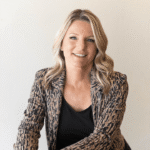
Ann Pearson is the CEO of Paralegal Boot Camp, a training company that helps paralegals and legal...

Kelli Radnothy is a legal tech educator and wellness strategist redefining how legal professionals work and live....

Tony Sipp is an accomplished legal professional with 19 years of industry experience, recently honored as the...
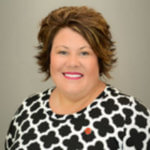
Jill I. Francisco, ACP, received her BA in Criminal Justice, (concentration in Legal Studies), from Marshall University...
| Published: | March 12, 2026 |
| Podcast: | Paralegal Voice |
| Category: | Legal Technology , Paralegal , Wellness |
In this jam-packed episode, host Tony Sipp welcomes four outstanding paralegal professionals and educators to share tips on balancing mindfulness, wellness, and self-care in today’s world of rapid tech advancements.
If it seems like the profession is bolting forward at light speed, you’re not wrong. It’s important to take care of yourself. Let tech work for you, not wear you down. At times, you need to plug back into yourself before you plug into the latest technology.
With a race to incorporate that latest in AI, it is important to keep learning, but also to learn how to embrace “the power of the pause,” taking a moment to step back. Don’t just survive, thrive!
American Association for Paralegal Education (AAfPE)
AAfPE Legal Luminaries podcast
Los Angeles Paralegal Association
NALA, The Paralegal Association
Tony Sipp:
And welcome back to the paralegal Voice. My name is Tony Sipp, and today we have an exciting exceptional episode for you that it’s going to be amazing. So please like, subscribe, share, because we’re going to make this into a series. We have five fantastic paralegal hosts today for this podcast of different varieties. And I thought it would be a great idea to expose everybody, expose their skillset and their expertise level in every direction in their own podcast and bring everybody together. And let’s just talk about the profession because we’re all legal professionals and we’re trying to make the best of this world and access to justice. And that’s what we do. So today’s guest, I’ll start off with the first one, is Eta Rosa. She’s a force of nature in the legal operations, the brilliant Eda Rosa, founder of Etosa LLC and the Limitless Paralegal Academy.
She’s helping firms and paralegals alike cut through chaos and build systems that work not just for efficiency, but for peace, profit, and people. Our next guest is Kristine Custodio Suero Kristine is someone whose name has become synonymous with leadership, mentorship, and advocacy. She’s an award-winning legal professional, educator, and strategist with over 20 years of experience, and she’s changing the way we think about growth and inclusion in the legal profession. Our next guest is Kelli Rotheny. Kelli Rothenie is a paralegal educator and thought leader at the intersection of tech and wellness. She’s redefining what it means to have a sustainable, ethical, and fulfilling career in law while embracing AI and innovation responsibly. And our next guest is Ann Pierson, the powerhouse behind the paralegal bootcamp. Ann’s training programs have elevated thousands of paralegals across the country, helping them sharpen their skills, increase billable hours, and gain real confidence in their careers.
Journing me today is Kelli Rathithy, a paralegal educator and thought leader at the intersection of tech and wellness. She’s redefining what it means to have a sustainable, ethical, and fulfilling career and law while embracing AI and innovation responsibly. So we’re going to start off with Kelli today. So Kelli, you’ve managed to bridge mindfulness and technology. Two words, not often linked in Law. How do they compliment each other?
Kelli Radnothy:
Tony, thank you so much for having me today. It’s an honor to be here and talk with you and the whole network. I love this topic so much because it’s where so many of us are really living right now trying to balance innovation with intention. And your question is awesome because really for a long time, tech and mindfulness, they’ve really been treated sort of like opposites. One speeding us up while the other really slows us down, but really I look at both of them as tools for awareness. Technology gives us insights through data or automation or recognizing patterns. While mindfulness really gives us that discernment, right? It teaches us how and why to use these tools in the first place. So when we can really bring those two together, we start designing workflows that serve us and our teams instead of really the other way around.
I look at that’s really the difference between being efficient and being intentional and being intentional with our time using those tools. So I like to say mindful tech use isn’t about unplugging. It’s really more about plugging back into yourself before you plug into anything else, if you can see that analogy.
Tony Sipp:
That’s a good visual. Like it. I like it. Anybody else have an opinion on that? Kristine? I know you’ve been doing a lot with the- Mine’s
Kristine Custodio Suero:
Technology. I know. We do. So just full disclosure, Kelli and I actually have a podcast through AFP, which is the American Association for Paralegal Education, and it’s called The Legal Luminaries, the Paralegal Edition. And so we focus on providing really great strategies for paralegal educators in our community. This year we’ve been really focusing, it’s our season two, and we’ve been focusing so much on technology, especially with this gen AI. It’s moving at such a quick pace. So I think that question is really salient at this time, in this transformative era with respect to mindfulness and technology and the way that we use technology to really serve us, to serve our clients, to improve the profession. So I kid, and I’m also an educator here in San Diego. And I say to my students often, I say, technology, friend or foe, sometimes both because it’s kind of true.
We have these techno gremlins that kind of trip us up and do all sorts of things to kind of derail us, if you will. But I think that with this mindfulness approach, it can really give us what we like to refer to as the power of the pause so that we take a breath, take a moment, recenter, reground, reframe, employ those durable skills that we know so well about being resilient, about being adaptable, about being agile. I like what Kelli has to say often to folks where she says, everything is figure outable.
I
Tony Sipp:
Love that. That’s great. Forgive me for not doing this in the beginning, but Ann, can you tell people what the name of your podcast is?
Ann Pearson:
It’s Paralegals On Fire Podcast
Tony Sipp:
Show. Woo.
Ann Pearson:
Vego. Not that I want people to catch on fire. Kind of along the lines like this episode that you’re calling, right? The paralegal powerhouse. So how do you get your career going? Yeah.
Eda Rosa:
What I would like to add to the conversation is just actually knowledge of technology. So for us, it’s still like a foreign object. It’s something that we’re still learning. It’s in its infancy. When we talk about technology, it’s very young, comparable to kind of a prior. When the internet first started, nobody knew really what the WWW stand for, but we use it every day and nobody actually knows what it stands for, worldwide web, by the way. And so the AOL, the annoying noise, all these things that we had to learn when we were introduced to this new foreign object, new thing. And one study that I love because I love Adam Grant and I always have to bring him into my conversations because, I don’t know, at this point he should give me a royalty fee. But in addition to that, he had this amazing study that he presents in his speech and it was about how technology is actually beating the human when it comes to empathy.
And the only reason it does that is because it reads the emotion and the need of the human, which is one of our non-default modes, not pun intended. We often are quick to respond. We’re already thinking about what we’re going to respond to, and we don’t really breathe and live in the present when somebody’s actually talking to us. We’re on our phones, we’re distracted with the notifications, we are already wanting to respond to whatever they’re saying and we’re not really holding whatever that conversation is, whatever the need is. We’re not reading between the lines when we’re having a conversation with a human, whatever the dynamic is, whether it’s professional, whether it’s personal, whether it’s a parent to child, whether it’s a sibling. And so really understanding the dynamics of actual communication. We don’t learn how to communicate. We don’t learn how to talk to people.
We don’t learn how to listen, how to be active listening, how to live in the pause and how to balance all of that and really have a true conversation versus I just want to respond and get my ego out of the way.
Ann Pearson:
I could add something to that too. I love the mindfulness and the mindset. What I have found amazing, very interesting actually, is in my litigation bootcamp, I hold monthly coaching calls where anybody who has questions can come on and just like a Zoom meeting room. And the course teaches mindset, behaviors and skills. And you would think that every month I would get people on there asking me questions, “Well, when you’re doing the deposition notebook, do you do this? And what about what trial?” Almost 90% of the conversation is mindset. It blows me away. It is mindfulness, how to listen. What do you do when attorneys are talking to you? It is all about mindset. It amazes me. I’m like, “You guys don’t want to talk about trial?” So I think it’s so important. I love that you guys are focusing on that.
Tony Sipp:
It’s amazing. It’s amazing. It’s an important topic. All of you just answered my next question, so I’m going to go to the next question. What’s your favorite example of a paralegal using tech creatively to simplify their workload?
Kelli Radnothy:
Another good question here. In my professional experience, I’ve been in big firm, small firm, and now in the public sector and the government side of things. And so resources in those different environments look very different. So there’s so many good situations that I’ve encountered or my colleagues encountered that they have strategically or creatively come up with a solution that blows all of us away. And usually it’s centered on some sort of tech that wasn’t being used to its full capabilities. And so I think one of them was, it’s a really simple one, but a colleague of mine, because we don’t have a lot of resources in the public sector and going to trial, we have to somehow organize a lot of evidence without any technology. And so she built her own case dashboard within OneNote within the closed environment of our VPN and saved it on that device because it was a state device and was able to access it live in trial because she’s not connecting to some outside network or source.
And so she color coded things. She organized it in a way that she literally could just hand her laptop over to the attorney who was handling testimony at the moment or argument with the judge and somebody else could easily just follow it. And so that’s one of those questions where it’s like, can it become this living system that the whole team can rely upon based on the resources available? And so that looks very different. Within the government sector, we can’t use ChatGPT. We can’t use any of those open sourced information warehouses basically. So learning how to use the tools that are available to create depo preps outlines or doing depo reviews and creating outlines for trial, it just changes our ability to take manual work that would take hours and truncate that down to a 15 or 20 minute automated process, which in turn builds this competence for that specific technology and sort of elevates this one individual’s role on the team, which operationally is genius.
And it’s becoming that we’re architecting our own career and building that path. And so kind of centered on what we were talking about, that mindset training, it’s not part of the curriculum in, let’s say paralegal education. We know it’s not part of the curriculum in law school. And some of the research Kristine and I have been doing is looking at how you start to integrate mindset training, that coaching mentality within your educational environments across the board for legal professionals. What it comes down to is it’s not about coding or these complex tools. It’s about being tech-wise, not tech crazy and having the curiosity and courage to advocate for your own career, your own skillset, that durable skillset that’s going to translate no matter what discipline you’re in or what niche you’re in, but driving that curiosity and courage. And so it’s like creating this community.
So talking to each other about how you came up with a solution when you had literally no ideas available and no resources. And that’s where what Ann was talking about, the forums are limited and the presentation of the issues that we see in those forums are all centered on the humans involved here. How do we humans operate better given all these tools that are around us? And that’s not something we can really create in educational curriculum. It’s experiential. And the only way we share that experience is by a forum like this, or a forum like what Ann does with her monthly bootcamp members. So we have to keep having these conversations and talking about each other, coming up with something that’s super impressive and created a bridge for a gap that we’ve long been seen. Tony, you see all of these different tech applications across the board, simplifying.
So I’d be really interested to know your take on it or Eda’s take on it of how all these different creative uses …
Tony Sipp:
Spoken like a true podcast host. So what I would say is that the fear of AI replacing paralegals is what I always hear. It’s not AI that’s going to replace the paralegal. It’s the person who knows how to use AI that’s going to replace that paralegal. So this topic is important. So knowing that and knowing that those systems exist and for your colleague to stand out, because she knew how to utilize the tools, the tech tools, those people always stand out. They don’t get left behind. Kristine says, lifetime learner, always, always learning. So, and especially right now, this is one of those times that you have to learn the tools and prompts, got to learn how to use the prompts as well.
Eda Rosa:
I would just add that we would need to … Kelli was talking about integrating. We can do that. It’s very simple. At the academy, we do that. Kelli knows that. Kristine knows that. We always lead with intention and we always add reflective questions so that the student has time to bask in all that information that’s being spit out at them. We give them something tangible to work on once they’ve completed the course and during the course. So after every module, I want you to think about this. I want you to ponder this. There’s a different way that you can look at this. Why don’t you look at it from the opposite end? Because life really, honestly, we are a product of our environment and we can break out of it, which is the most beautiful, freeing mindset that we can ever do, is that we can break out of that environment whenever we want.
What’s that saying? If the flower’s not flourishing in its current environment, change the environment. And sometimes people look at it like a physical thing that literally replant it, put it somewhere else. But another thing is, why don’t we just position it better to give it better sun or lower sun, or it could still be in the same pot.You’re still your core you and you just got to give yourself different facets. And so not losing yourself in the translation is also important. And I think that’s very something that we as paralegals and entrepreneurs and educators and forward-thinking paralegals that grab those core skills that we learned throughout being a paralegal for many decades. We have to understand that not everyone thinks like us. So it’s up to us to say, “Hey, listen, there’s different ways to look at your current narrative. These are ways you can prevent burnout, anxiety, the need or the want to leave the legal industry, miss so many paralegals that have left because of it.
“
Tony Sipp:
Wow, that was fascinating, Ada. Thank you for that. This is a good time to take a commercial break from our sponsors. We’ll be right back. And welcome back to The Paralegal Voice. My name is Tony Sipp and I’m here with our distinguished guests from other podcasts. And we’re going to start with Kelli again. Kelli, you talked about thriving instead of surviving. What’s one practice you use to keep yourself grounded in this fast-paced field?
Kelli Radnothy:
Oh, thriving instead of surviving, it’s sort of become my mantra, I’d say, and something that I have to recenter myself regularly. One of the ways that I help keep myself grounded is every morning I spend a little time outside. Yes, it’s out of necessity because I have animals outdoors that I have to tend to, but I feel like that moment of morning sun on my eyes, on my skin, it just changes my why right away that I’m rising for a bigger purpose. And then I also tend to, with that, kind of pause and ask myself, “What do I want my energy to be today?” And that sort of helps change everything because it kind of pulls me out of that reaction mode and more into an attention mode that the tasks, my to- dos are centered more on what that energy expectation is that I’m setting for myself instead of anybody else.
And then sort of throughout the day, I like to build in, I call them micro resets. They’re just small pauses. I have a caseload that is unmanageable truly in the state work. And so it’s extremely important for me to just take that minute or two between tasks to stretch or breathe or go outside and walk the block. And yes, an hour long yoga class would be great to reset my whole nervous system, but that’s just not really reasonable or feasible. So sometimes it’s just that conscious exhale that brings me back to being myself and like why I’m here. And I’ve found that once I start protecting my energy, I realize that that in itself creates productivity for myself because I’m creating space to really be able to focus on that task that I’m intentionally putting as that focus, right? Instead of all these other urgencies coming at me and creating it sort of emergency or put the fires out, which we all know in the legal office, there’s fires everywhere.
And so if I can’t stay grounded and centered, I’m not going to be effective in addressing any of those fires. And so it’s really setting the tone for my day. And if I don’t do that, the day is always off balance. I struggle to find alignment with my time, my energy, any of the resources that I have. It’s just being intentional with my energy to protect my time. I think I’ve learned it because I’ve burned out too many times, right? You’re
Tony Sipp:
Right. And
Kelli Radnothy:
I continue to. I just think a couple weeks ago I did it to myself. I mean, it was just learning to say no is difficult, especially when we’re wanting to grow and expand ourselves. And lifelong learners, we all are. So it’s really hard to be like, no, I’m not going to take on this opportunity that’s going to grow my knowledge base, but we have to also respect our capacity. And none of us are superhumans. We might think we are, but we’re really not. We require rest and recharge and nutrition and fuel, all of those things, every single one of us. And reminding ourselves that I put pants on one leg at a time, just like the judge in federal court does. And that’s an intentional decision every morning. So yeah, that’s how I do it.
Tony Sipp:
That’s beautiful. Anyone else? How do you keep yourself grounded?
Ann Pearson:
I would say sleep. Sleep.
Tony Sipp:
Oh, that’s so underestimated. It
Ann Pearson:
Is. And you know what’s interesting? I used to be the type who would say, “I don’t need more than five or six hours. I’m fine.” I used to be able to go to bed at 110, get up at 4:30, get ready for work, drive into the office, do it all, right? I thought I was doing it all. Once you hit menopause, Tony, you won’t have to worry about that.
Tony Sipp:
There’s a menopause. I’m told there’s a menopause. I just haven’t hit
Ann Pearson:
It yet. But I went deep into the research. I went into biohacking sphere and one of the things, you have to make sleep your top priority and I wasn’t doing it. And oh my gosh, now that it is my top priority, it keeps me grounded all day.
Kristine Custodio Suero:
I will add to that too, because I absolutely am, because I was always priding myself on being the four hour sleeper. No, no, no, no. Not okay, right? It’s not okay. But also, I’ve really learned to make space and time for community and connection. Kelli and I are very well known for saying, “You can’t AI the human out of humanity.” Hard stop, right? And so we still have these human needs that we need to address. And one of those things is being with people, our community. We are social people. So I think that’s something that I’ve learned to really keep myself grounded and centered when things are spinning all around me.
Eda Rosa:
I would add to that. Something that I learned recently, all of us have a different family dynamic. We come from different cultures, different countries. We speak a variety of languages even just in this room. And so taking that into consideration that balance and peace can look different to other people. So what might give me anxiety might give someone else pleasure and just happiness. I’ll give you an example so you guys can kind of wrap your head around this idea. My husband, he had a personal goal. We’re both Puerto Rican. We both almost have the same family unit and everything. So in that aspect, we’re good. We both speak Spanish and we’re very similar in our backgrounds, but this one here was the first time in our 20 years of relationship that we kind of went this way and that way. And so he had a personal goal ever since I could remember that by 40 he wanted to be fit.
He wanted to be at a healthy goal and he set that goal. And so 40 is next year for us. And he went in all in. Last year he started, he’s like, “I’m 37. I got to get this going, everything else.” And so he did. He did his triathlons. He’s done race, he’s done the Ironman, he’s done everything. And so he’s reached his personal goal. But as a spouse and as the loving person he normally is, he wanted me to join him in this journey. And I said, “Hard stop. I’m not doing that. ” I don’t run for pleasure. I run if somebody’s chasing me or the kids are playing. I’m not … For me, that’s not peaceful. I don’t find happiness in putting my body under that vigorous mindset. For me, it’s finding that next yoga pose or getting more weights in Pilates. Or for me, it looks different.
Even though it’s physicality, right? We’re both moving our body and we’re both doing it. We’re just doing it in different ways. So balance and peace looks a lot different for everybody else, even in the same households.
Kelli Radnothy:
Absolutely. I mean, it’s important to point out that, and Kristine, Eda, we all just touched on those basic human needs, that community, that movement, exercise, physical movement, mindset. But it’s also all about based on this alignment, like what are your values? If running a marathon is not part of your value set, it’s going to be really hard to motivate you to do that. But what that parallels like in the workplace is that we have to provide that safe space for people to express themselves in the way that aligns with who they are, not what the work is and whatnot what the workflow is trying to force us into. And so it’s coming back and centering on that human again. And if we can do this, going back to our prior conversation about integrating this mindset shift into curriculum, that if we are actually teaching people to advocate for themselves, we’re not only integrating these wellness practices, right?
We are also giving them the benefit of gaining leadership skills, which they otherwise would not have gotten. And so when we come back to giving autonomy and how to figure out how to keep yourself grounded in between these multitude of tasks that are piled on in every space, instead we need to think about how do we create a safe space for people to cope with the workload that is expected of them. And we have to then know what drives them. We need to know what drives each one of those people on our team from a leadership level. What drives them? What motivates them? Because if it’s getting a promotion because you ran a marathon, you’re going to lose interest by more than half. So it’s really aligning all of our initiatives with the human values and that’s organizationally or enterprise-wide, that’s very difficult. And so some of us that have been in systems for a very long time were like, hard stop.
I’m out of here. I’m creating my own thing and I’m bringing all of these others along and seeing how then we can go back to those places that we felt maybe were toxic or didn’t really fully center on the human. And now we can help them make change. And that’s the impact that for me as a paralegal, a career paralegal, I’m not going to just be working in an office space and pushing paper. It’s so much bigger than that. And that’s what I want to impress upon our future paralegal workforce.
Tony Sipp:
I have to agree. I’ll say that for my mental ground and for me to ground, there’s one thing that I did, and it’s with Kelli. I would take my lunch, start scrolling through Facebook, LinkedIn, whatever, and I would see Kelli’s pop up and it’s just she’s doing yoga poses or something like that. But for me, it was just a detachment away from work and everything I just did. I literally walked around the block watching Kelli Kelli thank you for just being you or doing something. The running. My wife is a runner. I’m a cyclist. For me, getting out there and sometimes I get up early in the morning, I’ll just go out and do eight miles and then the weekend, God help you guys, I’m gone. You’ll never find me. I’m out of here. Almost 50 miles every weekend. But for me, that grounds me, that gives me a center, that gives me peace.
And one of the things I learned is you’re doing tasks for somebody else all day. You got to be able to do something for yourself. Just take a piece of your power back and do that. And that gives you a sense of self autonomy that you’re part of this process and that you keep yourself grounded that way. So we all have different ways of doing it, but the important fact is do it, set boundaries. Sonya Sigler said, no is a complete sentence. And it’s hard for us to do that. It’s hard for us to do that, especially when we want to rise in our career, but you got to set boundaries for yourself and the right people will respect that if you’re working with them. So that is something that I’m so glad all of you were able to share that with us. I know we’re going to close out soon.
So as an educator, I think everybody’s an educator. Well, I just got an education job yesterday, so I’ll count myself as an educator in there, but I won’t be inclusive quite yet. So as an educator, how do you encourage paralegals to embrace AI without fear?
Kelli Radnothy:
Oh gosh, Tony. Well, one thing Kristine and I have been doing, and when we have webinars that are centered at all on AI and ethics, we pull the crowd of, do you want to run from or run to technology basically, more AI, more specifically? I try to start with empathy because the fear is real. It’s not just fear mongering out there. Like Eda said, talking about when the web started, the internet, the inner webs, you can even think back to calculators, like these tools that was like, “Oh my God, you can’t bring that into the classroom. Are you kidding? But you need to know how to use it. “
Tony Sipp:
And it’s
Kelli Radnothy:
Like, so we’ve spent our careers building this deep expertise and it can feel really scary when some technology or tool is evolving faster than our own comfort level or our own competence. So I try to reframe it Then AI doesn’t erase our expertise. It actually amplifies it. It takes our knowledge and it makes it go further. It’s a thought multiplier and it does not alleviate that professional or ethical responsibility and obligation of applying human judgment to all of the outputs. But that’s nothing new for us as seasoned paralegals. So impressing that upon the new workforce, as an educator, how do we encourage them to embrace this tool? Well, the best way is to be like, well, our competence, which is an obligation and a requirement under our federal rules or our model rules of professional conduct includes competency for an understanding of the technology that you use.
So learning AI isn’t about becoming this coder or some background software engineer. It’s actually about being competent and confident in the tools that are available, which means you have to understand those ethical implications. So that’s where in education we go dive deep. What does the ABA model rule 1.1 say about competence? And you can look down into the comments of that. They’ve been very direct that this includes technology. And so once we can see that layer between this autonomy of applying judgment in our work to that justice, bridging that access to justice and what this quality control looks like, we stop fearing AI and we start leading with it. Which is, as an example, some of these legal aid organizations across the nation that have created automated systems through generative AI to serve the community that they work within. And the people that developed these programs and these automations are paralegals because they saw the need, they knew the technology and they created the solution.
So if I can show my paralegal students in our law office procedures and technology class, what some of these innovators are doing who are paralegals, they’re like, “Oh my gosh, how do I do that? I want to go learn that. ” And they are not scared of AI. They’re like, “Teach me what to do. ” I think then that next step really for us as educators is connecting with the other stakeholders that can provide sandboxes for the students to play in and get comfortable and get familiar. So then they can go back and prove themselves as that leader in their team of, “Hey, look at this technology we can deploy that’s going to help all of our workflows.” So it’s really a multi-layered approach, but it starts with that exposure to these systems so that they can gain competence and confidence in it.
Ann Pearson:
I agree with Kelli. When you’re talking about just getting them used to it, I tell them to start with something personal. Instead of using it for some big task at work that they’re afraid they’re going to mess up, start with writing stories for your kids to read to the kids at night. Tell it, “Hey, write me a story for my … ” I’ve done this before. Write me a story for my four-year-old granddaughter, Ella. She loves being a princess and her and her big sister go on adventures together.
You could start with something as simple as that. You could say, “I have this food in my cabinet and this food in my refrigerator. Give me some healthy recipe options.” Do it to where it doesn’t feel like there’s a big risk at first. My second piece of advice is start now. Don’t wait. Don’t wait for people to tell you that it’s time because if you’ve got attorneys telling you, “Hey, it’s time for you to learn AI, it’s too late.” And then one more thing I would add because we’re all in the same kind of experience level. Think back 20, 30 years ago. We were all around when the internet came around. Imagine if we had said, if we were one of the paralegals who said, “I’m afraid of that. I’m just going to stay away from the internet.”
Tony Sipp:
Right.
Ann Pearson:
So let the other people work. There were people back then, right? You could relate that to eDiscovery. No, let the others do that. I’m just going to stick in my lane. You wouldn’t have a career.
Tony Sipp:
No, not at all. It’s mastering the technology of the day. I was a cashier at a register at a market and nobody thought that the manual cash register would go over and was taken over by the computers. And then everybody forgot how to count. All of a sudden they don’t know how to do math, how much change you need back. And then the credit cards came up. You don’t have to think anymore. Everything was just automatic. So it’s scary, but functional. Let’s take a quick commercial break. When we come back on the other side, I’m going to have 21 rapid fire questions for everyone. We’re going to have a lot of fun with that and we’ll close out after this commercial break from our sponsors. And welcome back to the Paralegal Voice. My name’s Tony Sipp, and today we’re going to do rapid fire questions with all of our hosts today.
So we have 21 questions. I’m going to start with number one. And Kelli, we’re going to start with you. Coffee, tea, or courtroom adrenaline. First thing that comes to mind.
Ann Pearson:
Coffee.
Tony Sipp:
Ann?
Ann Pearson:
Definitely coffee.
Tony Sipp:
Kristine?
Kristine Custodio Suero:
I would say coffee, but I’m more tea now. Green tea every day.
Kelli Radnothy:
Team tea.
Eda Rosa:
Eda. I do coffee first and then tea in the afternoon after yoga.
Kelli Radnothy:
Hey, we’re complex people.
Tony Sipp:
What’s your paralegal superpower? Kelli.
Kelli Radnothy:
Organization.
Tony Sipp:
Ann?
Ann Pearson:
Working with difficult attorneys.
Tony Sipp:
That is a superpower. That’s a capeworthy superpower. Kristine.
Kristine Custodio Suero:
I’m going to claim it as paralegal. Encouragement.
Tony Sipp:
Yeah, you are the chief encouragement officer for sure. Eta.
Eda Rosa:
I would say the filter, the communicator between the attorney and the team. So I can communicate with both sides.
Tony Sipp:
Excellent. Favorite time of the day to get things done, early bird or night owl? Kelli?
Kelli Radnothy:
Early bird.
Tony Sipp:
Ann?
Kelli Radnothy:
Early bird.
Tony Sipp:
Kristine?
Kristine Custodio Suero:
Can I say afternoon?
Tony Sipp:
Of course you would say afternoon. Well, no
Ann Pearson:
Fair. I would’ve chosen afternoon if
Tony Sipp:
I knew that was an option. Those are the only two choices.
Eda Rosa:
A night owl. Always have been.
Tony Sipp:
You’re a night owl. What’s the one app you can’t live without at work? Kelli.
Ann Pearson:
OutLook.
Tony Sipp:
Ann?
Ann Pearson:
ChatGPT.
Tony Sipp:
Interesting. Kristine.
Kristine Custodio Suero:
I’m going to go with ChatGPT too.
Tony Sipp:
Wow. Eta.
Eda Rosa:
You know I’m a Google girl. I’m all about Google. Sorry, guys. I love chat. Don’t get me wrong, but yeah.
Ann Pearson:
Tony, could I add something here?
Tony Sipp:
Absolutely.
Ann Pearson:
So I have named my ChatGPT. Have you guys?
Eda Rosa:
Yes.
Ann Pearson:
Mine’s name is Roby. What’s your name? Mine’s name is Roby.
Eda Rosa:
Mine’s chat. I kept it simple. Mine’s Chatty.
Kristine Custodio Suero:
And I of course copied Kelli’s because I loved it when she told me.
Eda Rosa:
I don’t have- We’re not original, Ann. We’re not original.
Tony Sipp:
Apparently I have to come up with … Well, I’ll work on that for the next episode.
Ann Pearson:
I literally put it in the instructions and you say, “I’m going to greet you as Roby. You’re going to greet me as
Tony Sipp:
Ann.” And done.
Ann Pearson:
And so every time I jump in in the morning, “Hey, Roby, let’s start our day.”
Tony Sipp:
Excellent.
Kristine Custodio Suero:
I love it. I’m going to ask Chatty what I should call her.
Tony Sipp:
Yeah. I’m going to do that now. You guys taught me something today I haven’t done yet. Discovery or trial prep? What gets your heart racing more?
Kelli Radnothy:
Racing in a good way or racing in a bad way. And
Tony Sipp:
Your interpretation.
Kelli Radnothy:
Racing in a bad way. I don’t want to do this anymore. Discovery. Racing in a good way. I love trial prep. I mean, I love going to trial, so definitely trial prep.
Tony Sipp:
Ann?
Ann Pearson:
I’m with her trial prep in a good way.
Tony Sipp:
Kristine?
Kristine Custodio Suero:
Mine is trial prep too, but maybe not so much in a great way.
Tony Sipp:
Heta?
Eda Rosa:
I’m all about discovery. I love finding the facts and digging in and getting into it.
Tony Sipp:
I’m with you. I’m a discovery guy too.
Kelli Radnothy:
I love the investigation side of it, but I am years done past my threshold of answering discovery. Answering? Discovery responses. I’m absolutely done with that. If I never did it again a day in my life, I’d be happy.
Tony Sipp:
Great. Yeah. I get it.
Kelli Radnothy:
No
Tony Sipp:
Subpoenas. You don’t want to do all that and get all the medical records and go through. Nope. No. Okay. Well, different things for different folks. Biggest oops moment you can laugh about now. Call?
Kelli Radnothy:
Relying on our internet in Los Angeles Superior Courthouse.
Tony Sipp:
I have to say more. For folks that in LA, that everybody in LA can relate to that, that hands down without question.
Ann Pearson:
I’m going to go along with that too. It was a laptop failure in the middle of a very important hearing that I was with the managing partner of the firm who brought me because I was the new paralegal manager and I was the only one who knew how to use trial director. And the laptop goes out in the middle of presenting video testimony. Oh my gosh. You know how it feels like it’s forever to read. The laptops just taking forever to reboot. You’re sweating. It did get the firm to buy new laptops though.
Tony Sipp:
Kristine just experienced that herself.
Kristine Custodio Suero:
Why is it always technology? I’m telling you these tech gremlins. So it happened to us too because I remember when we first … It was during COVID because we couldn’t meet in person. And so we had oral arguments for the Ninth Circuit Court of Appeals. And of course, who do they tag as the responsible tech spec person? I’m like, I’m okay because I have to figure out … I’m the one coordinating with the clerk to get everything going. And so it was just that whole process that first time getting through that. So it was my first experience using Zoom and getting that situated for the attorneys. But we made it, right? It was figure out a ball.
Tony Sipp:
We made it. Kelli’s phrase. Add
Eda Rosa:
Up. Mine was when I first started with the law firm and I didn’t realize that the other attorneys were renting from my attorney. And I walk into the other guy to discuss a case that wasn’t his or the firm. So I totally breached confidentiality, non-disclosure, totally at the door. I was in so much trouble. And the guy was just like, why are you talking to me? Who are you? And I was like, I mean, do you not work for so- and-so? And he’s like, no, I just rent space here. And I was like, holy moly. I just breached. And the worst thing I could have possibly done. And I totally did that. I ran to my boss as soon as he got in and I told him the whole story. And luckily he was really cool about it. He just laughed and didn’t fire me on the spot.
But yeah, I learned to ask questions a lot more. Yeah.
Tony Sipp:
Gosh, lesson learned. Favorite legal TV show, Suits, The Good Wife, or Law and Order, or maybe there’s more. So …
Kelli Radnothy:
Out of those three, I would say suits. I’m going to add one that wasn’t on that list and it was How to Get Away with Murder.
Tony Sipp:
Oh, yes. Good one. Ann. I
Ann Pearson:
Would go with suits if I had to stick with the list, but not on the list. Matlock. Yeah.
Tony Sipp:
The new one. The new Matlock. Oh, I haven’t seen the new one yet.
Ann Pearson:
Okay. Yeah. Oh, I love her.What’s her name?
Kristine Custodio Suero:
Kathy Bates. Oh, she’s outstanding. She’s brilliant. The brain trust here, I’m telling you, because that’s what I was going to say to Ann, is I love that new series, Matt Lawk. But don’t laugh at me, but I’ve never seen suits. I know my students laugh at me. I’ve never seen suits.
Tony Sipp:
Out of the options, which one would you pick?
Kristine Custodio Suero:
Law and Order. Hello, Olivia Mensen. Law and Order.
Eda Rosa:
Out of the options, definitely suits. I’m totally Donna.That’s me. That’s who I am, the smartass. Yes, that’s me. That was me. Totally. But I am actually going to go off the grid a little bit. I’m more of a high potential. I love high potential. I love her. I’m Morgan. She’s definitely chAnnling my new Eta era vibes. So I’m with high potential on that
Tony Sipp:
One. If you instantly master any legal skill, what would it be?
Kelli Radnothy:
Communication. I mean, it’s not necessarily a legal skill, but communication.
Tony Sipp:
Excellent. Ann.
Ann Pearson:
Is this us personally or a legal skill that other people should try to master?
Tony Sipp:
You can make it what you want.
Ann Pearson:
I’m going to give it for other people. Proactive problem solving. Be the problem solver.
Tony Sipp:
Important skill. Don’t present a problem without a solution. So great one. Kristine.
Kristine Custodio Suero:
It’s a toss up between two, but I think they’re related. So come under pressure. Right? That’s important.
Tony Sipp:
Always.
Kristine Custodio Suero:
And preparedness.
Tony Sipp:
Yes. Come prepared. It’s nothing worse. Erina.
Eda Rosa:
Ask questions. Ask questions, clarifications. I mean, I learned, guys, I just literally told you why. Just ask the question. Trust me.
Tony Sipp:
What’s your go- to desk snack during crunch time?
Kelli Radnothy:
If I were to go to the moon and only have two items, it would be chips and ice cream. So I don’t like those two together. So my answer is chips.
Tony Sipp:
And?
Ann Pearson:
Doritos.
Tony Sipp:
Oh, nice. Nice.
Ann Pearson:
Get that yellow stuff all over your finger and then you can’t touch the papers.
Tony Sipp:
And then paperwork.
Kelli Radnothy:
Job hazard.
Tony Sipp:
Oh my God. Just a little bit. That was original? Oh, man. That’s my goodness. Kristine.
Kristine Custodio Suero:
I would say chips too, but I’m going to go with Protein Bar.
Tony Sipp:
Okay. Healthy.
Eda Rosa:
I’m sensing a theme here, but I’m very specific on my chips, kind of like Ann is. So Zac’s Voodoo chips are my favorite. I literally just posted about this, which is hilarious because I literally have a post on Tim. I love it. I’m so obsessed with them.
Tony Sipp:
Favorite things about teaching the next generation of paralegals.
Kelli Radnothy:
Oh my gosh. They’re tech forward thinking on everything. I have learned so much from students that really plug into the tools that are available to them in ways that I didn’t even know some of these tools or softwares had the capability of doing. So I would say their tech proficiency and adoption of technology.
Tony Sipp:
Ann?
Ann Pearson:
I would say seeing when the light bulb goes off is my favorite part. And I see it sometimes in Zoom meetings, but getting the emails from them afterwards where I hear firsthand what I helped them do or helped them discover. But I would add to Kelli’s tech thing. The other thing that I think personally, I’m kind of envious of the new generation of paralegals. What we started with 20 years ago and how far we’ve been able to take our careers, I keep telling them they have unlimited options on how far they can take their career in faster than we ever could have done. I just think that with the technology and the skills and education and training, hopefully, they’re going to go so far, so fast.
Kristine Custodio Suero:
And I can see why you put us all together, Tony. I’m seeing the resonating theme here. I was going to say, and this is a nod to Eda, right? Limitless. Limitless. And that means potential. The world is your oyster. You will become exactly who you decide to become.
Tony Sipp:
Arida.
Eda Rosa:
Kristine just took it from me because that’s literally our brand, the Limitless Paralegal Academy, and that’s why we named it that. And I would add to that because I was a very big culprit of this in both my personal and professional life is we often like to place obstacles on ourselves that don’t exist. We say we can’t leave the industry because we need steady income. We say we can’t do this because of that. And it’s always like a give or take and life is just not like that. There’s always an in between. So find the in between, find your path and start paving the way.
Tony Sipp:
Excellent. Excellent. In interest of time, just do this one last question, and we’re doing a series of this, so we’ll come back and finish those. So the last question is three words your coworkers would use to describe you.
Kelli Radnothy:
I guess it depends on if what the topic
Tony Sipp:
Which congress- Which coworker?
Kelli Radnothy:
Yeah. Yeah.
Tony Sipp:
I’m like- Which coworker?
Kelli Radnothy:
She likes to complain a lot. No.
Tony Sipp:
No.
Kelli Radnothy:
I think it would be strategic, open and encouraging. Like
Tony Sipp:
That. Ann?
Ann Pearson:
Well, since my coworkers are my employees, I think that they say wonderful best boss ever.
Tony Sipp:
Yes.
Ann Pearson:
Yes. Love her.
Tony Sipp:
I wish I were her. I love
Ann Pearson:
It. I’m sticking with that one.
Tony Sipp:
There we go. Kristine.
Kristine Custodio Suero:
I would say definitely hardworking. Probably determined, maybe serious, and curious.
Tony Sipp:
Nice. Eta.
Eda Rosa:
Well, I like Ann. Don’t have coworkers. I have a team. But my assistant actually the other day told me that she admires my ambition and my tenacity because I’m always forward thinking. Even though I have a lot of ideas and everything, I still stick to one of those ideas and I really focus on that. So she really likes that, the consistency of everything, even though our business is going five million different ways. We always have a plan and we always have a consistency. So she literally just said that she admires that about me, that even though I can go five million different ways, I choose to pave the way. So I do practice what I preach apparently.
Tony Sipp:
Where can folks reach you if they want to get in contact you after listening to this episode? Kelli?
Kelli Radnothy:
Well, they can reach out on LinkedIn. My profile is Kelli Radnathy. It’s R-A-D-N-O-T-H-Y. And they can also find me on the web, the WWW Worldwide Web.
Tony Sipp:
Just Google me.
Kelli Radnothy:
Yeah, right. My brand is KLR paralegal, and so you can follow me there too. On my website, you can shoot me an email through the website or even go through a contact forum there or reach out to me on LinkedIn. I’d love to connect.
Tony Sipp:
Excellent. And?
Ann Pearson:
The website probably would be the best, paralegal-bootcamp.com. And second to that would be LinkedIn.
Tony Sipp:
Kristine.
Kristine Custodio Suero:
Yep, definitely LinkedIn. And my website, which is Kristine, K-R-I-S-T-I-N-E, custodio, C-U-S-T-O-D-I-O.com. You can find me on LinkedIn under my married name, which is Kristine Custodio, and that’s S-U-E-R-O.
Tony Sipp:
Eri.
Eda Rosa:
Same. LinkedIn. Y’all know that’s my jam. I probably met all of you through LinkedIn anyway. But our website, if you want to learn more of our services and products and who we serve is www.myname, because I’m egotistical like that, Eta, E-D-A, Rosa, R-O-S-A, LLC.com.
Tony Sipp:
Excellent. Thank you all for participating in this. I’ve been meaning to do this for so long. I’m glad that we can do that together and we have the time to make to do this. And of course we’re going to do another part of this series. So until then, my name’s Tony Sipp, and we’ll see you next time. Have a wonderful day.



Notify me when there’s a new episode!
|
|
Paralegal Voice |
The Paralegal Voice provides career-success tips for paralegals of any experience level.