
|
|

Ashley Lowe is Chief Executive Officer of Lakeshore Legal Aid, a non-profit law firm providing free legal services...

Leticia Medina-Richman, Esq. is the Executive Director of Florida Rural Legal Services, Inc. Prior to her current...
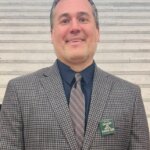
Christopher Oldi has served as Executive Director of South Coastal Counties Legal Services since 2023. A graduate...

Danielle Chappell joined the Legal Services Corporation (LSC) as a Program Counsel in the Office of Program Performance...
| Published: | August 27, 2026 |
| Podcast: | Talk Justice, An LSC Podcast |
| Category: | Access to Justice |
Leaders of nonprofit law firms in Florida, Massachusetts and Michigan discuss the rise in consumer legal issues on Talk Justice. The Legal Services Corporation has seen that the number of consumer legal cases are growing across the 129 legal services organizations that it funds nationally. From 2024 to 2025, the volume of consumer and finance cases increased by nearly 14%. Attorneys at these organizations are helping clients fight fraud, challenge predatory lending or unfair debt collection, and navigate bankruptcy and other financial disputes.
Ashley Lowe:
They know they don’t have the proof. They don’t have proof of ownership. They don’t have proof of the underlying debt obligation, but it’s worth it because there’s small amounts. People don’t always fight it. Sometimes they just don’t go to court and they get all these default judgments. And so being able to stand up in court and say, “Wait a minute, that’s not okay.” Sometimes that’s all it takes.
Announcer:
Equal access to justice is a core American value. In each episode of Talk Justice, an LSC Podcast, we’ll explore ways to expand access to justice and illustrate why it is important to the legal community, business, government, and the general public. Talk Justice is sponsored by the Leader’s Council of the Legal Services Corporation.
Danielle Chappell:
Hello, and welcome to Talk Justice. I’m Danielle Chappell, LSC Program Counsel, and your host for this episode. Today, we’re talking about consumer law. Across the 129 legal services organizations, LSC funds, consumer and finance cases increased by 14% from 2024 to 2025, reflecting mounting financial pressures on low-income Americans. Civil courts are also experiencing an influx of these cases. Consumer debt issues can be things like medical debt or other debt collections that lead to wage garnishment. It could be home foreclosure or bankruptcy. These issues can affect anyone, but LSC is especially seeing them impact seniors on fixed incomes, people who are disabled and receive SSI disability, and families with children. Often these are people who are already in precarious financial situations who are further strained by their consumer issue and they’re making impossible choices like between paying bills or buying groceries, and they certainly can’t afford to pay for a lawyer to help.
Today, we want to talk more about this. We want to go beyond statistics, beyond numbers, and really talk about what is behind these trends. How are the legal needs of low-income Americans evolving? What are legal services programs doing to adapt? And why are these issues so crucial to address? I’m thrilled today that we have three guests. Joining me are three executive directors from legal services organizations that have all seen significant increases in consumer cases over the past three years. We have Ashley Lowe, the executive director of Lakeshore Legal Aid in Michigan. Welcome, Ashley.
Ashley Lowe:
Thank you.
Danielle Chappell:
Leticia Medina Richmond, the executive director of Florida Rural Legal Services. Welcome, Leticia.
Leticia Medina-Richmond:
Thank you for having me.
Danielle Chappell:
And Christopher Oldi, the executive director of South Coastal Counties Legal Services in Massachusetts. Welcome, Christopher.
Christopher Oldi:
Thanks so much.
Danielle Chappell:
Thanks to you all for being here, and I’m hoping we can just have a conversation today about these important issues. So first, when you hear consumer debt or debt collection, we kind of hear these broad terms, but it’s not always easy to understand what that involves. So what I was hoping to do is start off by talking about the people, the people who are impacted by these issues. And some listeners may not understand what consumer debt is, or they may come to this topic with the idea that consumer debt issues only happen to people who have made irresponsible financial decisions. You’re on the ground, you have programs with advocates who are helping people every day. What comes to your mind that would add some nuance to that perspective and help people understand who is affected by this? Ashley?
Ashley Lowe:
So one of the things that I have learned in paying more attention to these consumer cases is that it’s often a crisis situation and a complicated system. And those two things together end up creating significant debt for somebody even when they’re trying really hard to do all the right things and they’re willing to pay what they owe. So it’s not like they’re trying to shirk debt, they’re just trying to pay what the appropriate amount is. So for example, a client came to our office about an ambulance bill that was more than five years old, and she had incurred this debt when her son was on life support and they moved him from one hospital to another in an ambulance. And you may not know this if you haven’t ridden in an ambulance, but ambulance companies don’t bill insurance. People don’t get into an ambulance and hand them their insurance card, so they just start billing.
But the client did what she needed to do. She gave her insurance information. She tried for years to figure out the bill, but they kept misspelling the son’s name or misconstruing the numbers. And so anyway, she was never able to get this debt resolved on her own, and the ambulance company sued her for collections about five years later for $1,700. And she agreed that she owed 10% as she would’ve paid under her insurance policy. And so when the Legal Aid attorney represented her in that collections action, we were able to negotiate with that company and just get her to pay that 10% that she was willing to pay. She was willing to pay it all the way along, but it was the system and really a situation in her life that kept her from jumping in right away because she had this child who was experiencing a really serious medical situation.
So I think recognizing that without an attorney to help explain her rights and negotiate, she would’ve been in a much more difficult situation.
Danielle Chappell:
Thank you for that. And I think you make some great points that it’s related to sometimes related to a crisis, sometimes related to people not understanding, willing to pay, but not knowing how to navigate through the system. So thanks for that insight. Leticia, what about you? Does anything come to mind?
Leticia Medina-Richmond:
Absolutely. I think when Ashley said a crisis in complex systems, one of the things that I thought about was people who survive disasters. So some of the work we do is around disaster survivors, tornadoes, hurricanes, and so people have this really impactful thing happen in their life. Often what we see is there’s damage to people’s homes. They’re desperate to figure out how do I get this fixed as soon as possible because I’m staying with my sister, I have to rent an apartment, I have no roof. And so they’re really trying to navigate a system of getting repairs done when all of their neighbors are also trying to get repairs done. And so what has happened in many parts of the country during these disasters or in the aftermath of these disasters is scammers come in and they promise repairs and they promise them quickly. And so people sign up and then they find out later on that the person doing the work isn’t licensed in their state.
They’ve come from some other state or they’re doing shoddy work and by the time they figure that out, now somebody wants to put a lien on their house because they don’t want to pay for this shoddy work or they disappear and so they don’t finish the work and now they’re out $15,000 or $20,000 of money that they’ve put down. And especially if somebody then comes back and puts a lien on the house, it ties up for most of our clients, the major asset that they have in their life. They can’t sell it, they can’t get repairs done to it because they’ve given money away, and now they’re in this position where somebody’s demanding money for work that was not ever completed or wasn’t completed properly. And so now they’re stuck because they don’t know where to turn. And because these were scammers to begin with, they’ve disappeared.
There’s no one to chase down to try to get the money back and they have no idea where do I start to get this lien taken off my house?
Danielle Chappell:
Right. So already their home is impacted by a disaster and then the stress of having to try to fix that and have a scam, they’re vulnerable and then even more vulnerable. Thank you for that, Leticia. Christopher, what comes to mind for you?
Christopher Oldi:
Thinking about the vulnerability of clients, we had a unique case that came to our consumer unit. Client was a minor and she had been in a car accident where her sister and her mother were tragically killed. She survived and she was able to get various insurance proceeds and it amassed about $400,000 in a trust to be able to use throughout the child’s life. And her aunt and her uncle were appointed as conservators over the trust. Sadly, the aunt and the uncle used the trust funds for their own personal and business gains. And around the time the client was about to come out of the conservatorship, like about six months before she turned 18, there was no more money in the trust. Basically there was a hundred dollars in the trust and the aunt and the uncle actually petitioned to no longer be conservators of the trust.
So a court appointed a conservator, realized that all of this trust monies were gone and was able to attach a pre-judgment lien on the aunt and the uncle’s property. At that point though, the aunt and the uncle filed for bankruptcy. Chapter seven bankruptcy really as an effort to discharge that lien that was now against the property. The court-appointed conservator was not that familiar with bankruptcy litigation, reached out to our consumer unit, they jumped in. Frankly, our consumer unit had to really dig deep to do the research. They talked with mentors to try and figure out how can we ensure that this child is not going to look at the rest of her life and not have those funds to be able to successfully live out that life. So they filed various motions and they were able to, through the litigation, get a $250,000 mortgage on the property that will never be discharged in bankruptcy court.
And certainly once the aunt and the uncle sell the home, that money will then be given to our client. In addition to that mortgage and to that lien that’s not going to go away, even if they file for future bankruptcies, et cetera, we negotiated a monthly payment that the aunt and the uncle will be paying towards our client for really restitution for that unlawful embezzlement really of that money from that client. So again, a really unique situation that really was outside of the scope of the kind of core work that we do in the consumer unit, but clearly was a vulnerable person who was dealing with a bankruptcy areas of law that certainly not only she as a minor didn’t know, but even the court appointed attorney wasn’t even sure how to go about doing it. And working with the court appointed attorney and conservator was able to really have a very positive benefit for this client.
Danielle Chappell:
Great. Thank you, Chris. Thanks to all three of you because I think your examples really show that consumer can mean different things. And Ashley, you talked about a medical emergency and Leticia, you talked about a victim in a disaster and Chris talking about a vulnerable child. All of these people were impacted and had to deal with consumer law issues and there’s such variety there and such vulnerability. So thank you for bringing that to light. And you talked some about your programs and the legal work, but let’s talk a little bit more about that. What kinds of legal protections exist for people that would prevent wage garnishments and some other consequences of consumer issues that Legal Aid can step up and enforce? How can programs help people? Leticia, what comes to mind?
Leticia Medina-Richmond:
So the federal government has, and many states have decided that certain forms of income are protected from collections. So things like social security income, veterans benefits. In certain states, the states protect their own state benefits. In Massachusetts, in Florida, there’s a homestead protection on your primary residence that protects it from creditors. And so all of these things are designed to help people continue to be able to pay the basic necessities. And certainly there are protections in collection actions as well where head of households might have exemptions because they are providing the majority of the support for their family. And so certain parts of their income, the car that they use to get to work. So these are things that exist within the legal realm to protect people from having their basic necessities impacted by collections and garnishments. And it might be for money they genuinely owe, but at this point in time, the choice is do we make somebody destitute so that they can’t even eat or pay their rent or do we continue to have a creditor wait to be paid for what they’re owed?
And a lot of people don’t know that they have those protections. And so having an attorney educate them on what can and can’t be collected. And many judges, they enforce these things on their own. They know the law. Some judges still try to convince people to enter into payment plans even though they know they have exempt income. And while the judge can’t order a payment from that source of income, somebody could voluntarily agree to pay from that income. So educating people and helping, being able to represent them in these actions to remind both sometimes the courts, often the attorneys on the other side of the case who are as well aware of the protections that exist, that these protections exist for a reason so that in this moment in time when somebody really is not able to both pay on a debt and pay their daily expenses, they don’t have to make that choice.
Danielle Chappell:
Thank you. Ashley?
Ashley Lowe:
So as the number of consumer cases have come up that are coming in our doors, our attorneys have tried to get more creative in ways to kind of push back against unfair debt collection practices. And one of the things that is another part of our work is we are one of the providers for the right to counsel on eviction cases in the city of Detroit. So there’s a lot of crossover in our work between the eviction work and the consumer protection. So some of our attorneys have started filing actions under the Federal Debt Collection Practices Act, and that is a way that act is used to protect people from creditors who don’t have the authority to collect on a debt or improperly collecting. So what happens is sometimes a landlord and their attorney will file for non-payment of rent in an eviction case. They get a judgment, they get a money judgment, and then that landlord’s attorney goes to collect that money judgment against the tenant.
But often that attorney didn’t do what they call due diligence to ensure that it was a valid debt. So the underlying case might’ve brought an action for $10,000 in back rent when the client really only owed 2,000, or there might’ve been no proof that the person actually owned the property that they’re bringing this action about. So there’s all kinds of gaps. Maybe they’re not compliant with the building code, maybe not following the rental ordinances. All of those things mean that it may not be a valid debt. And if the landlord’s attorney hasn’t done the work that they need to do to ensure that it is, then they can be subject to this Fair Debt Collection Practices Act. And in these cases, we’re able to get attorney’s fees and some sanctions against those attorneys who are really aggressively going against tenants to try to collect these amounts that may or may not be due.
We have in some cases where they were really egregious and there was a lot of activity, referred cases to the attorney general and they’re looking into those cases right now. So what we’re hoping is sending that message to the landlord’s attorneys that it’s fine if you want to represent somebody who owes back rent and you need to collect that back rent, but you have to do your due diligence and make sure before you go to collect that debt or there will be sanctions and there will be cost to pay.
Danielle Chappell:
So I want to pause for a second. Leticia and Ashley, you both brought this up, so I’m going off script a little bit, but I heard both of you say this. It’s sort of a situation where everyone else in the room sort of knows what that person’s rights are, but that person might not understand their rights. And so a gap there, is that accurate for me to say that? What are your thoughts around that?
Leticia Medina-Richmond:
I think absolutely. I think that’s part of what we’re talking about when we’re talking about access to justice is if you have two pro se parties who don’t have attorneys and they’re before the court, the court knows what their legal rights are and hopefully will rule in accordance with the law. But what the judge can’t do is advise people. And so if they have somebody in front of them that could do better if they just said certain things or brought certain pieces of information, the judge isn’t in a position to tell them that. All the judge can do is make a decision. When you have one side that has an attorney, that attorney also knows what the law is, but their job is to represent the side that they’re hired to represent. And so they also can’t advise the person without the attorney. And even if they are ethical in their practice, they’re going to do the best they can for their client because that’s their job.
That’s all of our job is to do the best we can within the ethical boundaries that we practice in for the client that’s before us. So that is part of the gap, that’s the access to justice gap is understanding that lawyers are trained to know certain things that most people don’t need to know until they’re in court for something. And at that point, there’s just no way to know it all. There’s no way for us to know it all, nevermind a party in a case that doesn’t have an attorney.
Ashley Lowe:
I think there’s an extra piece there too, is that there are some bad actors. There are attorneys who are taking advantage of the situation that people don’t know their rights. So actors who are going out and buying up a bunch of debt and then have attorneys who file actions when they know they don’t have the proof, they don’t have proof of ownership, they don’t have proof of the underlying debt obligation, but it’s worth it because there’s small amounts. People don’t always fight it. Sometimes they just don’t go to court and they get all these default actions, judgements. And so being able to stand up in court and say, wait a minute, that’s not okay. Sometimes that’s all it takes. Sometimes we just have to file an appearance and they dismiss the case right away because that wasn’t in part of their decision, wasn’t we don’t want to spend money on fighting these actions.
We’re going to go where there’s the low-hanging fruit and we’re just going to grab that what we can. And when lawyers come in, it changes the dynamic.
Danielle Chappell:
Thank you. Chris. I’ll
Christopher Oldi:
Just add to that and then I’ll talk a little bit about some of the things that South Coastal Counties is doing maybe unique in that sphere, but that’s why I think that all of our organizations really want to make sure that we’re doing as much outreach education as possible to give as much kernel of law to those individuals to empower them so that they understand, as Leticia said, that their income is exempt from being able to be garnished. Just having that one piece of information could actually change the trajectory of how they’re going to buy groceries that month, and that is really important. So making sure that all of our attorneys and our paralegals and our legal professionals are being able to be out there. And I think all of our organizations as well are producing materials to be able to give out to the community since none of us can represent everyone, but we also know that just a little bit of knowledge can be power in addition to obviously representing the client too.
But in terms of thinking about the client holistically, and I think that’s what my organization does, and I think most nonprofit legal service organizations, one of the things that we’ve seen an uptick in terms of what our consumer unit is looking at are people buying cars that are lemons from likely bad actors that are selling cars that are not able to pass inspection and then they go back and we’ve had this happen multiple times. They buy it either from a dealership or maybe off Facebook Marketplace and then they can’t pass inspection and then they go back and say, “You sold me something that can’t pass inspection, make these repairs. I’m not going to do that.” And very often they don’t do that, they get ghosted, what have you. And so our team has created a little bit of a niche to go after those bad actors in various ways so that someone, our clients, many of them are working and they need to get to work in order to be able to continue to get the little income that they are getting to be able to survive.
And in an area like Southeastern Massachusetts where public transportation is spotty at best, not that integrated into the fabric of the society, needing a car is really essential. And so I think I really applaud my consumer unit for really thinking about what are ways that we can use consumer law to be able to protect our clients not only from bad actors, but being able to help them with their basic necessities going forward.
Danielle Chappell:
Thank you, Christopher. So you told us a little bit about protections. You all talked about the protections that are in place if people know about them. And it’s clear from what you started to share that having a lawyer is so powerful and can make a difference or having people know their rights is so powerful. And Chris, you just referred to your staff and to the people at your program and to all of these programs who are working so hard. People facing things like debt collections and bankruptcy can’t afford to pay for an attorney and your organizations fill this gap by providing legal assistance at no cost, but you’re very busy handling many types of civil cases, doing the best that you can, helping as many people as you can. And there’s been this recent increase in consumer. So how are your programs making room for this increase in consumer legal cases?
Ashley?
Ashley Lowe:
Yeah, so I mentioned the eviction cases. I think for most legal aid programs during 20 to 22, even in 23, our eviction case numbers were super high. There was so much work around to prevent evictions and funding to help us do that work. And both of those have gone down. All of us had experienced a somewhat decreased funding to support that work and there’s not as big of a crisis in the eviction world as there was at that time. Not to say there isn’t a crisis, but that has made more space. It’s made more space for other calls to come into our hotline, for other clients to walk into our offices and ask for help. And so that’s one thing that has allowed us kind of increased capacity is just reduced demand in other areas. We’ve also increased our training to our staff so that when these cases come in the door, our staff are more well-prepared to handle them effectively.
We’re working with a national program right now where our staff participates in regular trainings and task force meetings, so they talk about best practices, best ways that we can handle things to help clients the most. And I think the other thing that a lot of states are doing is trying to change their systems. I talked about systems being overwhelming and to the extent that we can make changes in those systems, we can help so many more people. Michigan has a Justice for All Commission, and one of the things we are trying to do is make our court processes and our court forms more understandable and help explain to people who are in the court system, “Oh, this is what’s happening in your case.” So right now in our debt collections cases, if somebody is being sued on a debt, they get a summons and complaint, which is a first notice, and if they don’t do anything, they get a judgment and now they have to figure out how to set aside that judgment or soon they’ll be collecting on that debt.
The process soon will be that there is a summons and complaint, and even if the debtor doesn’t file an answer, there is still a hearing set. And that means that the debtor can come in and explain their situation, “Hey, I didn’t owe this. They don’t even own this debt,” whatever it is. And they get a chance to connect with a lawyer and present their case so they are not digging themselves out of a hole of a judgment. So systems changes like that, as much as many of us respond to the clients who come in and are facing a situation we need to help them with, learning from that and looking at ways that we can change our whole system can really move the needle in terms of how people experience the justice system.
Danielle Chappell:
I love that. And I love how you talked about how it provides space, that there’s a hearing where someone can come in and explain their story instead of the process just rolling past them and that if the system changed, that space would be provided for so many more people. Yeah. Chris.
Christopher Oldi:
We don’t have that situation yet in Massachusetts, so we are trying to capture the people that are rolling through the court system. And part of the way we do that is we have a Lawyer for the Day program in two different courts in which we have an attorney and sometimes an attorney and a paralegal that are situated in the court. So if someone’s coming in with a court case who maybe hadn’t heard about South Coastal Counties before, they’re seeing a physical face there. In that situation, the attorney that generally goes to a lawyer for the day is very willing and happy to jump in and say, “Let’s have a trial on this case,” because so many times the people that are bringing the court action don’t know where the debt came from or maybe it wasn’t served properly. There’s more defenses than we think of.
And just by saying that there’s an attorney there and they’re going to go into court, we are able to get dismissals or at least be able to get more satisfactory settlements. So really being in the court and having a relationship with the court, they know that we’re there, it’s a partnership with the court, is able to make sure that a lot of people that are coming through the doors who didn’t think that an attorney was feasible for them actually have one and their case could potentially be dealt with on that day. So I think that’s a way that we’re trying to get into the community and assist those people. But also we’re trying to leverage volunteers. We have increased the number of bankruptcy clinics that we are doing with the organization. And so our pro bono unit, really going out to the community, finding volunteers who are willing to assist people with bankruptcy chapter seven petitions.
We’re trying to do at least a quarterly clinic where we bring people in with volunteers. We receive some funding to get additional laptops so everyone can work together, get their petitions all situated with the assistance of counsel, and then they can file on their own. And we keep in touch with those clients to make sure that they’re doing things successfully. And if it’s a more complex case, we’ll try and use volunteers to actually directly represent those clients. And so we’ve had some success in trying to get volunteers to be able to leverage the great work that’s already happening in the consumer unit to build out with volunteer support.
Danielle Chappell:
I like how you talk about leveraging resources and also having people in the community, either at the courthouse or having volunteers going to where people are. And your advocates, I’m sure, are working really hard, so that’s great. Leticia?
Leticia Medina-Richmond:
We have been doing some consumer related education in the community with different organizations that also talk about things like financial literacy, understanding credit, and then our attorneys are talking about things like collections issues, what your rights are when you have collection issue garnishments, bankruptcies, those both from the beginning of debt to what could happen if something goes wrong, because a lot of people who have consumer debt are not financially literate. They don’t understand how credit cards work. They don’t understand the interest rate on a credit card and what that means over a period of time. And so educating people so that they do understand these things can help them make better choices so they don’t end up owing debts that they can’t pay in the future. And I think we’re also looking at making sure that when we are interacting with clients, we’re doing it in a way that adds value so that we’re not spending our human resources working with people that we can’t help because the law just doesn’t favor what their situation is.
So the law has its limits. And so being able to create informational, whether it’s brochures or things on our website so that people who have cases that really there’s not a lot that can be done for them because the facts in their case are poor. They still have information about what’s the court process going to look like, what’s going to happen, what options do you have in this situation? And then the people that work for us are spending their time working with people that we might be able to change the outcome of their situation. So just keeping a mind toward where can we add value and how can we make the most of our human resources so that we are having as much impact as possible.
Danielle Chappell:
I think that’s great, just assessing needs and providing different resources in different ways. And you spoke about the power of education and letting people know what their rights are. Thank you. And I’m sure people are working very hard in your program and all of the programs just to get the word out there. And so let’s talk a little bit more about your program’s work. What has your organization’s work in these areas revealed about the needs of the low income Americans in your area? Leticia?
Leticia Medina-Richmond:
So I’m not going to say anything super earth shattering when I say that the cost of everything has gone way up. And Florida, many people think about Florida as paradise. It’s a place to go to vacation, to get sun and fun. And a lot of people have decided that they want that for a longer term. And so a lot of people move into Florida who come from colder climates, come from places where the cost of living and the wage that they can command is higher and they have more money to spend than someone who may have worked and lived their whole life in a small county. And so the end result The cost of housing goes up because the power. If you can spend more money on housing, sellers are going to raise their prices. They’re going to get the best deal they can. And so people who are in the state, who’ve been in the state are continually finding that they’re being priced out of their own markets.
And then Florida is a state that has a lot of people that live here part-time. So they buy houses that they live in for four or five or six months, and then they go back to the state they came from or the country they came from when it’s warmer in where they’ve come from. And so now you have housing stock that’s being used part-time. So it’s not available for people who live in the state full-time. And I think those two factors have not made it easier. And then the price of food has gone up, the price of fuel has gone up, price of utilities has gone up. And that’s true pretty much everywhere in the country. But when you add that to now there’s less housing available and what’s available is priced higher, it’s really, really, really pinching people in a way that I think is different in the last 10 or so years.
Danielle Chappell:
Ashley, what about the needs in your area?
Ashley Lowe:
So I think all these cases, these consumer cases really highlight how expensive and challenging it is to live in poverty. We had a client who couldn’t afford a vehicle and in order to move around in Detroit, you have to have a vehicle. So she would rent a car on occasion on a monthly basis. And she was in an accident when she was driving that rental car that was caused by the other driver in the accident. And because she had done what she should have done, which is sign the loss damage waiver where she paid a little extra for the insurance, she knew that the rule was that she just needed to get the car towed back to the rental car agency. And then she got a new car and that was the end of that discussion. Well, not surprisingly, it wasn’t. Years later, she was sued by the rental car company along with the other driver for just about $17,000 for that car that had been totaled in that accident.
And so Lakeshore, our attorney, was able to represent her in that case. They went to trial. It was ultimately the case was dismissed against our client and the other driver was held responsible. But if that had not happened, if that person had been on her own and trying to figure out the situation, I am a hundred percent sure they would not have dismissed that case. There would’ve been a judgment against her. And then she wouldn’t have had any of the ability to do the things she was doing going forward. So she would have bad credit. She wouldn’t have the ability to rent a car or purchase one. She would go nowhere in the city of Detroit or virtually nowhere without a vehicle, which means she can’t get her kids to doctor’s appointments. She can’t get them to school. She can’t get to a job. And she’s making those decisions, which we’ve all talked about here.
Do I pay my rent? Do I pay my debt or do I buy the medicine that my child needs to be well? And those are impossible choices to make. So the fact that somebody’s doing what they’re supposed to be doing and
One situation could create such a dramatic turn for their life that really could turn from living and surviving in poverty to disaster with one situation.
Danielle Chappell:
Yeah, good point. And it’s something small that wasn’t even someone’s fault could become so big.
Announcer:
Right.
Danielle Chappell:
Chris?
Christopher Oldi:
I think that when you say consumer law, most people maybe think about money and numbers. Of course, that’s true. That’s a lot of where it starts. But I think that what we’re seeing and what we’ve talked about is a lot of the humanness that’s behind whatever that number is. So for example, our team has certainly worked with a number of DV survivors in which their abuser has taken credit cards out in their name, made them an authorized user on a credit card, and then all of a sudden they have thousands and thousands dollars of debt that they didn’t even know about. And then all of a sudden the creditors come knocking at the door and potentially there’s also physical violence on top of the financial abuse. And so working with those clients, working with the credit agencies, trying to make sure that we can really get someone back on track when potentially the debt was not even of their own doing.
But another example is working, we had a client who was in recovery and she had about $80,000 of debt and we worked with that individual to file for chapter seven so that she can have a new start in life and a fresh start as she’s trying to work on being sober for her future. And that’s a really important case that I really want to highlight because we are looking at the person holistically, not just about the numbers, but what can we do to really impact that individual with the resources that we have?
Danielle Chappell:
Thank you, Chris. And Brent, thanks for bringing up these layers that you could be a survivor of domestic violence and you have to deal with debt or you could be trying to start a new life after living with substance abuse and then dealing with debt and having that as a barrier. And thank you for reminding us that these are people, we’re talking about people. So money and people, but people.
Leticia Medina-Richmond:
And something we see, and this is everywhere, but in Florida there’s a very high population of retirees and many of them are on fixed incomes. And when I started my career almost 30 years ago, I was doing elder law. And when older people have lived their lives in a fairly independent and responsible way, they don’t always feel great about things like bankruptcy or being told, you’re judgment proof because they’ve paid their way their whole life. They’ve raised a family, they’ve had a home, and now they’re in a situation where somebody is trying to take what little they have left and there’s a huge mental drain on them. To say your judgment proof doesn’t take into account sometimes the strain of having collectors call and call and call or feeling like you’ve gotten to a point in your life where you live responsibly and now because of something, you’re in a position where you’re going to leave a debt out there unpaid.
And just accepting, I think part of what we do is really help people understand that these protections are put in place for a reason because you can’t do everything by yourself all the time. But it does, it creates a huge strain on people to have these kinds of actions out there and not know what’s going to happen. And being able to explain to people what the protections are and why they exist and that it’s okay to take advantage of them is another part of just recognizing people’s humanity and working with them and understanding people have different concepts of what it means to be responsible and trying to address that while also offering them help out of a situation that they find themselves in.
Danielle Chappell:
I think that’s a great point. And just the point about mental strain and people who take a lot of pride in being able to do this, that, and the other, meet these deadlines, pay this bill, I’ve lived this long life and then feel like they’re getting all of these phone calls. And yes, our programs are full of lawyers, but also people that have to help people balance that mental strain and understand that it’s not their fault, that they do have rights. Thank you, Leticia, that’s a good point. Well, I want to thank all three of you. Thank you to Leticia, Chris, and Ashley for joining us today and sharing incredible insights into these issues and your critical work. Thank you to your programs, to the advocates who work so hard, paralegals and staff attorneys and managing attorneys who are helping clients and good people every day.
And thanks to the listeners for tuning into this episode of Talk Justice. Be sure to subscribe so you don’t miss an episode.
Announcer:
Podcast guest speakers’ views, thoughts, and opinions are solely their own and do not necessarily represent the legal services corporation’s views, thoughts, or opinions. The information and guidance discussed in this podcast are provided for informational purposes only and should not be construed as legal advice. You should not make decisions based on this podcast content without seeking legal or other professional advice.
Notify me when there’s a new episode!
|
|
Talk Justice, An LSC Podcast |
Join us as we explore innovative ways to expand access to justice, bringing together legal experts, technologists, business leaders, community organizers and government officials for thoughtful conversations about ending the access-to-justice crisis.