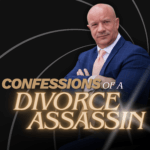
Guest Dawn Post is a warrior in the battle to strengthen child protection laws and combat adoption system failures and flaws in the “troubled teen” industry.
|
|

Dawn Post is a litigator, counselor, instructor, and mediator with more than 20 years in practice focusing...

Michal Rogson is a Vice President in the Commercial Department of Skyward Specialty Insurance Company, and is...
| Published: | March 24, 2026 |
| Podcast: | Litigation Radio |
| Category: | Access to Justice , Litigation |
Dawn Post is a litigator, counselor, mediator, and trainer who has spent her life in an area of the law she found largely overlooked: the legal rights and vital protections of children. Her career spans from adoption to parental and grandparental rights to sibling visitation and the darkest corners of child abuse, child trafficking, and the evolving “troubled teen” industry, issues she’s been combatting both in the U.S. and internationally, including the investigation of a troubled teen program in Jamaica that proved to be egregious and abusive, and without oversight or legal examination.
Now based in New York City, Dawn is an author and speaker with a single focus on the rights and best interests of children. She says flaws and oversights in the systems designed for child protection are rife, and she’s worked to network like-minded lawyers and organizations to improve systems and develop a child-centric environment.
When it comes to children and teens, especially adopted children, who’s looking out for their rights? What happens when adoption and foster services operate without proper guardrails and oversight? Who is looking at a situation from a child’s point of view? This is where attorneys can make a difference. If you’ve thought about putting your litigation skills to work protecting those who need a voice, this episode may inspire you.
Have a question, comment, or suggestion for an upcoming episode? Get in touch at [email protected] and [email protected].
Resources:
Children’s Rights Litigation Committee
American Bar Association Litigation Section
ABA Commission on Sexual Orientation and Gender Identity (SOGI)
Special thanks to our sponsors ABA Section of Litigation, Sovereign Discovery, and Relativity.
Michal Rogson:
Hello everyone and welcome to Litigation Radio. I’m your host, Mic Rogson. I’m an expert in litigation and fiduciary bonds with a background in insurance litigation, and I’ve been in- house for over 15 years now. I’m currently vice president at Skyward Specialty Insurance Company, where I manage their national court bond practice. On this show, we talk to the country’s top litigators and judges to stay abreast of developing trends in litigation and discover best practices in developing our careers and building a sustainable practice. If you’d like to stay up to date on future episodes, please be sure to subscribe to the podcast on your favorite podcasting app. This podcast is brought to you by the litigation section of the American Bar Association, which is where I make my home in the ABA. Not only is the litigation section an inviting and supportive community of highly talented litigators, it also provides litigators of all practice areas the resources we need to be successful advocates for our clients.
You can learn more at ambar.org/litigation. Today, we’re going to be speaking with Dawn Jay Post, a children’s rights litigator who unexpectedly found herself taking on a confounding legal issue. Dawn is a prominent New York-based children’s rights attorney, litigator, and child welfare expert with over 20 years of experience focusing on child welfare, broken adoptions, and sibling visitation. She is the founder of Themis Youth Law and Advocacy and a former co-borough director for the Children’s Law Center in Brooklyn. Welcome, Dawn.
Dawn Post:
Thank you for having me.
Michal Rogson:
I’m so glad that you’re able to join us today to tell us a little bit more about this conundrum that you’ve identified at the intersection of child welfare, immigration, and criminal law, which you’ve also discovered appears to disproportionately affect adopted children. I know that you’re actively involved in trying to help a specific group of children, and I understand that a story just broke today in the Haiti Times about a young woman that you were instrumental in repatriating. So hopefully you can walk us through how these children came to be in the situation they find themselves in and why it’s so difficult to provide them with legal assistance, at least here in the US. But before we delve into the legal quagmire that these adopted children that you’re trying to help find themselves in, I think our listeners would love to know a little bit about how you got involved with the issue.
How did you end up being a children’s rights litigator?
Dawn Post:
So I decided at the age of 10 to become an attorney for children. I grew up a little bit off the grid in the state of Maine, no TV, just a radio, and read a lot of books. So Perry Mason was a huge influence. And around that time, there was a fatality that was incredibly horrific in the state of Maine. Angela Palmer died as a result of the abuse that she suffered at the hands of her mother’s boyfriend. At the time, I thought if she had had a lawyer, she might never have been in the situation that she was in return from foster care to her parent. I decided then I was going to be a lawyer for children. Hell is for children by Pat Benatar at that time became an anthem. I made that my goal and trajectory. And so by the age of 16, I dropped out of high school to actually convince a college to accept me without my diploma to get it moving because I knew exactly what I wanted to do.
And by 18, I was interning with the local Pine Tree legal assistants and won my first case actually when I was 18. So that has been my trajectory my entire career. And so by the time I landed in New York City, I became a children’s attorney.
Michal Rogson:
It’s amazing to me that you had such a clear vision of what you wanted to do. I think most of us land in law school to some extent by default, right?
Dawn Post:
Right.
Michal Rogson:
I mean, in eighth grade, in fairness, in eighth grade, on my yearbook page, I did put ambition author and/or lawyer. So I had some sense, but not quite the clarity of vision that you clearly brought to your career. And that’s really incredible. So how did you end up focusing on adoption issues?
Dawn Post:
As a director or a co-director at the Children’s Law Center, I often had to attend citywide meetings. At that point, I had also been an assistant attorney in charge at the Legal Aid Society. And when you’re attending those meetings with other institutional stakeholders and talking about the issues in the court system, what was often being talked about was how do we make adoptions faster? Because the Adoption and Safe Families Act prioritizes adoption over everything and sets timeframes to get it done. And there are certain penalties that can happen around that. I was saying, wait a minute, we know that children are returning to family court. We see it every day. Why aren’t we talking about how to make them better instead of just speeding them through? And no one wanted to have that conversation. And so in 2010, 2011, I began a study at the Children’s Law Center looking at guardianship cases and ultimately ended up co-authoring a law review article, which we were incredibly fortunate to be able to get the opinions of judges through an anonymous survey, as well as other stakeholders, and was able to gather a great deal of information at that time about the issue where we saw children returning to family court, whether it was through delinquency, whether there was abuse and or neglect or guardianship.
Through that, I began see talking with more young people who are actually ending up on the streets and were kicked out of their adoptive homes. And so many people are not aware that when children are adopted, they often come with an adoption subsidy. That amount can range depending upon the needs of the children. But what may people may not realize is that subsidy continues to get paid even if the child is no longer living with the adoptive parent, even if the child is back in foster care. So for a state like New York, where the age is to 21, that subsidy could be paid for quite a few years where that adoptive parent has no custody or control or any desire to be that child’s parent, and yet they’re receiving money for that child. It took us seven years, but we just passed legislation in New York to be able to try to ensure that the money follows the child.
But the work that was done at the time that the legislation was passed showed that New York City was losing about $220 million or over $200 million with respect to this issue. And it’s the way that the federal guidance is written. So there was a number of issues that I was looking at and I began reaching out to other stakeholders to say,” Hey, what are you seeing? “Another law firm in New York City Lawyers for Children did a manual hand count of their cases and found that one fifth of their caseload that was 200 of a thousand clients where children were returned to foster care after being adopted, which is a really extraordinary number. And then Covenant House New York did their own study and found that 120 kids per year were ending up in their shelter system. So the numbers are far more significant and greater than people realize, but they’re not counted in any meaningful way.
So we can’t really see how big of an issue it is. So I’ve been speaking about this issue nationally and obviously locally in New York City for over a decade now. And it’s been a passion project of mine that has always drawn some of my work and focus to some degree, though now it’s become full-time, it seems, with the work of Themis.
Michal Rogson:
Well, so how did that lead you to the discovery of the unique legal challenges that are faced by children who are sent overseas for … I’m going to put it in air quotes. Nobody can see me, but that’s what I’m doing for education.
Dawn Post:
Right. One of the populations that I never really took a look at was the troubled teen industry, the so- called. And that’s primarily because of my own bias, because of who can be the face of the troubled teen industry. And so I was thinking that was a more white, private family matter, upper middle class issue. I was very, very wrong about that. And while I was in 2024, while I was doing some consulting and teaching, I was contacted about a situation in Jamaica where boys had been removed from one of those “therapeutic schools” and placed in the Jamaica’s foster care system, which shows you the significance of the abuse that occurred there. And I was told that three were adopted children of color whose families were not planning for their return to the United States. One of those children was the son of the former Republican governor of Kentucky.
It seemed really extraordinary that the Embassy and Child Protective Services was having difficulty getting them back to the United States. So I flew on my dime to Jamaica to try to assist in that process because every state is different. There’s a lot of hurdles and I completely failed and we were unable to bring them home. And after 60 days where their adoptive parents did not plan for their return to the United States, they ended up in the permanent custody of Jamaica. At one point, we were even talking about bringing them back under the Office of Refugee and Resettlement as if they were stateless, and these were American citizens. But while I was there, I learned of another facility in Jamaica that had over 160 adoptees from the US, and that really shocked me. And at the time, initially I was looking at it, what’s going wrong?
Is this a post-adoption services issue that we need to be really taking a look at? And so I began digging into the facility and the leadership and what it was, and came up with some very troubling and frankly, disturbing information. At that time, while I was on the ground in Jamaica, made the decision to start Themis Youth Law and Advocacy, filed the paperwork to get it going because those youth or the youth that I was interacting with at that time, I knew needed assistance, but I did it unfunded and started that nonprofit unfunded. And so the work has been largely self-funded to date.
Michal Rogson:
Wow. I love that when you see a problem, you just decide to do something about it. I mean, clearly since the age of 10, that’s a through line for you, no question. But I think it would be helpful to understand a little bit more about what these facilities are. I mean, why are they such a problem? Parents are having trouble with their children, want to send them to a therapeutic institution that’s going to take care of them. I’m not clear on why they would want to send them out of the country, but no doubt that’s part of the story. So can you enlighten us a little bit about what these institutions are and why they are so problematic?
Dawn Post:
Well, let’s first use the term therapeutic. What does that mean? And is this institution, and there are many in the United States, truly therapeutic. At the time that I was at a better childhood where we did class action litigation, one of the issues that we focused on in the state of Oregon were foster children that were being shipped out and actually being placed in these troubled teen facilities, up to $900 a day sometimes. And there are big umbrella organizations that their secret sauce, and they’ve stated this publicly to their shareholders, is maximizing their profit by keeping costs slow. That means having unqualified staff that are essentially warehousing children in these schools. And there have been a number of really horrific fatalities that have occurred due to restraints that have occurred in these schools. Shortly after George Floyd passed away as a result of being pressed down to the ground with a police officer where he was saying, “I can’t breathe.” A young boy in the state of Michigan at one of these schools had seven adults restrain him, a nurse standing by saying he couldn’t breathe and ended up dying as a result and all because he threw a sandwich.
And that was just a few months after George Floyd, but those kind of stories don’t necessarily make the news. So these troubled teen industry is really about making profit and making money. And what we’ve often seen is that when they close, they’ll reopen under different names and different leadership, but it’s a lot of the same people that are involved with it. As a result of the work that I started doing in Jamaica and began really looking at this issue, I came to understand that there were over 120 facilities in the United States that specifically market themselves solely for adoptive parents. And that was really surprising to me. What is even, and you had mentioned right at the beginning is why would they send them overseas? Well, it can be cheaper. And when the facility that I’m speaking about originally started, the cost was maybe around 2,500, though it’s changed and is much higher now, but adoptive parents find that to be more satisfactory than sending them to a facility here in the United States.
And what I found is they also may out of sight, out of mind, and that’s even greater truth when they’re physically not even in the country where they can potentially disappear them, but I’m jumping ahead because that goes to what happened with Haiti.
Michal Rogson:
We discussed the fact that these facilities are marketed as therapeutic, but we haven’t really talked about the kind of therapy or why parents feel that they need this kind of therapy for their children, which I think will also speak to why these kids end up in the troubled teen industry. And I have some familiarity with it. I assisted the Sogy Commission with the ABA in preparing a resolution that was passed prior to the Stop Institutional Child Abuse Act actually passing the Senate. So I have some familiarity with this. I actually talked about it in my last podcast, but I think that it’s important to communicate to our listeners why these kids end up in these facilities. What kind of behaviors are they exhibiting? And I think that probably also ties into why we see a disproportionate number of adopted children being sent to these kinds of facilities.
Dawn Post:
There are very few studies that actually show how many adoptees are in the troubled teen facility. There is one wilderness camp study which shows that 30% of the youth are actually adoptees, which is grossly disproportionate to the actual adoption population in the United States, but anyone that I ever speak to about their lived experience will always share that the majority, it felt like, if not all, were adoptees that they were with. I want to emphasize that this isn’t just about the troubled teen industry. USA Today, a few years ago, did their own deep dive into the federal data set AFCARS. And through that data investigation, they were able to track between a certain time period that 12 children per day were returning to foster care. I think that’s an undercount in the United States because there’s no way to really capture this information in AFCARS.
And so the way that they were able to find that information is not through just simply running through the system on a specific question. And so I think it’s a severe undercount. So all of the situations I’m talking about where adoptees are no longer living with their adoptive families, whether they’re in a new guardian, whether they’re couch hopping, whether on the streets, whether their adoptive parent refused a plan for them, if they were facing a delinquency charge, or if they’re being placed back in foster care or privately in a facility, I think that the reasons span all of that. And during the study that I ran in 2010, 2011, I looked at the issue of why are children returning to family court? And the article was called Revolving Doors of Family Court. And some of the reasons that I discovered were that you had older adoptive parents adopting from foster care that did not want to deal with a teenager, that normal adolescent behavior often became pathologized.
What we also saw is that death or infirmity of the adoptive parent was a significant issue for the population that I looked at, and there were sometimes abuse and neglect allegations. However, for the most part, it seemed to center around lack of education around the young person’s needs, but also lack of education about normal adolescent development and what you might see at the time because all the youth that we were seeing that were no longer in care, it generally happened in the preteen, early teen years.
Michal Rogson:
Well, so if I’m understanding you correctly, a perfectly normal, or I should say a perfectly normally misbehaving teenager could find themselves in this kind of facility because the adoptive parents were not prepared for what was involved in caring for a child that age.
Dawn Post:
Correct. In one case that I participated in New York City where a 14-year-old was being taken in by a new guardian, and we had filed actually for child support in a way to get the adoption subsidy to be able to follow him. Questions were asked of the adoptive parent, “What medication does he take?” And she had no awareness of his diagnoses, of his medications, but she had also been his foster parent. So this should not have been a surprise to her at all. I also believe that there’s a significant issue around stereotyping when it comes to adoptees, and that people are ready to believe the worst of them as foster and adopted children, so they may not be believed if they disclose something or when the adoptive parent is complaining about something, they automatically might think, “Well, we ask so much of them and taking in this child, how can we blame them if things aren’t working out?
” And so one of the most significant issues I think that has come out of the work that I’ve done is realizing and trying to ensure accountability, because it seems like no one wants to hold adoptive parents accountable when they’re literally kicking them out on the street, but still collecting money for them. There are a lot of reasons why an adoptive parent may choose not to parent that child any longer. The facility in Jamaica is unique because of where its origin story in terms of where it came from. So it really is geared towards more the Christian fundamentalist communities. And so that facility, I think, would have different reasons of children being placed there than maybe just a regular facility here in the United States.
Michal Rogson:
I mean, that’s the facility that you’re focused on at the moment. So why don’t you tell us a little bit about that facility so that we can understand the challenge?
Dawn Post:
The facility in Jamaica is called Youth of Vision Academy, Yova. And when I began investigating it and looking up the leadership of Yova, I was able to trace them back to a school that was closed in the United States for the torture of children. That school was called Miracle Meadows, and it existed for a couple of decades. And towards the end, it was geared towards adoptives, becoming more of a specialist around what they called treatment around reactive attachment disorder, but it was allegedly a seventh day Adventist facility. They actually brought in staff from the Caribbean at very, very low or no pay saying that it was mission trips. However, what was actually happening is that over these two decades, incredible acts of abuse were occurring. This isn’t just in a few years time period, this was over the entire span of the school. And what would often happen is that when abuse, if it was disclosed, then the child was either sent away or the adult who may have been involved was sent back to the Caribbean.
What ended up happening is that three of the leadership at Yova all came from Miracle Meadows. One of them, Jennifer Alexis Codner, was acting capacity director for a few years. All three of these leaders that are currently at Yova allegedly were accused of specific acts of abuse, but they were also at least surrounded by abuse that was taking place at this facility. And the acts were so horrific that the settlements in that case for a little over 60 children have reached over a hundred million dollars.
Michal Rogson:
I’m curious, how did they discover the abuse?
Dawn Post:
The abuse was discovered when a young person was taken to the hospital and the nurse had suspected that the child wanted to disclose something and was able to get … And actually what had happened is that that child had drank bleach in order to make herself sick so that she could be transported away to be able to try to disclose to someone. Wow. But I should also say that this was a small community in West Virginia. People were connected to each other. So arguably, the community was certainly a little more aware of what might have been happening at that facility, and it wasn’t operating within a vacuum because there had been other times that the school had been investigated. However, in this particular instance, what they had discovered is that they were using the children for work crews. They were placing them in isolation and shackling them.
They were only able to peer defecate in a can in isolation. It was a small little hut, and this could be in any type of weather, and they could be there for days or weeks at a time that there was no real education at this facility, that there was sexual and extreme physical abuse that was occurring at this facility. So three of the leaders can all be traced back to working there, one of them allegedly, acting as a director there during the same time period that abuse was happening. And that’s incredibly alarming because what has now happened, and what you can see, is that all those abuses have now been exported to a country where there’s no oversight, licensing, or regulation.
Michal Rogson:
Not that there has historically been significant oversight licensing or anything like that here in the United States either. It’s one of the issues that have been consistently raised about these troubled teen institutions. And that’s why I was curious. So this child was able to get out, was able to let somebody know what was happening, and that initiated a state investigation, which is how the rest of the abuses were discovered?
Dawn Post:
Yes, I believe so.
Michal Rogson:
And as a result, lawsuits were filed. I mean, were the parents aware or unaware of these things? And you may not know the answers, but I’m just curious.
Dawn Post:
I believe that some of the parents were aware and that there had been attempts when children left maybe to be able to relay what had happened to them. But the leadership at this school often told parents that they’re all going to lie because they want to come home and you can’t believe anything they say and there became a certain rhetoric. And this is where the stereotyping and the culture around adoptees is really important to recognize because it can influence believing a young person when they are disclosing.
Michal Rogson:
Effectively, the scenario that we’re looking at, and we’ll explore the legal ramifications in a moment, but the scenario we’re looking at is parents adopt a child because yova, as you were saying, specifically targets adoptive parents and is marketed as a therapeutic institution for children with the reactive attachment disorder, many of whom are adopted children. So parents adopt a child with emotional challenges that they were not prepared to handle, some of which may be perfectly normal, average adolescent issues, but they were not prepared for it. It has been pathologized. They decide they need professional help. It is less expensive and also out of sight, out of mind to get these children into an institution overseas. So they send the child to the school, their child is subjected to these various techniques. They’re not in fact therapeutic at all. I don’t think I would find any of them therapeutic.
I’m certainly not going to pay a spa to do that to me, so it doesn’t fall under my definition of therapy.
Dawn Post:
What is important to recognize with this particular facility is the fact that it is a Seventh-day Adventist facility, and it markets itself specifically to Christian fundamentalist families. And so a lot of Mormon children are ending up there. What may be considered, and this goes even beyond normal adolescent behavior, it could be a young person, and I have interviewed someone who actually experienced this, that because they were listening to rock music, and it was secular, that that was a sign that they needed intervention. I’ve interviewed approximately 40 to 50 young people who have gone to yova. And what I’ve discovered is that oftentimes it went beyond normal adolescent behavior, that there were issues related to rigidity in terms of beliefs about adoption. About half are intercountry adoptees, the other half are domestic. And I’ll say it’s a white savior complex. And so you see these large Christian communities that would come together to say,” We need to adopt and help save these children from a third world country.
“They get them and say,” Well, why don’t you love me? I saved you. “And then seem shocked that the child doesn’t immediately attach to them. And through the work that I’m doing and running certain data points is that if a child, for example, had a disability and was diagnosed with autistic, then suddenly that may be a reason that they sent them away. LGBTQ kids were being sent away, and Jamaica is a very strict country with antisodomy laws. So there’s a variety of reasons why they may choose to do that.
Michal Rogson:
You said that you interviewed 40 to 50 of these children who have gone through the school. What do they tell you about their experience at that school? Was any of it therapeutic?
Dawn Post:
No, none of it was therapeutic. But let me take a step back because we have another player here. This goes to all of these children being diagnosed quote unquote with reactive attachment disorder. Now, reactive attachment disorder is a real diagnosis. However, where we saw the greatest numbers and where we really saw that diagnosis studied, and you may recall this, is during the Romanian orphanage era where a lot of kids had been adopted from Romania, and then it was discovered that they had been living essentially behind these little bars and in these little cribs with absolutely no social or physical touch, no interaction. And so reactive attachment disorder is real. However, what has happened is that the application of it is now you’re having people who are not qualified That are now saying that all adoptees are suffering from this. And in addition to that, some of the symptoms can mirror other things like depression and anxiety, which is really why you need a true professional in this area to be able to make that diagnosis.
So in my opinion, it is way overused. There can be attachment issues. The people who have been talking about it, and this goes to someone by the name of Foster Cline who ran an institution in Colorado called the Evergreen Institute. And he was well known for doing … Well, he became infamous in being connected with a fatality of a rebirthing ceremony where that occurred in 2000. And he was treating these children who had been adopted and talking about them in ways that they were going to grow up into sociopathic adults, and which can sound really scary to an adoptive parent. One of the people that worked with them was a woman by the name of Nancy Thomas. She is a self-proclaimed expert in reactive attachment disorder. She has no qualifications. She is a former dog walker. But has said that her experience working with Foster Klein and Con Watkins, who was convicted on that fatality that occurred, has made her an expert because she herself only treats killers.
And so she talks about adopted youth in really dark terms, referring to them as evil, referring to them as killers, saying that they’ll become sexual predators. And so her entire framework of her “so-called treatment” is all about dominance and confrontation and extreme control. And so her methods, because she’s the driving force in terms of the training that has occurred at Youth of Vision Academy, has really influenced the practices in addition to leadership that came from Miracle Meadows, who exported their own abuses potentially to the school. So in those 40 or 50 young people that I’ve spoken with, they talk about incredible abuses that have occurred to them. That includes social and physical isolation. They’re all instructed, you cannot make eye contact with each other, you cannot speak to each other because this, again, is a very rigid and very controlled environment. And so you’re not allowed to have any friendships.
You’re not allowed to even physically touch anyone else. What we also saw to control young people are food and water deprivation, allegedly. Extreme physical exercise. And what they called it is personal torture or black alerts where they’re all woken up in the middle of the night and then have to work out for eight hours at a time.
Michal Rogson:
So what happens to these children when they age out?
Dawn Post:
Well, the question is, do they age out? And so in my investigation, I’ve actually, I can identify off the top of my head, four young people that have been there over a decade. Wow. There’s a set of twins that were adopted from foster care. A boy and a girl have been there over a decade. And a young woman with autism from Asia who had difficulty communicating, but because the school and Nancy Thomas allegedly tell adoptive parents that rad kids are inherently unbelievable, that they’re liars, that they’re manipulators, that’s what the staff uses. And so a young woman with autism is getting punished because of her inability to communicate because of her diagnosis. So there’s no protections for if you have a disability. And most youth that are going to be going there as a result of trauma have been in foster care or an orphanage in a foreign country are going to come in with some trauma.
And so if they remained in the United States in a therapeutic or educational environment, they would be protected by special education law, the iDEA. But those protections don’t exist for them in this foreign facility. And so these abuses go unchecked allegedly.
Michal Rogson:
So you’re saying that they can just stay at these facilities beyond the age of 18?
Dawn Post:
What I’ve learned in speaking to a number of young people is that they were held and told that they had to work there. And so they were being … And for a few of the young people that I’ve interviewed, they were held past the age of 21. They weren’t paid while they were there. They weren’t given an opportunity to go out in the community to spend any money. No, they were allegedly being labor trafficked.
Michal Rogson:
For those who are released, are they sent back to their parents or are they not?
Dawn Post:
So many of these young people have had no contact with their adoptive families. Some of what Yova and Nancy Thomas may have said to parents is that because you were the subject of abuse by this young person, because it’s about the parent, you should cut off all contact with them. So many of these young people, if they make it back to the United States, are landing at the closest port of entry in Florida, so it’s either Fort Lauderdale or Miami, and told to go to the nearest homeless shelter. These are young people with no education, have been institutionalized for years, have no life skills. I’ve had at least two who’ve told me, how was I supposed to get a job when I didn’t even know what the difference in coins or the bills were because they had gone to the facility so young, but also to have normal human interactions.
You don’t have those soft R or hard skills to be able to navigate the environment. So they are being deliberately sent to environments that they could be subject to trafficking, but a significant number are landing in Florida and have had no contact with their adoptive families and are actually specifically told, “You cannot call them.”
Michal Rogson:
Well, and I think that takes me to our next segment, which is examining why it’s so difficult to get these kids legal help. And I’m thinking both for those who are in the institution and then for those who have graduated out, but find themselves without resources right after this quick word from our sponsors. Okay. So now let’s work backwards a little bit to understand the legal challenges that this particular scenario poses, both for the, like I said, for the children who are currently in these institutions or in this one institution, we can focus on that. It’s a much broader problem, obviously, but let’s focus on that. And for those who have graduated from it, but find themselves at a loss without the care and support of the adoptive parents, the US adoptive parents who had undertaken to care for them and then effectively shipped them off.
What are we doing? What aren’t we doing? Why aren’t we doing it? Who’s doing it better?
Dawn Post:
Interesting that you say who’s doing it better because Canada actually went and rescued their children. And there’s actually a findings that were made by a Canadian judge of a sibling group of three who had been adopted, where he found that Yova and its staff had violated international norms, that it violated the UN Convention on the rights of the child, that these children had been subjected to very specific acts of abuse and neglect, which were cited in his decision. So Canada has rescued their children, but the US has done nothing. And that’s not through lack of effort on my part because I have notified every state child welfare liaison. And when specific children come to my attention, I will contact the attorney general, I will contact state and county leadership, I will contact legislators or the disability community, disability legal services to say this is a disabled child.
Michal Rogson:
What are you asking them to do?
Dawn Post:
In a child welfare, my argument is that there’s a duty owed because this is a child from your state, but particularly if you’re saying, “Well, they’re outside of our jurisdiction.” And this goes back to the adoption subsidy. If an adoption subsidy is being paid to the adoptive parent, then arguably you have a duty to ensure that that is being used properly and that that child is safe. And here’s this Canadian court order that talks about how the justification that they used in terms of going outside of their jurisdiction to rescue their children, but child welfare won’t even have the conversation with me. So maybe 2% of my letters, I’ll get a email back and have had a conversation with someone in authority, but they’re usually just ignored. And so these children fall within gaps because the child welfare community is saying, “They’re not our problem because they’re not here and we got them adopted and we’re done.” The disability community is saying, “Well, special education protections don’t apply in a foreign country, even in a school.” I’ve also brought this to personal injury attorneys and said that we know these acts of abuse are happening, but they’re reluctant to touch it or to really take on the survivors as clients because of the fact that even though this is an American-owned, and this should have been emphasized at the very beginning, this is an American-owned facility incorporated in California, but all of its property is in Jamaica.
So personal injury attorneys, trafficking attorneys that would normally do these type of cases institutional abuse cases will not touch it because they believe that they’re concerned about money and whether or not they can recover assets. So the children are falling through all these gaps, which means no one is paying attention. And I’ve also, when the young people are landing in Florida, because some states there can be assistance up to the age of 21, I will also contact and say, “Do you have, for aging out youth, particular programs that might be able to be applied to this young person?” And this is one of the issues is that aging out youth often get a significant number of services, including assistance with housing, independent living, things that these adoptees need- And
Michal Rogson:
That’s if they age out of the
Dawn Post:
Foster system. If they age out of the foster system, but because they were adopted, they don’t qualify for any of that, but that’s what they so desperately need. So I contact the state and say, “Is there anything you could do? ” Most states will simply state, “No, there’s nothing we can do.
Michal Rogson:
” It sounds to me like you have really tried to explore any and all avenues of legal support that can be offered to these children. And like you said, either they’re falling between the cracks because they might’ve gotten these resources if they had remained in the foster system, but because they were adopted, they no longer can, or because they are overseas or because the institute is overseas, it is a disincentive to anyone to try to take on what might seem like a novel and Herculian battle for a state support agency. How did Canada do it differently? Did the court find or base its ruling on specific laws that facilitated the organization, the Canadian versions of these same organizations in taking action? What’s the difference?
Dawn Post:
No, they actually made very specific findings around the fact that, yes, this is outside of our jurisdiction and across borders, but our obligation to our citizen children does not end at the border and stretch that to say, “We will work with the embassy and local officials to be able to go and rescue our citizens.” There was one state that did attempt to, Iowa actually attempted to bring a young person back. They issued an order for temporary order of guardianship for another individual to take guardianship, but actually ended up issuing a temporary order placing the child in foster care and Jamaica refused to recognize the orders. And so even though there were credible abuse- On what grounds? No, they say, “We don’t trust US judges.”
Michal Rogson:
That’s an interesting ground.
Dawn Post:
Yeah. No. Who’s that? We don’t trust that they’re making good decisions on behalf of the children that have been entrusted in our care, so we’re not obeying it. And flat outut said that and in a very public way. I believe he’s actually quoted in a paper, Noel Reed, one of the actual incorporator in California and director.
Michal Rogson:
So what do you think needs to be done? I mean, do we need legislation? What’s the answer?
Dawn Post:
I believe that there … Jamaica, I will say, has an obligation here. Jamaica is a signatory to many conventions that the United States is not. The school is located there and they have as much of an obligation from a child protective perspective, from a disability law or social justice perspective, to be able an education perspective, to be able to do something about this school. They hold an obligation here as well. However, this is the biggest employer in that area, which I believe creates some conflicts.
Michal Rogson:
There’s an economic disincentive.
Dawn Post:
Yes, because they hire so many locals. I think that states need to take better action that when they find out about young people, I think that there needs to be changes within legislation. I think that there needs to be changes around sending kids across borders and having legislation that addresses that, that when, in addition to re-homing, when you sign over custody to a facility, that it is actually a licensed facility, that it has actually been assessed for the safety of children. And earlier we talked about that many are not particularly safe in the United States, but they’re under far greater oversight than they are in Jamaica.
Michal Rogson:
Well, part of what I don’t understand, and I am not a family lawyer and have never been a family lawyer, is parents fight over custody extensively when they are splitting up, but you’re telling me it’s as easy as putting a signature to paper to hand over custody of your children, as long as you’re doing it together, I suppose, to an institution in a foreign country and that
Dawn Post:
There are
Michal Rogson:
No laws against doing so.
Dawn Post:
Correct. That’s amazing too. Well, arguably, I do believe there are laws. I think that the re-homing statutes, which a number of states passed after the re-homing became much more visible in the public eye around 2013 with an article that was published by Megan Tooey, which talked about the re-homing through Facebook and other social media platforms and informal transfer of custody of children. So those states that passed re-homing statutes have laws, I believe, that would actually be applicable. However, the states that I’ve written letters to about this have not responded. In any event, I do believe that child welfare has an obligation and could take greater action. And I believe that there does need to be additional legislation, greater protections for adopted children, group services to be able to assist them when they are in this situation, because it’s certainly not just young people out of this facility that are homeless, that don’t have food and have no adult who can assist them because there are a lot of young people that are no longer living with their adoptive family.
There is this idea around adoption and people really want to believe in the forever family and the white picket fence and the success of that. And it’s hard for people to acknowledge that that’s not there and that doesn’t exist. People might say that I’m anti-adoption and I’m actually not. I’ve actually been a part of some really successful adoption cases. However, and this goes back to why I began this work in the first place is why aren’t we doing adoptions better and ensuring the safety of children after they’ve been adopted?
Michal Rogson:
Well, the focus of adoptions should be for the children, not for the sake of adoption numbers.
Dawn Post:
Right. And the argument is that, well, they stand in the shoes just as if they were a biological parent. We don’t intervene in families if there’s cause. However, if you’re accepting money on behalf of adoptee from the federal government, just as if you were getting social benefits and have to report back to the government, why aren’t we doing that with adopted children to ensure they’re safe after they’ve been adopted?
Michal Rogson:
I also think that’s such a throwback to the idea of children as chattel rather than autonomous individuals with their own sets of rights. There’s no question that a parent owes a duty to the child. I don’t necessarily know that that duty comes with a concompetent right to do whatever you want. And certainly there are protections in the United States against doing that, but the general ethos is parents should be able to make independent decisions for their children and the government doesn’t necessarily want to intervene. And I respect that, but we also need to protect kids from experiencing institutional torture and abuse.
Dawn Post:
The biggest issue around all of this that I see is just a complete lack of accountability. In that very first instance that I talked about where I went to Jamaica and those three adoptees of color who were placed in the permanent custody of Jamaica, you could not have had a clearer case of abandonment. They were placed in the permanent custody of a foreign country after 60 days because their adoptive family did not plan for their return to the United States. Because if it was a biological parent who failed to pick up their child from the hospital, and we see this all the time in child welfare or from an institution, you would be criminally charged. You would have also a child welfare investigation and potentially charges there as well.
Michal Rogson:
But the way to get around that is to abandon the children in a foreign country. Just take them on vacation and not bring them home.
Dawn Post:
Yeah. But the act of the abandonment arguably occurred in the state because you made the decision not to plan for the return of that young person to the United States. These children also may have some state involvement. There have been a number of cases I’ve looked at where judges have sent or have authorized the child being sent outside of the country under diversion agreements. Where is their obligation when it comes to a young person? Because I have found that out of sight, out of mind, and they’re just signing off. It’s astounding to me that judges are doing this because how can you have oversight in a foreign country and how can you trust what kind of facility this is?
Michal Rogson:
I mean, there should be at the very least annual accountings the way that you’re required to do in a guardianship, for example. You’re required to report to the court annually, generally.
Dawn Post:
But what I found is that there was no follow-up by diversion. And so at least in a few of the cases, they were held past the age of 18.
Michal Rogson:
I’ve got so many questions running through my head because if they’re held past the age of 18 against their will, shouldn’t there be a cause of action against the school for, what’s the term I’m looking
Dawn Post:
For? False imprisonment. Yeah. Thank you. And what they tell the young people is that American laws don’t apply here, or you have not graduated the program, so we have to keep you. I’ve been exploring the use of TPVRA in terms of looking at whether or not these young people are being trafficked and arguably whether adoptive parents are part of the enterprise or scheme of trafficking. And in my most recent case, and this just went public with the Haitian Times yesterday, in that situation, what I saw arguably was a conspiracy between the adoptive parents and the facility, not only to hold this intellectually and disabled young person past the age of 21 where she was forced to work without pay, but they conspired allegedly to disappear her back to her birth country of Haiti. And she didn’t even know the local language and they sent her with $300 and told her she had 30 days to find a place to live and to get a job to support herself.
Michal Rogson:
My heart goes out to the children who are living under these conditions, who have survived these conditions and now need to figure out what the rest of their lives are going to look like without any support. And our legal system has failed them. So I’m hopeful that this trafficking RICO approach, which is something that you can at least take on directly rather than trying to rely on organizations or state advocates who are admittedly limited. I mean, I have no doubt that most of these people are extraordinarily well-meaning. They are trying to take care of the children that are under their jurisdiction, and this may just seem overwhelming to them. I can only hope that as the issue gets more airtime and sees greater light of day, that some of them will come around, some of them will reach out, that you can help coordinate a different approach, especially now that you do have the Canadian decision to sort of turn to.
Dawn Post:
Well, I will say there are a number of ways that attorneys can assist if it’s a limited way in being able to take on a particular case or issue in their state because there are young people coming from every state, or is there just even being a think tank or a think partner or a research partner in this as we’re looking at, it’s a very unique issue and is there another ways that we can handle it? Or can you make a donation to be able to assist in the work, not only in terms of the legal assistance, but the emergency needs of kids, which I’m trying to cover every day.
Michal Rogson:
Right. Well, hopefully this podcast will help you reach a broader audience and possibly connect you with other lawyers and law firms who want to be part of the solution. If anybody wants to find you or reach out, how should they do that?
Dawn Post:
My email is [email protected]. I have two websites. One is themusyouthlawadvocacy.org, and the other is dawnjpost.com. And I can be reached through the websites or through the email that I just provided.
Michal Rogson:
Thank you again so much for joining us today. It’s funny because I can still see that idealistic 10-year-old. She’s still there. She clearly comes out and your passion and your drive and your willingness to see a problem and do something about it. Because I really think that that’s part of what being an attorney is for so many of us. We are problem solvers. It’s part of why we are drawn to this work and we do it in so many different ways and many of them are abstract. We encounter problems that maybe nobody else is going to care about except for us and the small group of attorneys who deal with that particular area of the law. You happen to be working in an area that affects all of us and you saw a problem and you are doing something about it, you are talking about it.
I thank you for doing that work. I know it cannot be easy. Is there anything else you’d like to leave our audience with?
Dawn Post:
Well, this has been a very, very dark subject and there are some success stories out there and I do have social media accounts where I talk about some of them and where a young person graduates from high school and she self-studied her own GED and that was after years of being in this program. So there are these small successes that I hold onto and to be able to remember that there is some success in this and it’s not always the big win, but there are these other ways that always count as a win.
Michal Rogson:
And that’s why we do the work.
Dawn Post:
Yes, absolutely.
Michal Rogson:
Good luck. Thank you so much.
Dawn Post:
Thank you for having me.
Michal Rogson:
And now it’s time for a quick tip from the ABA Litigation Section’s Mental Health and Wellness Task Force. I’d like to welcome Maritza Rodriguez of the Rodriguez Law Firm and a member of the ABA Litigation Section’s Mental Health and Wellness Committee, who’s going to provide a tip on how to go about spring cleaning our health. So tell us, Maritza, what should we be doing to proactively take care of ourselves?
Maritza Rodriguez:
Spring cleaning your health, making sure you’re scheduled. Spring is when we clean out our closets, we delete our old emails, and we reset routines. But the thing most of us don’t spring clean is our health. We take care of everyone else first, our clients, our coworkers, kids, parents, and we put ourselves last, usually until something breaks. So today I want to give you three simple systems to make healthcare automatic instead of optional, plus a few quick bonus tips that you can start using immediately because motivation can sometimes be unreliable, but systems actually work. Tip number one, tie your appointments to a life anchor. Behavior science tells us that we follow through more when we attach tasks to something that’s already happening every year. So try this. Schedule your annual physical or your dentist appointment around your birthday month or an anniversary. Schedule your mental health check-in or a therapy refresh at the start of spring or fall.
Now it’s not another task. It becomes a ritual. You don’t ask, “Should I schedule this? ” You begin to think, “Oh, it’s March. This is what I need to do. ” Tip number two, book the next appointment before you leave. This one is simple and it’s incredibly powerful. Before you walk out of your doctor’s office, your therapist’s office, your dentist’s office, schedule your next appointment. Why this works? You eliminate decision fatigue. You don’t rely on the future you’re remembering. It’s already on your calendar. The hardest step is done. The future you will be grateful. Tip number three. Create one annual health admin hour. Instead of spreading this out across the year, just batch it. Once a year, block an hour on your calendar and use that time to schedule your physical and your special visits. Use that time to refill any prescriptions, check your insurance coverage, and book your therapy check-ins.
Label it an annual health admin hour. One hour, once a year. It’ll be a massive return on investment. Now, let me give you a couple of extra bonus habits that make all of this sometimes even easier. Turn on automatic reminders. Use your patient portals, the calendar alerts, the pharmacy auto refills, so that technology carries the mental load and not you. Treat mental health as preventative care. Therapy isn’t only for crisis. Think tune-ups, not breakdowns. May Maintenance matters. Schedule during low resistance times. Try to schedule your appointments early mornings or during lunch hours so that way you can remove as much friction as possible from your calendar. Try to stack your appointments on the same day. If you’re already taking time off of work, maybe you can bundle appointments together. And you can just ask yourself, what would the future me thank me for scheduling this week?
Spring cleaning your health isn’t about perfection. It’s about choosing systems over stress. Your work matters, your family matters, your community matters, but none of it works if you’re running on empty. This spring, don’t just clean your house, clean up your calendar and put your help back on it.
Michal Rogson:
Marissa, thank you so much for sharing that and for being on the show today. And that’s a wrap on our episode. I’d love to hear your thoughts about today’s topic, and if you have comments or questions you’d like for me to answer on an upcoming show, you can contact me at [email protected] or connect with me on LinkedIn. You can also connect with the ABA litigation section on those platforms as well. But as much as I’d like to connect with you online, nothing beats meeting you in person at one of our next litigation section events. And our premier event for litigators is coming up soon. The 2026 Litigation Section Annual Conference is happening April 22nd through the 24th at the Hilton Boston Park Plaza. It will bring together top litigation professionals from across the United States to discuss timely legal issues and the latest in trial advocacy, litigation strategy, and case management.
This conference provides a unique opportunity to learn and interact with fellow litigators, as well as in- house counsel, academics, government attorneys, and judges. As always, discounted rates are available for litigation section members. Learn more and register at ambar.org/sAC2026. If you like the show, please help spread the word by sharing a link to this episode with a friend or through a post on social and invite others to join the community. If you want to leave a review over at Apple Podcasts or a quick rating at Spotify, that is incredibly helpful as well. And finally, I want to quickly thank some folks who make this show possible. Thanks to Michelle Oberts, who’s on staff for the litigation section. Thanks also goes out to the co-chairs of the litigation section’s audio contact committee, Haley Maple and Michael Stager. Thank you to the audio professionals from Legal Talk Network, and of course, thank you for listening.
See you next time.


Notify me when there’s a new episode!
|
|
Litigation Radio |
Hosted by Michal Rogson and Jim Reeder, Litigation Radio features topics focused on winning cases and developing careers for litigators.