

|
|
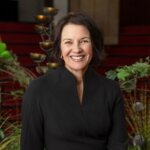
Bridget is a Cook County Circuit Court Judge and the 149th President of the Illinois State Bar Association. Prior to having...

Ann Keele is a shareholder at Hall Estill in its Tulsa, Oklahoma office after serving as Special...

Amanda Arriaga is Chair of the National Conference of Bar President’s 21st Century Lawyer Committee. She was the...
| Published: | April 6, 2026 |
| Podcast: | Leading the Bar |
| Category: | Career , Women in Law |
Strengthening relationships between the bench and the bar is essential to the health of our legal system and the effectiveness of professional collaboration, but achieving that alignment is not always straightforward. Building on their plenary session at the NCBP Midyear Meeting, Judges Bridget Duignan and Ann Keele join us to go into greater depth on strategies for fostering stronger cooperation within bar associations among both lawyers and judges. They emphasize the importance of engaging in bar service as equals, elevating peers into leadership roles, and remaining grounded in the mission and purpose of the association.
Later, drawing on their experiences as women in leadership, Bridget and Ann share their perspectives on the evolving role of women in the legal profession. They reflect on shifting attitudes, and offer practical ways to support and empower women in law. They also provide a thoughtful vision of effective leadership—one rooted in inclusivity, intentional space-making, principled neutrality, and a steadfast commitment to the oath and ideals of the profession.
To learn more about NCBP or to become a member, visit ncbp.org
Bridget Duignan:
We’re not designed to be political. We’re designed to talk about things. If we are going to make statements, those statements are going to be about issues to which we all adhere. For example, the Constitution, the rule of law. Those types of issues are not political. They are part of our oath, part of the standards that we hold ourselves to every day. And at the very least, what all of us, regardless of our politics, can agree.
Amanda Arriaga:
Welcome to the next episode of Leading the Bar. I’m your host, Amanda Arriaga, and with me is NCBP President Patrick Palace. We tape this episode live at our meeting in San Antonio, Texas.
Patrick Palace:
And if you joined us in San Antonio, then you heard from our speakers, but this podcast is going to be a deep dive, kind of a behind the scenes, if you will, of what was going on at the NCP conference. And we get a chance to dig a little deeper into the presentations of some of our amazing speakers.
Amanda Arriaga:
And even though we’ve been talking about our mid-year meeting, we’re also actively preparing for our annual meeting in Chicago, July 30th to August 1st. Patrick, do we have a little preview of what might be at that next meeting?
Patrick Palace:
I see where you’re going. Do I have to give a spoiler alert? Okay. I won’t.
I won’t let it all out, but here’s what it is. We’re definitely going to be talking about the rule of law again, and it is still the 250th anniversary of the Declaration of Independence. We’d be remiss not to talk a little bit about diversity, equity, inclusion, and we’re going to have a joint meeting with Nabby. So we’re going to do a joint session with all the bar executives. And we’re also going to do our bar round tables. Everyone loves those round tables. I know you do too, because you get to sit and talk and network and talk about your ideas and get ideas. And then there’s this, Amanda, and I know it’s a thing that you’re looking forward to. What if we had a big party?
Amanda Arriaga:
I love a big party. We just had a big party in Texas. We had a big party last year for our seven to fifth anniversary in Toronto. So what could the big party be? What would we be celebrating in Chicago?
Patrick Palace:
Well, it was so much fun in Texas, but it was easy. You put on your cowboy boots and your Texas Outfit and your Texas hat. This was great. But we’re going to be in Chicago in August. I’ve heard some ideas from people. One person said we should do … Everybody should wear really fancy hats. So I guess that’d be a Kentucky Derby theme. Everybody come in these giant hats. I know Dan Cotter, who has been on a speaking circuit about the 250th anniversary of the Declaration of Independence would like to do colonial wear. He actually came with a colonial hat. Do you have some other ideas, Amanda? What should our theme be?
Amanda Arriaga:
Well, I mean, it seems like if we are in Chicago, we should dress like the musical Chicago, so all roaring 20s, fringe, beated headbands. But I would be interested to see everyone in a powdered wig if we do the 250th anniversary of the declaration instead.
Patrick Palace:
That’s great.
Amanda Arriaga:
Well,
Patrick Palace:
I’ll tell you what, let’s put an email up on the podcast notes. And if you have ideas about what it is you would like to wear at this mid-year or this annual meeting in Chicago, bring it up. Let’s hear it. We’ll talk about ideas, then we’ll have a party and we’ll do just that.
Amanda Arriaga:
Yeah. And the best idea means that Patrick has to do what you choose. So that’s exciting. So pick any, it could be lu wow, could be casino, could be anything. What is an outfit you don’t already have? Oh
Patrick Palace:
Wait, wait, wait.
Amanda Arriaga:
I mean, that’s what we need to be. No,
Patrick Palace:
No. This means that Amanda has to wear exactly what it is, not just Patrick. You have to dress. I mean, if we’re going to go with the king and queen of this thing, then we’ll lead the way with whatever the will of the people is.
Amanda Arriaga:
That is our commitment to you as this podcast hosts is whatever theme the masses pick, we will do that. So I’m looking forward to that and I kind of hope we already have those costumes, but if not, I’m into it. We’ll get more.
Patrick Palace:
Here we go. I can’t wait to see what this ends up. Okay. So tell us about today’s show, Amanda. Well,
Amanda Arriaga:
In today’s episode, we hear from two judges who talk about the balance of their work and bar involvement. Judge Bridget Duignan and Judge Ann Keele presented our first plenary session at the midyear meeting, Strengthening Benchbar Relationships about the importance of having judges involved with the Bar Association.
Patrick Palace:
Yeah. I love this show and listening to it because you brought up some really interesting topics. And I love this question about how do you treat a judge when a judge is on your board or as a trustee? I mean, I could see why that might cause problems. But you also talked some about judicial independence and how really critically important that is. And I thought it was really interesting what the judges had to say about judicial independence and about leadership and about being a woman judge and a woman leader. Anyway, you did a great job at this and I can’t wait for everyone to hear what you’ve done.
Amanda Arriaga:
Yeah. I love this part two. I feel like part one was really about we should have judges involved, which is a no-brainer. Judges should be part of every bar Association. Part two delves into and what happens when they’re there and maybe they don’t have the best idea, but you’re a baby lawyer practicing in front of them. So this is a good one. It has great takeaways for our audience and I’m excited for y’all to hear it. Welcome to the next episode of Leading the Bar. I’m your host, Amanda Arriaga. Today we’re recording from our mid-year meeting in San Antonio, Texas. Earlier in the conference, we listened to the plenary session, strengthening bench bar relationships, which discussed how strong, respectful, and transparent relationships between judges and bar organizations can sustain judicial independence, bolster public confidence in the justice system, and foster a positive working relationship among lawyers and judges.
I’m joined by the panelists for this session, Judge Bridget Duignan, Circuit Judge of the 19th Subcircuit in Cook County, Illinois, and president of the Illinois State Bar Association, and Judge Ann Keele, former Special Judge, 14th Judicial District, State of Oklahoma, past president of the Tulsa County Bar Association, and the treasurer of NCBP. Thanks y’all for joining me today.
Ann Keele:
Thanks for having us.
Amanda Arriaga:
Thank you. You had a great discussion about Benchbarm, and I want this to really be part two for the audience. So we are not going to talk about everything that you rehashed before, but I want to take it from there so that folks are jealous about what they missed, or if they were there, get to know a little bit about y’all. So both of you were already in bar leadership when you became judges. Was there any difference in immediately how the members of your association, specifically, the lawyers, treated you or acted around you?
Ann Keele:
The first thing I noticed was I got a lot funnier. My jokes were hilarious and everyone laughed at them, but that wasn’t necessarily at the bar Association, that would be in my courtroom or anywhere else. So because I was already president, I tried to just be myself and people really did treat me just the same for the most part.
Amanda Arriaga:
That’s good. How about you?
Bridget Duignan:
I would say my jokes did not get funnier, but I would agree with Anne with her experience because we have a lot of involvement already at the ISBA of judges in our bar organization. So although I was the first incoming judge president, I would say that our relationships pretty much stayed the same and I was treated the same way when I started to take on the presidency.
Amanda Arriaga:
Well, there is an interesting tension because it’s clear that judges should participate in bar associations. We need judges, lawyers need judges. You all have different perspectives that we talked about. You bring different information. But if you serve on a board together, what should happen is that all the committee members are equal. The board members are equal. We have an equal vote. But if there is a judge who is on the board or in leadership and has a particularly bad idea, it would be hard for other members to speak up about it. So how do you handle that chilling effect to make sure it’s clear? “Yes, of course I’m a judge. I’m fancy. I might be in charge of your cases sometimes, but here we’re really equals.
Ann Keele:
“I think when I was in that role where I had both the presidency and the judicial, I really made it a point to try to make that known. You don’t have to agree with me just because it’s my suggestion. You don’t have to do this just because I want you to. I really want honest feedback. And I would explicitly say that in our board meetings, in our executive meetings and welcome discussion. And I told them,” I’m still just me and we still have a duty to our members and our bar association to do what’s best for them. So if you think I’m wrong, please tell me. “And I would invite that. So I think if you have the right lawyer and judges on your service bench or your counsel, you just have to have the right personality. If you have someone where it’s selfish and it’s about them, maybe they’re going to have that power struggle and they want the power struggle.
But I think those of us who are truly servant leaders, we want people to tell us if they don’t like our idea. We want the truth.
Amanda Arriaga:
Well, and Judge Kill, I’ve seen you do that in action with NCBP. Judge Gigdon, how would you handle that?
Bridget Duignan:
So I think it’s important that when you’re in your role as a bar president, that you make sure that’s clearly defined as your role as a bar president. So for example, when I ascended to the presidency, when we have a magazine that we, the front page is my photograph and my name on the front, and I was asked whether I wanted to put judge or honorable and I said, no, Bridget Dignan, that’s it. And so that’s what I go by in my bar activities. And I don’t stop when someone calls me judge, I don’t stop that, but I certainly don’t ask for it. And I certainly don’t act like I require it when I’m in front of my board because what I’m doing is encouraging our members to speak up. I’m encouraging ideas. I think a good leader really just incentivizes the board to take the helm and sit back and just gather those ideas.
And so that’s really what I’ve done. I’ve tried to take more of a passive role in my board role so that others can rise to leadership and really get their ideas out there.
Ann Keele:
Yeah, I agree. If I can jump in just for a second. When you’re the president, you don’t have somebody come in and do your intro for you at functions. So you have to introduce yourself most of the time. So I would always introduce myself as Anne Peele. I’m your president. I never used my title of judge or honorable or any of that when I was at a function for the bar. I would always just say, hi, I’m Anne Keel, president. So I think that it just depends on where you are, but I think that’s an important distinction. I agree.
Amanda Arriaga:
Yeah, because you all can’t help how attorneys feel. And if they feel like, “Oh, I have to put my best foot forward. I can’t go to the happy hour because you might be there and you might see that I’m drinking a glass of wine and judge me. ” But I do think it’s important that you say out loud, “Please call me Anne, call me Bridget.” I’m not calling you that at this time on this podcast because my mommy would be disappointed in me because you have fancy titles and you’re supposed to respect those titles. But I’m fortunate since I never trialed, and that’s clear because I use it like it’s a verb. I’m able to have great relationships with judges and just get to know them as people because I never need to get anything from them. I don’t need a win from them. I just want to talk to them on podcasts like this and get to know them.
So I think hopefully the message that judges take away from this is be big enough to put yourself out there to say, “I know I have the title. I don’t need you to remind me every day.” And for the attorneys to know, especially in a bar association context, you’re allowed to have your opinion. And if there is a terrible idea and it happens to come from a judge, that’s still okay to ask, how could we do this maybe a little bit more successfully or appropriately?
Ann Keele:
Absolutely. I mean, listen, tact is tact and everybody needs to be handled with the appropriate amount of decorum and respect. If anybody in the association puts forth an idea and maybe it’s not the best one that you want to move forward, how would you handle that for anyone? And so it’s no different. You just have to handle it with tact and dignity and not embarrass them and not say, “That’s a terrible idea. You just use some tact.” Same thing. And I think that those of us with the right attitude, that’s what we want. We want honesty. We’re part of the team because we want to be. We don’t want to be a one man show. We specifically want to be part of an organization and we value everyone. And about the happy hour comment, please be yourself. But if you’re in a leadership role, you shouldn’t be getting falling down, stammering, drunk anyway, because that’s a bad example of leadership.
So you shouldn’t do anything that would be dishonorable or disgraceful to your bar Association. And so I think you just need to govern yourself and make sure that whatever choices you’re making, you’re not going to be embarrassed by it later, nor your members.
Bridget Duignan:
Yeah. And isn’t … Ann and I were talking yesterday about the purpose of a bar association and the openness of ideas between members, whether they’re judges, law students, lawyers, private or public, it’s a place where we all can gather and talk about how we can better the legal profession, how we can better it for lawyers, for judges, and for the public. And so I think, like you said, a good leader really welcomes all of those ideas because in my opinion, there’s never really a bad idea and it just needs to be explored a little bit more. So I think that’s the purpose. And that’s why we buy into these bar associations because we want to be a part of that discussion and we want to participate in bettering the legal profession.
Amanda Arriaga:
Well, and sometimes I think maybe the attorneys are hypersensitive. I was once in a discussion we were trying to make a policy change that impacted members, but in the policy, and we’re lawyers, so everyone’s hypersensitive, we kept saying, “Lawyers should not X.” And I kept raising my hand and saying, “Well, lawyers and judges, because we’re either members or we’re lawyers and judges.” And I said it so many times that someone pulled me aside and said, “Oh, did a judge do something to you? ” No, but if we have rules, we can’t write a policy that says the rules don’t apply to judges. And it was just this overdeference of, well, we didn’t want to say anything about the judges. Well, just because you have a title doesn’t mean you’re infallible, whether it’s a bar association title, whether it’s judicial title. But I thought that was so funny because to me, I think what was happening was just, we want to make sure the judges feel special and appreciated as if they wouldn’t do the thing.
Well, who knows? And that’s this year’s board, but 20 years from now, maybe you do need specifically to have those restrictions. And I think we ended up just going back to the word members because it encompassed all of us anyway.
Bridget Duignan:
Right. That’s right. On the flip side, I mean, we’re all lawyers too. That’s right. I was just
Ann Keele:
Going to say that lawyers and judges are both lawyers. We’re
Bridget Duignan:
Both lawyers, so it would be equally applied. But you’re right, that title does get in the way of the intent of whatever it was that you were trying to pass.
Amanda Arriaga:
Okay. Now we’re going to shift courses a little bit. Judge Kiehl, you are NCBP treasurer and you are poised to be the next female president of the NCBP. You are only our 11th female, which is great, but also not so great because we’ve been around 75 years and we probably should have higher numbers than that. And Judge Dicnan, you shared that you wanted to be part of the bar association to support women in the workplace. So are we doing better or what can we do to help get more women in these positions at bar associations?
Ann Keele:
That’s a great question. I think because being a mom and having that work-life balance is so important, maybe that might be part of the reason that we don’t have always as many women. And at least in more recent years, I think we’re making progress. I remember 20 years ago when I first started practicing law, the climate was very different in my opinion about the sex being a thing like, “Oh, you’re a woman lawyer. You’re not just a lawyer. Isn’t she cute? She’s being a lawyer.” I had a judge say that to me, to the opposing counsel who he had lunch with every day. “Oh, isn’t she pretty? They talked about me like I wasn’t there. I’m standing in the room and they’re talking about me in the third person like I wasn’t there. “And it was strange. I don’t see that happening as much where I live at least.
And I think we are making really great strides in that way where women are feeling more empowered, we’re supporting each other, we need to continue supporting each other. We need men to support us in their roles, in bringing up the next generation, mentoring the young ones, making opportunities. Just make opportunities for people, invite them to get involved when you see someone who’s a good quality person that you want that kind of a character in your bar association. I got invited. I would’ve never done this on my own. I had people who were ahead of me in leadership who saw something in me that they liked and wanted me to be part and they invited me into leadership. I never thought I was good enough. I never thought I was … Why would I need to be a leader? What could I bring to the table?
I never saw that in myself, but they did. So I’m very thankful for all the mentors and the people ahead of me, and most of them were men who gave me that opportunity.
Bridget Duignan:
And if I can just say that women who ascend to leadership roles like Anne and the NCBP are ultra successful because women do more, they carry more, they try to prove more just to be equal. And so she’s downplaying all of the accolades that she has gotten as a judge and as a lawyer, just like we all do. On the other hand, women are hard on each other. And so I think we really have to identify those things. And then we have to talk about how it is that we, first of all, uplift each other, support each other in the profession, and then make the profession supportive of them in the way that they can raise their family, go to work, and feel good coming home at the end of the day and doing something for themselves. And I think we’ve made great strides like you have, but there has to be something more substantive, whether it’s paid family leave, whether it’s hybrid hours, whether it’s whatever.
And I think that these bar associations, women’s groups and all kinds of groups have a real role in changing the landscape of the workplace in that regard. I’m not sure if that was your question, but that’s what I was thinking of as I was going through this. This is something that popped in my mind.
Amanda Arriaga:
Well, to be a leader in any of these organizations, you have to make concessions with your personal life. Yep, absolutely. And from what I hear, moms have to make more than dads. Moms have to make more than people without kids. And so I would think it’s hard to figure out for some people, what is the value of the bar Association? I don’t make money doing that. I can’t go to the softball game if I do that. So it makes sense a little bit with NCBP, you would’ve had to first be a female president of a bar association, and that took time to happen. And then find us and then want to be part of us and the leader of us. So I can see why that takes a long time, but there’s that cost benefit analysis at the beginning of, can I make money from this?
If you work for the state like I do, do I need to network? I don’t need clients. So why would anyone choose to spend 10 hours a week, 20 hours a week on this extracurricular thing?
Ann Keele:
Yeah, it’s a great question. I didn’t ever do it for the money. I never expected to have any kind of financial gain or even professional gain directly from my involvement. Mine strictly came from this sense of I believe in the purpose of our profession. The lawyer’s role in society is a noble one. And I take high offense, frankly, when I hear lawyer jokes, and I’m going to do everything I can to show society and my colleagues that that is not how we should be viewed. We should be the most honorable, upstanding citizens that can be counted on to speak up and to help people in every opportunity we can possibly give. And that includes giving back in our own legal profession. And if you see the profession and you see things that need to be changed, you need to be the change and you need to bring your character, your energy, your enthusiasm and your viewpoint and bring that.
And that’s how change happens. And so I did it for that reason. I didn’t do it for the monetary. I did it because I believed it was part of our duties as a profession to do this. And so I never planned to be a bar president. Frankly, I was asked to be in these roles. I was asked to apply for these roles and I enjoy it. And so I don’t want to say I don’t get anything out of it. Of course I do. It’s very rewarding. And I’ve met some wonderful people that inspire me and make me just in awe of what we can do together as a team if we can just join forces. So I love it. That’s what I get out of it, is the camaraderie and the feeling that we’re doing something to help our profession and our society.
Amanda Arriaga:
Well, and the best leaders are those that get noticed because they did work and not those who have always just wanted to be in charge of stuff. You can tell. Who are the people that all they want to do is be in charge. They may or may not want to do work, but that was the ambition in life is just be in charge.
Bridget Duignan:
And as women, we don’t want to be in charge of more things. And so really as women, we’re doing this for a different reason, not to be in charge, but because we have these other reasons, like Anne had said, I didn’t do this for money. I did this because I think first I wanted the Bar Association to be known as a Bar Association for everybody in the state of Illinois. And I wanted, I do believe strongly that the Bar Association is a place for collaboration to make the legal profession better. And I believe we still have to do better for women and minorities. And so that’s where I stand in the Bar Association, and that’s where I think these conversations and the change takes place.
Amanda Arriaga:
That’s funny. We would be happy to do less, but if no one’s doing anything, then we’ll figure out how to get it done. Exactly. Exactly. So I would imagine even though you all have these great positions, you are still not usually the majority in the room and sometimes you might be the only woman in the room speaking. And while the organizations were in value this different opinion, your voice can still get lost when you’re the only one of something in the room. So how do you make your voice heard, but not seem like you are trying to dominate the discussion?
Ann Keele:
Well, I think that you have to pick your battles sometimes because you have to really listen. What are they saying and why are they saying it? And are they intending to ignore you or not include you in the discussion, or is it something they’re just completely unaware that they’re doing? So I think you have to really look at what is their intent? Are they excluding me or are they just unaware? And so if you think they’re just unaware, then speak up and say, “Oh, hey, can I say something?” And they’re always, “Yes, of course, yes.” They didn’t even know they were doing it. And if it’s, “No, I’m not done yet,” then you’ll know your answer on what the intention was. So I think give some grace to the people that you’re in the room with and develop friendships, get close with them, develop that relationship.
Bar Associations are so important and about developing the relationship that it’s really hard to be a jerk to your friend. So if you can just be friendly and build that relationship and that rapport where you know they have your back, you have their back and you might disagree on certain things, but you can count on each other. Your voice is going to be heard.
Bridget Duignan:
So I went to an all girls high school that really prides itself on graduating strong women. And the one thing I learned through the years after I left high school and have gone to the fundraisers, et cetera, the one thing this high school does, it teaches girls how to calibrate in a world that wasn’t designed for them. And so I feel like I’ve never been in a room where my voice wasn’t heard when it needed to be heard. Maybe because of the way that I approach things, I’m not sure. But the one thing I’m noticing through my years of practicing and then being on the bench is that the legal profession is changing in the sense that male dominated traits like being loud and pounding on the table are not necessarily all we need to be successful as lawyers. And women traits like compassion, like empathy, are really being recognized as valuable.
And so I see more and more in these types of rooms, those types of traits being appreciated and recognized in the conversation.
Ann Keele:
Absolutely.
Amanda Arriaga:
So one thing that y’all talked about at your panel yesterday is sometimes lawyers and bar associations are being asked to make statements and especially as judges, you have to be neutral. And Judge Kili, you talked about being essentially fiercely neutral. So can you tell our audience more about that?
Ann Keele:
Sure. Being neutral doesn’t mean anything more than you create space for people to come and speak openly and honestly without getting shouted down. It’s about creating an atmosphere of a thoughtful exchange of ideas. It’s about not having to be right and them wrong. You have this power to convene. And how can the Bar Association model the behavior that we would like society to model if we can’t collaborate and bring people of different viewpoints together and have an intelligent discussion rather than a breakdown of name calling or some other really undignified behavior? I think that’s what I mean by being neutral. You’re creating a space. You’re creating a respectful, safe space for an exchange, an honest exchange. It could be zealous and that’s okay as long as it doesn’t cross into disrespect. And there’s a big difference between a zealous advocate like you have to be in court as a lawyer and being disrespectful.
Those are very different things. You can zealously advocate on behalf of your client without being a jerk to the opposing counsel. You are absolutely … I’m able to do that, which is why I believe I had gotten the appointment to the bench because they knew that I could do my job, but I never crossed over into that line of disrespectful, bad decorum, bad temperament. I never went there. So it’s about creating space for people. And if we can’t do that as a bar association to have an intelligent exchange of ideas, how are we expecting society to be able to do that? Well,
Amanda Arriaga:
And I’m guessing none of us are part of organizations where every member is exactly the same. Right. So when you pick a side of any issue, what’s the best lawyer movie ever? We might have three different answers. And so to say, by God, I’m in charge and while I’m in charge, my cousin Vinny will be the end all, be all. And if you say legally blonde, you are wrong. Folks forget that. But just because you’re the president doesn’t mean that you speak for everyone and everyone agrees with you entirely.
Ann Keele:
Well, you as president, you are the voice of the association. So therefore you have a heightened standard that you need to speak for everyone, whether they agree with you or whether they don’t. You are everyone’s president and you should not require their agreement in order to represent them. You should be able to represent your bar association in a way that every member is proud of you and says, “That’s my president.”
Bridget Duignan:
I 100% agree with you. And I think the starting point for that is to be clear on the purpose for aBar Association and its purpose is not to be political in the first place. And so I did get some pushback from members when I was elected judge. How are you going to speak for the Bar Association in these times? And I said, “We’re not political. We have members that are deeply blue and deeply red and everybody in between and we’re not designed to be political. We’re designed to talk about About things, if we are going to make statements, those statements are going to be about issues to which we all adhere. For example, the constitution, the rule of law. Those types of issues are not political. They are part of our oath, part of the standards that we hold ourselves to every day. And at the very least, what all of us, regardless of our politics, can agree.
Amanda Arriaga:
Maybe the part that sounds political is how the message is framed. Because I have been in meetings where it sounds like you’re a bad person if you don’t agree with exactly how I’m saying this statement. Whereas of course, the constitution, the rule of law, of course as lawyers, those are things we believe in. But just because we believe in them doesn’t mean that we have to call people names. Or some folks have positions, I’m sure as judges, you can’t take political stances on things. There are bar associations where the presidents, per the bylaws, can’t personally endorse candidates. And I think maybe folks forget that we are people, but also leaders and it’s different. Also, I think people forget that shouting into the vortex of social media has never changed anyone’s opinion ever. So what I would love bar associations to be doing is figure out what is really the goal?
Is it informing people? Is it mobilizing action? Is it trying to get folks that don’t vote at all to know when the elections are? But when I hear that the message is just post, I’m not sure that that’s the end. That doesn’t make sense to me as how could that be the goal? The goal must be something more important than that.
Bridget Duignan:
I believe a goal should be educating the public. And that’s something that we strive to do when we put out statements. We don’t want to get lost into that vortex. We don’t want members to think we’re doing this just to show that we’re doing something and have it be meaningless, but instead have some either motivating lawyers to stand up for their clients and for the profession, educating the public. So those are some of the things that we look to.
Ann Keele:
I agree. And ourBar Association as part of our education to the public and being a neutral and a convener hosted a judicial forum for the judicial elections. So for the judges who were running for office in Tulsa County, we invited them to come and answer questions. And it was a soft debate. It wasn’t like a vigorous debate, but we did ask some questions, but it was really more to inform the voters of who are they? Because most people who are not lawyers don’t know the judges unless they have a personal relationship with them from somewhere else. So we’re really just trying to put it on the voter’s radar. “Hey, you get to vote for judges and these are who they are and have an opportunity to listen before you vote and get to know and have an informed vote. “And we were really supported by our local media.
They came and they televised it. They posted it on social media and livestreamed. So it was really a great opportunity for us to educate that public so that they could have an informed vote. So I think that’s a great way that bar Associations can help with political things while being neutral.
Amanda Arriaga:
Well, and I think that’s a great recommendation. I’m not sure how many bar associations think to use traditional media. We’re using social media because we’re told that’s what people are using these days, but traditional media cares too about what’s happening in our society.
Ann Keele:
Yeah, they absolutely do. And we have a lot of lawyers in town who will volunteer and do TV spots for ask a lawyer sessions and different things. And so just take opportunities. In my opinion, take every opportunity you can get to educate the public because it’s a great way that we can show lawyers do care. We do pro bono work. We give of our time and our knowledge without charging. It’s not all the time that we’re just having to bill for everything we do. So it’s a great opportunity for public awareness of what a lawyer can do and how we can help.
Bridget Duignan:
And something we did over our midyear meeting this year is we did a joint luncheon with the Illinois Judges Association and our featured speaker was one of Chicago’s favorite anchors. And so you have judges and you have lawyers and you have the press and we’re listening to her perspective from the press. And it was just, I thought it was such a great idea and it was so interesting.
Amanda Arriaga:
Do you all have any parting words for the audience about your thoughts on bench bar relationships?
Ann Keele:
That’s a broad question, Amanda. Let’s see. I think it can’t be said enough the importance of the bench bar relationship. And it is a relationship. We’re humans, every one of us. We’re not just lawyers, we’re people, but we took oaths. We’re under oath twenty four seven. We’re officers of the court twenty four seven. We’re judges twenty four seven. We have judicial canons that we have to abide by. So you are supposed to be the most honest, upstanding, trustworthy person in society. And remember that and govern yourself accordingly. And then when you’re doing bar activities, that doesn’t change. You don’t set that aside. You’re still expected to live according to those principles. And if we can do that together and we can figure out how can we support one another, how can lawyers help judges with judicial independence, with safety, with other things that maybe the judges aren’t going to be able to speak out on and a lawyer maybe could be their voice where they have to stay neutral or they … Not even neutral, they have to stay silent on certain things just because of their cannons.
Then you can help each other. And if a judge is needed to step in and do something for lawyers like elevate the bar in some way, help the bar association accomplish something, then we want that symbiotic relationship. It should be something that we’re working together. It’s not fighting. It’s really we are really stronger together, as cliche as that sounds.
Bridget Duignan:
I agree. The relationship is mutually beneficial in so many ways. And I think about how much we learn from each other, how much lawyers can learn from judges and how much judges can learn from lawyers in the sense that, for example, I think about a judge giving a CLE on trends in incivility. Lawyers are in the trenches. They don’t necessarily see it. They’re dealing with it every day. On issues that they see with advocacy in front of the bench, for example, I think I mentioned yesterday, missing deadlines, not adhering to the court rules, et cetera. These are things that lawyers can learn from judges. I think that we have a lot of ethics lawyers in Chicago especially, and judges need training on ethics, and we need training on professional development, and lawyers can be a real benefit as it relates to that. Another cliche is we are all in this together.
The legal profession is at risk right now. There’s a lot of issues that we’re facing as a profession as a whole, as it relates to judicial independence, which again, judicial independence is really just the goal. There are so many things that go into gaining judicial independence that we’re all responsible for every day in the courtroom, outside the courtroom, especially as it relates to the public and how we’re perceived to the public. And so I think being in this space together so that we can feel comfortable, we can build relationships and we can strategize on solutions is crucial.
Amanda Arriaga:
Well, things are cliche because they’re true. So we are all in this together. Thank you all for being part of the NCBP midyear meeting and for giving us your time today so that folks that didn’t have a chance to see you live and in person can hear you from their car or on their walk or whenever they want to.
Ann Keele:
Thank
Bridget Duignan:
You. Thank you.
Amanda Arriaga:
Thank you all so much, and we hope that you join us for our next episode. On behalf of the National Conference of our president’s Executive Council and President Patrick Palace, thank you for listening to this episode of Leading the Bar. Like and subscribe to make sure you never miss an episode. For more information about membership, getting involved or signing the pledge, visit ncbp.org.
Notify me when there’s a new episode!
|
|
Leading the Bar |
Bar presidents share strategies, tools and insights for attorneys growing into leadership roles. Learn from real stories of growth, crisis management, and innovation in NCBP's Leading the Bar podcast. Listen monthly for compelling stories the next generation of lawyer-leaders can use to develop skills, confidence, and vision to lead with purpose and integrity.