

Laura has been the Executive Director of Southeast Louisiana Legal Services (SLLS) since May 2014 after beginning...
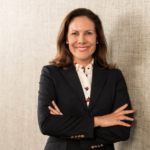
Ashley Campbell is the CEO of Legal Aid of North Carolina (LANC). She began her career at...

Robert Doggett is a native Texan, and unimaginably completed grade school, college and law school within the...

Ronald S. Flagg was appointed President of the Legal Services Corporation effective February 20, 2020, and previously...

Father Pius Pietrzyk, O.P. was first nominated to serve on the Board of Directors of Legal Services...
| Published: | October 14, 2025 |
| Podcast: | Talk Justice, An LSC Podcast |
| Category: | Access to Justice , News & Current Events |
Leaders of nonprofit law firms discuss their disaster response work for major storms and floods in Texas, North Carolina and Louisiana on Talk Justice. The conversation was recorded at a briefing for the U.S. House of Representatives, where these local leaders educated Congressional staff on the importance of providing legal services in the aftermath of natural disasters. Robert Doggett, Executive Director of Texas RioGrande Legal Aid (TRLA), joined to talk about the July floods in central Texas; Ashley Campbell, executive director of Legal Aid of North Carolina (LANC), spoke about the ongoing response to Tropical Storm Helene; and Laura Tuggle, executive director of Southeast Louisiana Legal Services (SLLS), discussed her state’s history of dealing with major storms like Hurricanes Ida and Katrina.
Robert Doggett:
We had a client on who had an RV escaped and the night came and they realized the water was coming. One of their neighbors woke them up and said, you’ve got to go, you’ve got to go. And they left and they went to higher ground In time, came back, the RV was gone. Everything they owned, gone, everything
Announcer:
Equal. Access to Justice is a core American value. In each episode of Talk Justice and An LSC Podcast, we’ll explore ways to expand access to justice and illustrate why it is important to the legal community, business government, and the General Public Talk. Justice is sponsored by the Leaders Council of the Legal Services Corporation.
Ron Flagg:
Hello, I’m Ron Flagg, president of the Legal Services Corporation, and I’m here today setting the stage for the panel discussion that you’re about to hear on Disaster Legal Services. This panel took place at the US House of Representatives last month at an event that was co-hosted by the House Access to Civil Legal Aid Caucus, which is co-chaired by representatives Brian Fitzpatrick and Mary Gay Scanlon, both of Pennsylvania. The representatives were gracious enough to bring LSC to the Hill to educate staffers about the need for legal help as a core component of natural disaster response efforts. The event was called Rebuilding Lives, legal AID’S Role in Disaster Recovery, which I think is quite apt as evidenced by the stories you’re about to hear about real Americans who lost not just their homes, but sometimes also loved ones in these devastating storms and floods. Not only are they left with incredible grief, but they also must navigate the legal hurdles that come with rebuilding their homes. You can imagine how daunting this would be for someone who cannot afford a lawyer, which is why LSC has made natural disaster legal services a priority in the work that we fund across the country. I’ll be handing it over to the Vice Chair of LSCs board. Father Pius Pietrzyk to moderate this enlightening conversation with Ashley Campbell, executive director of the Legal Aid of North Carolina. Laura Tuggle, executive director of Southeast Louisiana Legal Services, and Robert Doggett, executive Director of Texas Rio Grande Legal Aid. Now here is Father Pius Pietrzyk
Father Pius Pietrzyk:
You may be asking yourselves when you’re thinking about disaster and things like hurricanes and tornadoes and floods and all that sort of awful stuff, when the heck does that have to do with legal services? Well, we’re here to tell you why what we do at legal services is an essential disaster recovery and especially relief, and these are the folks who have some extraordinary experience with what we do on that. Laura Tuggle, I know likes to say, when right after a hurricane comes, what you need are boots on the ground, clean things up. They help people who are stuck and to offer to save people. But after the boots are on the ground, you need the suits on the ground. That is you need the folks who can help people recover after a disaster. And so I’m very pleased to have with me free of the grantees of the Legal Services Corporation in various parts of the country for the Legal Services Corporation.
Being a national entity has been able to convene the lot of players in disaster recovery to bring them together with the legal services folks to allow the legal services community and the disaster recovery community to know each other, to work together to help the survivors of disaster recovery. Until recent years, we have normally as legal services been included in disaster funding. We haven’t in some of the most recent emergency fundings for disaster, but we have in addition to our normal appropriation, often receive that. I’m just going to have you very quickly if you could introduce yourselves, where you’re from and your grantee, and in just a very short description of your grantee and where you are in your state and the work that we do, and then we’ll talk a little bit about some of the disaster work each of you has done. So quick introductions first,
Robert Doggett:
My name is Robert Doggett. I’m the Executive director of Texas Rio Grand Legal Aid or TRLA or tr. We’ve been in existence about 50 years. We have about 450 staff scattered across 16 offices from El Paso all the way along the 1600 mile border to Brownsville, including some larger cities, San Antonio and Austin, for example.
Laura Tuggle:
Hi everybody. I’m Laura Tuggle. I’m the executive director at Southeast Louisiana Legal Services. We cover 22 parishes in southeast Louisiana. It’s about a third of the state, but about 50% of the low-income population in the state live in our service area. And if you were looking at the tip of the boot, that’s kind of us. Lots of hurricanes, many, many hurricanes. So who knew that that would be something I’d be learning about Throughout my entire legal career. We’d been around in one form or fashion since 1968.
Ashley Campbell:
My name is Ashley Campbell. I am from Legal Aid of North Carolina. I’m a native North Carolinian, which most people can tell from my accent. I started my career as a legal aid lawyer in our Gastonia office, which is right outside of Charlotte. We have about 10 and a half million people in North Carolina and 2 million of those people are eligible for legal aid services. So as you can imagine, we get a lot of requests for help. Typically, about 330,000 people call Legal aid for North Carolina every year for help with their civil legal problems, and we do provide services in all 100 counties.
Father Pius Pietrzyk:
So let’s talk individually, Robert, you’re here from the area where the Texas Hill country flooding was, so I’m going to get to that in a second, but I want to provide a quick sort of overview to think about legal services and disaster relief. When you think about disaster relief, at least a lot of what I learned in our task force, a lot of people when they think about disaster relief, they think about FEMA giving kits to people after disaster. If that’s the way you think about disaster relief, it’s much, much too narrow and I think it’s wrong. Disaster relief begins before disaster occurs. Disaster recovery occurs because you have good communities and people who are integrated in their communities and know them. One of the great benefits of having as many grantees as we have all over the country is that they’re part of the community with offices in the community.
And so I want them to keep in mind is our grantees for providing helped disaster victims are themselves disaster victims. You’ve got victims helping victims who know their communities, which is I think a benefit for not always being a federal agency located in Washington DC although there are some good people who do that too. And so it begins with the preparation of being a good community member in that. But once the disaster hits, then there is the response. So let’s get back to Texas to remind people this wasn’t that long ago. I think it’s all fresh in our memories, the disaster and the flooding in Texas. Tell us a little bit about the flooding, what happened and the disaster that Texas experienced and all of that.
Robert Doggett:
Yeah. Ever said I or fought in forth and forth. It was a monumental amount of rain that fell in the hill country, 20 inches I believe within a few hours. And it occurred in the middle of the night effectively four, three or four or five in the morning, a wall of water came down to the Guadalupe River. It destroyed so much, starting really back up in El Paso and all the way through to Travis County and Austin impacting many counties. Two or three counties I think included total in the theme and disaster declaration. Ultimately, hundreds of thousands, probably 2 million impacted estimated folks eligible for our services. Low income people estimated close to 300,000 all along those river banks. It was huge. 135 deaths occurred primarily in Kirk County, which is where some of those camps you may have seen on the news, that’s where they were located, but suddenly more were impacted. It was monumental. It was absolutely a total surprise to that community, even if they’ve had frauds there in the past, but nothing like this.
Father Pius Pietrzyk:
So after the floodwaters received a lot of the disaster recovery relief folks have sort of begun to exit then you guys would there now first is this first expansion you guys have had with disaster as legal aid office?
Robert Doggett:
Of course not. Texas is a pretty big state and you can imagine a number of things that have impacted our state over the years. Interiorly has been actively engaged in all of them. Hurricane Harvey, you may remember the winter stern URI, for example, and all those people without power. So many things impact our state from tornadoes, flooding, and loss of power in the winter storm. Those are just some of the examples we’ve been in this field, if you will. As Laura says, something that we weren’t necessarily thinking about when we in law school, but think about all the different things that entire phone when one of these events happens, they’re not ready for it and we have to start being and have been ready for it ever since.
Father Pius Pietrzyk:
So Rob, we’re going to talk a little bit about kind of the first response where I’ll call more the intermediate response following the disaster. So when the boots are there and the suits need to be there, what’s the kind of stuff that TLLA is doing in response to the Texas flooding disaster?
Robert Doggett:
I just want to point out, well, going from Texas, I wear boots and suits
Father Pius Pietrzyk:
Sometimes even stirs. Go ahead. There you go.
Robert Doggett:
But I rock around in tennis shoes around here. What lawyers have to do after disaster, as has been stated, there are so many issues that people aren’t aware of that they need advocacy for. It’s not necessarily going to court, right? If you’ve lost all of your documents, your world, the title to your home, what if it’s a mobile home? Do you have a title to that? Where is your custody papers? Because the person that you shared custody with has now decided to move elsewhere. They just lost their job. How does that custody now work? When am I going to get my check? He’s just lost his job now how am I going to pay my rent? There is so many things that impact somebody, and they didn’t even realize it until they start asking the hard questions. So right after disaster, it’s where am I going to live? What am I going to eat? But then within weeks it starts hitting them. All these other issues start happening and they develop over time. It doesn’t happen right away. Some of them do, but some of the issues start to develop months later, sometimes years later, and it takes a long time to figure ’em all out. I’ll tell you, we still have cases in existence that have been around for several years after a
Father Pius Pietrzyk:
Disaster. And just to give the folks who may not have as much knowledge about at least LSC and LSCs grantees, one of the people who are eligible to come to you as an LSC grantee to seek, and it’s not everybody Shaku who is LSC funds are LC funds directed at or limited to.
Robert Doggett:
They’re low income people ultimately who can afford a lawyer, I’d like to know. But if you think about it, who can least afford to do without an advocate? And it’s going to be those that are making the very limited amount. And that’s for a sooner person. It’s about $18,000 a year. And I believe for a family of four, it’s 39, y’all are going to correct
Ashley Campbell:
It. That’s right. You got it.
Robert Doggett:
Wow. What do you know? It’s hard
Father Pius Pietrzyk:
To live as a family of four with that a much, even in Texas.
Robert Doggett:
Well, I’ve been at this 38 years, so thankfully the amount that they’ve been allowed to make and qualify has gone up over the years. So that’s sometimes why I want to check my math.
Father Pius Pietrzyk:
And we’ve also got some citizenship restrictions on the front. Absolutely, absolutely. So for the most part, everybody, at least with that, this horrible work, it’s going to be American citizens or people were otherwise legally permissible to be here. And just in terms of your office, so you’ve got this disaster that comes, there’s going to be these cases that have come. How do you guys pivot that? How do you do that with your own staff probably suffering from these disasters? How does that work within your own office?
Robert Doggett:
Well, we know it’s going to happen unfortunately. So we prepared for it. We have disaster team and that’s all they do full time because frankly, there’s always something happening or about to happen in cases that they still have to resolve. So it’s not like it stands down. It’s always operational and we have to be ready when things happen. So we’re contributing to the State’s Disaster Response Center, what they need and what they think they’re going to need. And conveniently, we were already ready to go when unfortunately the events on July 3rd and fourth happened, but we are already there. We have essentially staff that have already been designated that full time and then already know who they’re going to be when the word goes out essentially and incur where most of the flooding and the deaths occurred in this last one. We’ve opened up a satellite office to make sure that people know where they can go in person and not have to call a phone number necessarily. I mean, phone’s easy, but it helps to see someone from your community right there that has lived through what everyone else has gone through and they know people in town and they know who the players are and they know the churches, they know where people go that need the help. And that’s the credibility that we bring to the table. And if we don’t have it, we go get it.
Father Pius Pietrzyk:
Now in the past, and this is something to think about too, in the past, especially several years, a lot of the disaster relief from Congress would’ve include some special funds for legal services to assist in disaster recovery. Are you this extra satellite office that you have to open, which is going to cost you a lot of money, diverting some of your lawyers? Is there federal disaster money that’s coming to you guys through legal services that are allowing you to pay for any of that?
Robert Doggett:
Not yet. I’m hopeful. But essentially what you have to do is recognize what your priorities are. And this community has been hurt. And so our job is to do what we can to stop the hurt. So we just go do it.
Father Pius Pietrzyk:
And I just want to conclude with, just to give people some, I mean even a more concrete understanding of what are the kinds of cases that you’re dealing with, if you can think of an example of a client or an issue to just give it real, that real human face about the work that you folks are doing down there in Texas.
Robert Doggett:
Well, I mean I think all of us will talk about it in some way, but I mean, we had a client who had an RV escaped the night came and they realized the water was coming. One of their neighbors woke them up and said, you’ve got to go, you’ve got to go. And they left and they went to higher ground in time, came back, the RV was gone, everything they own, gone everything. They found it down the river some way, and most everything they had was destroyed. So in terms of insurance, they had some insurance, they didn’t have any other papers. They didn’t hear anything about their rv, they didn’t know where to start. All I know is the home they had is gone. And that’s where an advocate can play such a crucial role. We’re able to identify the issues, prioritize them, think about what they do next, and that’s what you do. It’s not filing a lawsuit tomorrow. Right? I mean, that’s kind of what some people think of lawyers we’re not. We analyze problems and try to solve them in most every time. You can do that without going to court.
Father Pius Pietrzyk:
Not as recent, but still recent. I mean, I think we were all struck by the damage so far north all the way up there in the stories of Asheville and all that. So give us a little bit of update. It’s been a year since Helene hit that far. The remnants of Helene hit that far up in the Carolinas. What’s things been like mill last year? What’s been some of the response with your legal services office?
Ashley Campbell:
Sure. So Tropical Storm, Helene hit North Carolina in October of 2024. So we are coming up right on the one year mark. Just to give you a sense of the scale of that storm, and I know you saw it in the news, you may have seen the 60 Minutes episode that really showed folks what people were experiencing. It was a devastating storm to North Carolina. We are familiar with storms. We have storms along our coast every couple of years, but this was truly extraordinary. It had a storm of this size and a level of destruction in our mountains. It was called ultimately a thousand year flood that caused the storm. When you think about what was the level of devastation, a $60 billion of property damage from the storm, 104 people lost their lives. 6,000 miles of roads were destroyed. And if you’ve ever been to the mountains, you’ve been on these windy roads that take you up the mountains.
Oftentimes those are private roads. Those are not roads that are built by the state. And so if they get washed away, it’s the homeowner’s responsibility to rebuild those roads, and most people don’t have money to rebuild those roads. So the type of destruction was really unique to our state and caused a lot of delays really in that initial recovery phase, which is what of course, Robert just shared, that we have finally gotten free that phase of sort of applying for FMA benefits, helping people get back in their homes, helping them resolve the immediate issues that arise after a storm, and now we’re in that second phase.
Father Pius Pietrzyk:
So do you want me, yeah, that’s what I wanted. Do talk about, because a lot of times when we think of this, the initial response, we think about getting the initial disaster recovery money and that sort of thing, but lots of new legal issues arise. A lot of people don’t often think about, but always follow a disaster. Why don’t you talk about a little bit about those and what you’ve dealt with in North Carolina?
Ashley Campbell:
Sure. So folks with experience and disaster believe that it will take 10 years for North Carolina to recover from this storm. So we are in the second year of recovery and we expect that as legal services providers will be there for six years. And as you said, many people say, well, what are the legal issues that come up in a storm? And there are many. So here’s what we’re seeing right now, and I’ll actually tell you the story of a client to help you better understand this. So we had a client who lost his home. It was washed down the mountain and his wife died in that storm. So not only did he lose his spouse, but he lost his entire home. So immediately we helped him apply for FEMA benefits, whatever emergency aid he was eligible for, and then we had to help him apply for his wife’s life insurance benefits.
He was not able to access those and was having a difficult time doing that. So we helped him do that. He had a son, he had a minor son, and he needed those benefits. Then we helped him apply to his insurance company to get insurance money for the home that he lost. Once he was able to get the insurance money, then we helped him work with the mortgage company to use the money he had gotten from the insurance company, pay as much as he could on his mortgage, and then turn over the property to the mortgage company without having a foreclosure, because foreclosure of course would’ve ruined his credit and made life really difficult for him and his son. He wanted to move away from the site of this tragedy. So for him, turning the property over to the mortgage lender was a good result, but we were able to get the lender to take that insurance money, take the land back, satisfy the loan, and he was able to move on.
And then finally we were able to do a new will for him so that he and his son would have security. He had not had a will with his wife. So those are the kinds of different legal issues that came up for that particular person. And of course, they’re different for everyone. One of the things that’s happening, and this may ring a bell with some of you who are working in these offices, is that Congress of course allocated community block grant disaster funds to North Carolina, those CDBG funds. And so now it’s time for us to begin a rebuild process, and law is going to talk about that because they’ve been through it. So we’re just now getting that CDBG money out to North Carolinians so that they can get their homes rebuilt and we help them through that process. All types of issues come up during that process. So I’ll give you an example of one.
Laura Tuggle:
Yeah,
Ashley Campbell:
And this is called heir property, not a IR, but HEIR heir property. So sometimes people live in a home, they pay their taxes, they think that they own the home outright, maybe they lived there, maybe their grandma had it before them, and then after their grandma died, they moved in and then a disaster strikes and they realize, oh my goodness, I actually owned this property with my six cousins because we all inherited it from our grandmother, but nobody really knew that. And this is a very common problem, and it comes up a lot after disasters because then you might need to find all your six cousins to access your benefits. So we have to help homeowners resolve those problems. And there’re really complex legal problems that only a lawyer can help resolve. So that’s just another example of the type of legal issue that we may handle right now. And really where a lawyer is critical.
Father Pius Pietrzyk:
Yeah, the air property issues often associated with the African American community, but was well beyond that. We run into problems with that in the Vietnamese communities in the Gulf Coast area, all time folks in the hills of Eastern Kentucky. I mean, the idea that somebody has, this is Bob’s house. It’s been Bob’s house for 20 years, but in fact, the title from the county doesn’t say that it says something else and all the documents to prove that and all the witnesses to prove that are gone. And you need that to be able to get some of the benefit money to rebuild. So you often need a lawyer to get all of that rebuilding going. And it’s a great example of how essential attorneys are and all that. So Helene was now then a year ago to how have things changed from right after the hurricane in terms of the clients you’re dealing with and some of the things that you’re dealing with now are kind of year out and maybe if you can think about what you’re expecting that might look like in a couple of years time.
Ashley Campbell:
So what you’re seeing is displacement of folks, and there’s not a lot of housing in Western North Carolina. And so folks didn’t have anywhere to go when their homes were destroyed after the storm. And so folks maybe moved away. And what we tried to do was to educate people early that these CDBG funds would be available and that if they were eligible, they would be able to rebuild. So now we’re in the process of really trying to educate people who can access these benefits, these really important benefits that have been allocated by Congress to rebuild their homes because that’s obviously going to be good for that individual family, but also for that entire community. We want homes to be rebuilt. We want North Carolina to be strong after the storm, and so we need to see these homes rebuilt. So that is a major priority right now is trying to educate folks and get them enrolled in this program.
Father Pius Pietrzyk:
I think something, what people don’t think about too is we give these people these funds to help them rebuild because if we don’t, what happens is even worse. So our people who aren’t able to have a house, people who are without a home foreign to much, much deeper social problems, homelessness has all sorts of problems that go along with it. So unless you’re helping people to rebuild it and get into a home, and then eventually the community is going to have to pay for them somehow as they fall into all sorts of other problems. A statistic I didn’t tell before, but it’s important to realize we’ve done some research on this and these nationwide, on its average, a dollar spent on legal services is $7 in benefit. And a lot of it is preventing some of the worst situations that could happen if people don’t get access to a o. And I think some of the disaster recovery work that our grantees do is just a prime example of that. We didn’t talk about this before, but I’m just going to throw this at you anyway. Have you been involved in a disaster recovery community before this happened? And how has your relations with the disaster recovery community been both before and especially since Helaine has hit?
Ashley Campbell:
Yes. And I’m going to brag on our now.
Father Pius Pietrzyk:
Your staff does great brag.
Ashley Campbell:
I am, and I’m going to tell you how great our disaster response program is. So I mean, I can do that because they did the work. But yes, we had a fantastic disaster response team. They had been responding to disasters in North Carolina for over a decade. They were critical in our recovery from both Matthew and Florence as well as other storms. And Florence was a huge storm. That storm was half the size of Helene. But through that work, they’d really become experts in disaster response. And in fact, one of the leader of that program was asked to testify before the North Carolina General Assembly to help educate our lawmakers about best practices and disaster response, and particularly in the rebuild process because that’s where so many dollars go and legislators and leaders want to make sure these dollars are used wisely. So it’s really a terrific team. They’re experts at the legal issues, but also I would say almost the sort of how to actually execute a good recovery. I think they’re really great at that as well. So I’m definitely bragging they’ve helped thousands of North Carolinians recover from storms.
Father Pius Pietrzyk:
Yeah, we’ve learned a lot in the last decade or so about good community work to rebuild. One last thing, I meant to ask this earlier, but I’ll do now. One of the things that we realized is when you had disaster occurs, there’s quite a number of deaths, but even without deaths, there’s massive family disruption and oftentimes children who have to be taken care of. Can you talk a little bit about that sort of legal work in terms of emergency child custody, visitation, medical issues that arise where a lawyer needs to get involved?
Ashley Campbell:
There are major disruptions to families right after the storm. So after Helene, it took 50 days for potable water to come back to houses at over thousand schools were damaged in the storm. So just the disruption to education and to the ability to live in your home, add to that family dynamics and potentially domestic violence issues, which we actually saw more than I expected. I was at a Red Cross shelter where we were just available for anyone who needed help. We were helping a lot of people get documents because they had all been washed away and we had a lot more domestic violence folks come to us than I realized you were saying, I need to be in a safe place and I need my child not to be in a safe place. So that’s one example where we can help somebody get legal assistance right away and get a child custody order in place.
But you’re right, the displacement, and I think Robert mentioned this as well, a family’s causes can cause RI ready can cause you to have to modify a child custody schedule, can cause you to have to put a child in a different school and you need a lawyer to help you navigate that. And particularly I think you mentioned this, if you’ve lost all your custody paperwork, you’ve got to go back to that original courthouse and get it in North Carolina. A lot of the courthouses were closed right after the storm for several weeks. So major disruptions to families, particularly those who are already struggling.
Father Pius Pietrzyk:
Thankfully, a lot of our grantees have massive experience with family law issues, but the number of them and the circumstance of them often become quite a bit more tragic. We had a wonderful presentation, I think at our 50th anniversary about the work that LSC grantees do with protecting violence against women and domestic violence. And we do realize that in a disaster situation that almost invariably raises. And so it’s the demand for our services is not just in responding to disaster, but some of the displacement, some of the family issues that our people normally handle also increases as well. So there’s often a huge demand on the work that legal services does right after disaster, not just disaster related, but all the ancillary effects that happened with it.
Ashley Campbell:
One other thing I’ll add, I was surprised about this honestly. So in North Carolina, our law says that if you are a tenant, even if you had a lease, and so an impacted area was boom, which is where Appalachian State University is located. If you have a lease and the property is damaged, you have to continue to pay your rent. So what are you supposed to do? So we stepped into a lot of those situations to help negotiate with the landlord, understanding the landlord also had a damaged property. These are two victims. How do we help them both navigate through this? But that’s another area that I think we’ve not talked about tenants.
Father Pius Pietrzyk:
Yeah, I have to say it is one of the things I’ve learned about our grantees and landlord tenant law. It’s not always us versus them. The best way to approach landlord tenant is how we can work together to provide a solution that’s in everybody’s best interest. So let’s turn to Louisiana. I was elic East, Francine, Ida, Katrina, all of the letters of the alphabet. But the one that I think is for those of us who are old enough, the ones that are long in our memories, Katrina and the horrible, horrible damage from Katrina. So with Laura, I want to talk a little bit more about some of the long-term work that happens. We’ve got the immediate disaster recovery in terms of getting some evidence, either state or federal, some of the issues that come after that, fraud, insurance issues, all sorts of things. But even you’ve got clients that are still dealing with issues 10 years out or so. But for further we get to that. Let’s talk about your own experience in Louisiana with some of these disasters and talk about the way in which they’ve hit your community down there.
Laura Tuggle:
Well, I can go through some of the litany of the hurricanes. We’re mostly dealing with hurricanes down in Louisiana and flooding related to hurricane. We have some other types of disasters here and there, but those are the main ones. And over the last 20 years since Hurricane Katrina, which we just celebrated, not celebrated, commemorated. The 20th anniversary was August 29th, 2005. And we had another very disastrous hurricane, hurricane Ida, which hardly anybody may have heard of because there’s so many now it’s sort of a blip, but it’s the seventh most costly disaster, sadly the exact same day as Hurricane Katrina. So August 29th is a really bad day, Louann, we’re just praying always to get through August 29th. So we’re feeling pretty good right now because it’s September 11th. Unfortunately, today is the first anniversary of Hurricane Francine. So there’s a number of things that have been happening. We will have major disruption for flooding in Hurricane Ida, which was a little over four years ago now, the levies held.
But we had all kinds of other disruptions to our community, if you can believe it. The towers for electricity. Some of the main transformers fell into the Mississippi River. So there was no power for potentially three weeks. People kind of freaked out and they got it cut down to two weeks. We had a lot of communities that had 150 miles per hour wind. So it was in Hurricane Ida and it was the second most damaging storm in Louisiana history, but the seventh most damaging in United States history. And so we ended up losing power. And a lot of our seniors, we had a lot of seniors in private housing, but also in low income elderly housing complexes where there was no generators and there was no electricity. And we had many seniors die from the heat. Folks ended up getting evacuated after the storm quite a bit because they just simply couldn’t stay in those kind of conditions.
So we had a lot of impacts. We covered 22 parishes in southeast Louisiana and hurricane impacted 23 parishes. So every single one of our parishes, that’s what we call counties in Louisiana, were impacted by the storm. So it was every single office, many, many of our staff were impacted whenever a disaster strike, many folks call it for FEMA assistance, which you’ve heard about, to try to give them some measure of recovery. FEMAs never enough for full recovery. I think that’s kind of a myth out there. But we had 816,000 FEMA applications, which is 20% of the state’s population. So it was a really big one and certainly the biggest we dealt with since Hurricane Katrina.
Father Pius Pietrzyk:
So let’s focus on IDA because it’s long enough ago that you’ve got some long-term effects of that, but not so long ago, but there’s only a few left. So in terms of ida, you’ve got probably some of the same initial clients that we heard from you at the more recent disasters. Now talk about the clients that you kind of still have left over for ida. What are the kinds of things that you’re dealing with in terms of clients now, four years after IDA
Laura Tuggle:
We’re definitely in a five to 10 year recovery period from Hurricane Ida. It was a really big significant disaster. I was looking at our most recent report that we submitted for one of our disaster grants, and at June 30th or 2025, we had 738 cases to open. Altogether. We’ve had 6,372 and we track the economic benefit of our work, the difference our work makes in dollars and cents. I think for human impact, very difficult to measure that. But from that work, which could be helping access FEMA benefits, helping access your own insurance proceeds, helping to be approved for one of these long-term disaster rebuilding grants, it was so far over close to $47 million. So we are definitely tracking that work and being able to make a huge difference in the lives of the people we serve. And here we are a little over four years later and our main issues that we are dealing with, which are directly related to the hurricane, still doing tons of air property work.
I wish she could see this video, but Ms. Aggie over there, she’s from Thibodaux, which is in Lafourche Parish, one of the really low lying parishes. And she was living in her great grandmother’s home, but everybody knew it was Aggie’s home except when it was time to prove it was Aggie’s home you could adopt. And we were dealing with multiple generations, lots of heirs, lots of missing heirs, and she was trying to replace her housing. And we ended up, one of our attorneys went down there and ended up, I think there were 16 or 17 heirs. We never get those cases where it’s six,
Ashley Campbell:
Actually
Laura Tuggle:
An eight day, like six. We had one case one time with like 200, but that’s, so you’re dealing with lots of different issues. And she happened to live on family land that she didn’t own. She was an heir. And then she had her home also. And so we ended up helping her get out of, she was in a FEMA trailer for three years
After Hurricane Ida. And then we helped her get into new manufactured housing. So that was actually we good outcome from her. And she’s able to still be in her community. She has very deep roots. And one thing I learned after Katrina is that the New Orleans area has the lowest amount of people in the United States who leave and move away. And it makes these air property issues extremely difficult to resolve because you’re often dealing with multiple generations and informally past situations. And so this is a huge issue for us. We started really doing this work after Katrina and kind of never stopped doing that.
Father Pius Pietrzyk:
That was good. I’m just
Laura Tuggle:
Also a lot of other
Father Pius Pietrzyk:
Issues, very unconscious of the time. One thing I just very briefly, very, very briefly is one of the other sort of long-term issues or deal with is you apply to your insurance company because you have a rightful claim and sometimes surprise you. Sometimes the insurance companies say no, and you’ve got a cognizable illegal claim and you write to FEMA and you say, I need disaster. Once in a while, FEMA will say no. And so some of the issues that you’re dealing with long-term are these appeals, right? You’ve done all the paperwork, you put everything together and then you get a response that you don’t expect. And so this is some of those sort of longer or intermediate term cases that you’re dealing with. And sometimes you help people and for whatever reason, because of all the issues that go on, their debts are just too much. And so sometimes you’re dealing with bankruptcies for people and that the disasters are direct cause or at least one of the direct causes of the bankruptcy that you’re dealing with.
Laura Tuggle:
And it’s very common that you heard Ashley talk about it, the interrelated issues. Like somebody comes to see you for one thing and then you get through that legal problem. I’ll tell you about a client we had. I’m pretty sure it was Plaquemine Parish, but don’t quote me on that. And Plaquemine Parish is almost in the Gulf of Mexico and we had an elderly gentleman, we deal with a lot of seniors after disaster, especially the air property work in rural communities. And this particular gentleman, his first issue that we were hopping him with was trying to be approved for FEMA assistance and the FEMA assistance that we had been in conversations with the state. We talked to the state a lot and they were expecting some long-term disaster recovery funds. And we have a program called Restore Louisiana, which is that long-term recovery program. And they’ve kind of been following a similar model with that.
And we knew that they were going to have a threshold amount where they were going to say, you have to have received a certain amount of FEMA funds before you’ll be eligible and you have to get the impact of a disaster and you have to be the owner, all of that. And so this gentleman, he was a senior and he was trying to do the FEMA appeal on his own. And it’s really easy to tell people no when you never see them. And that’s what a FEMA appeal is. It’s writing stuff on a piece of paper. You send it off into the wild blue yonder and you don’t know what happens with it. So we ended up helping this gentleman be approved for enough FEMA assistance, but it was only like $8,000. So that is definitely not enough to rebuild anybody home, but that’s what he ended up qualifying for.
And originally it was going to be like 3000, which wouldn’t have been enough to qualifying for him for the longer term rebuilding. So we helped him with that issue and then there ended up being an air property issue. Theme has gotten a little bit easier, a little easier to deal with on air property issues for their assistance. But the community development block grant fund, you still have to have successions is what we call it. Everybody else called the probate air property. So then we had to help him do that in order to get the Restore Louisiana grant so that he could rebuild his home. Well, as soon as some money started flowing, then he had a contractor front dispute. Then we finally got that resolved and then was trying to finish out, they have this out of order, but at some point there was also an issue where he couldn’t get a permanent issued and was having to do some additional steps and we had to go to a zoning variance. So just imagine you’re like 70-year-old disaster survivor who’s just been kind of worked out and you were trying to go through all of this on your own. It’s very, very difficult. But sadly, these kind of multiple layers of legal issues that kind of mesh the way that the disaster issues come up, it’s pretty common.
Ron Flagg:
Ron Flagg here again to wrap up this episode, our congressional briefing ended with a moving video featuring several powerful stories from disaster survivors. If you like to see the video, you can find [email protected] back slash disaster. Thanks for tuning in to Talk Justice. And until next time, stay well.
Announcer:
Podcast guest speakers views, thoughts and opinions are solely their own and do not necessarily represent the legal services corporation’s views, thoughts, or opinions. The information and guidance discussed in this podcast are provided for informational purposes only, and should not be construed as legal advice. You should not make decision based on this podcast content without seeking legal or other professional advice.
Notify me when there’s a new episode!
|
|
Talk Justice, An LSC Podcast |
Join us as we explore innovative ways to expand access to justice, bringing together legal experts, technologists, business leaders, community organizers and government officials for thoughtful conversations about ending the access-to-justice crisis.